Samsung Galaxy Z Flip4 vs. Xiaomi Redmi Note 12 Pro 4G: A Deep Dive
The foldable smartphone market is maturing, with devices like the Samsung Galaxy Z Flip4 offering a unique blend of style and functionality. But how does it stack up against a more traditional powerhouse like the Xiaomi Redmi Note 12 Pro 4G? Let's dissect the specifications and uncover the real-world implications for users.
1. Specifications Breakdown
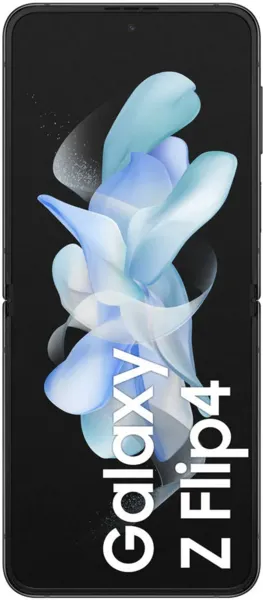
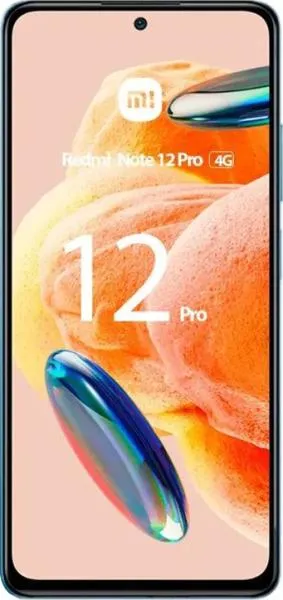
| Feature | Samsung Galaxy Z Flip4 | Xiaomi Redmi Note 12 Pro 4G | Real-World Implications |
|---|---|---|---|
| Design | |||
| Dimensions (mm) | 165.2 x 71.9 x 6.9 (folded) | 164.2 x 76.1 x 8.1 | Flip4 significantly more compact when folded; Note 12 Pro thinner when unfolded. |
| Weight (g) | 187 | 201.8 | Flip4 noticeably lighter for pocket carry. |
| Foldable | Yes | No | Flip4 offers unique portability and form factor. |
| Display | |||
| Size (inches) | 6.7 | 6.67 | Nearly identical screen real estate. |
| Resolution (px) | 1080 x 2640 | 1080 x 2400 | Flip4 slightly sharper due to higher pixel density (426 ppi vs 395 ppi), but difference is negligible. |
| Refresh Rate (Hz) | 120 | 120 | Both offer smooth scrolling and animations. |
| Panel Type | Foldable Dynamic AMOLED 2X | AMOLED | Flip4's foldable display technology allows for the unique folding mechanism, potentially offering better contrast and colors. |
| Performance | |||
| Chipset | Snapdragon 8+ Gen 1 | Snapdragon 732G | Flip4 vastly more powerful, enabling demanding gaming and multitasking. |
| CPU | Octa-core (up to 3.19 GHz) | Octa-core (up to 2.3 GHz) | Flip4 significantly faster for everyday tasks and heavy applications. |
| RAM (GB) | 8 | 8/6 | Both offer ample RAM for smooth performance in most scenarios. Note 12 Pro offers a 6GB variant for budget conscious users. |
| Camera | |||
| Main Camera (MP) | 12 MP | 108 MP | Note 12 Pro boasts higher resolution, potentially capturing more detail. Flip4 likely utilizes superior image processing due to flagship chipset. |
| Video | Up to 4K@60fps | Up to 4K@30fps | Flip4 capable of higher resolution and frame rate video recording. |
| Battery Life | |||
| Capacity (mAh) | 3700 | 5000 | Note 12 Pro has significantly larger battery, likely translating to longer usage time. |
| Fast Charging | 25W | 67W | Note 12 Pro charges significantly faster. |
2. Key Insights
The Galaxy Z Flip4 shines in its portability and premium performance. The foldable design is a conversation starter and genuinely useful for pocketability. The Snapdragon 8+ Gen 1 ensures a blazing-fast experience, handling anything you throw at it with ease. While the camera resolution is lower than the Note 12 Pro, Samsung's image processing prowess likely compensates.
The Redmi Note 12 Pro 4G excels in battery life and value. Its massive 5000mAh battery and faster 67W charging will appeal to heavy users. The 108MP camera sensor holds potential for detailed photos, although real-world performance depends on factors beyond resolution. It's crucial to remember that the Snapdragon 732G is a mid-range chip, offering respectable performance but not matching the Flip4's raw power.
3. User Profiles and Recommendations
Flip4: Ideal for trendsetters, content creators, and users who prioritize portability and top-tier performance. The unique form factor and powerful hardware justify the premium price for those who value these aspects.
Note 12 Pro 4G: Best suited for budget-conscious users, students, and anyone prioritizing long battery life. It's a solid all-around device for everyday tasks, media consumption, and casual gaming.
4. Buying Decision Framework
- Is a foldable design a priority? If yes, the Flip4 is the clear choice.
- What's your budget? The Note 12 Pro 4G offers excellent value for its price.
- What are your most important use cases? Demanding gaming and multitasking favor the Flip4, while all-day battery life points to the Note 12 Pro 4G.
My Choice: The Samsung Galaxy Z Flip4
While the Redmi Note 12 Pro 4G offers impressive specs for its price, I would choose the Galaxy Z Flip4. The foldable design genuinely intrigues me. As someone who values both portability and performance, the compact form factor combined with the Snapdragon 8+ Gen 1 is a compelling combination. While battery life might be a slight concern, I'm willing to make that trade-off for the unique experience and sheer power offered by the Flip4. The innovative design and flagship-level performance align more closely with my personal preferences and how I use a smartphone.
