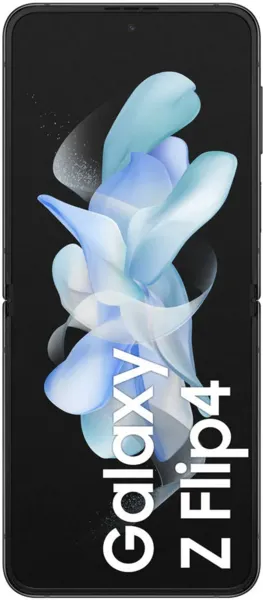
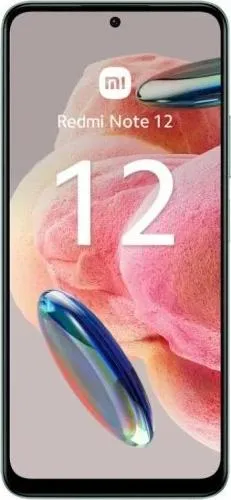
Samsung Galaxy Z Flip4 vs. Xiaomi Redmi Note 12 4G: A Detailed Comparison
The Samsung Galaxy Z Flip4 and the Xiaomi Redmi Note 12 4G represent two distinct approaches to the modern smartphone. One prioritizes innovation and portability with its foldable design, while the other focuses on delivering solid performance and a long-lasting battery at an affordable price. Let's dissect their specifications and uncover which device best suits your needs.
1. Specifications Breakdown
| Feature | Samsung Galaxy Z Flip4 | Xiaomi Redmi Note 12 4G | Real-World Implications |
|---|---|---|---|
| Design | |||
| Form Factor | Foldable | Standard Slab | Flip4 offers unique portability; Note 12 is more conventional |
| Dimensions (mm) | 165.2 x 71.9 x 6.9 | 165.7 x 76 x 7.9 | Flip4 is significantly more compact when folded |
| Weight (g) | 187 | 183.5 | Negligible weight difference |
| Display | |||
| Size (inches) | 6.7 | 6.67 | Nearly identical screen real estate |
| Resolution (px) | 1080 x 2640 | 1080 x 2400 | Flip4 has a slightly taller aspect ratio |
| Refresh Rate (Hz) | 120 | 120 | Both offer smooth scrolling and animations |
| Display Type | Foldable Dynamic AMOLED 2X | AMOLED E2 Pro | Flip4's foldable display is a key differentiator |
| Performance | |||
| Chipset | Snapdragon 8+ Gen 1 | Snapdragon 685 | Flip4 offers significantly faster processing |
| CPU | Octa-core (up to 3.19 GHz) | Octa-core (up to 2.8 GHz) | Flip4 handles demanding tasks with greater ease |
| GPU | Adreno 730 | Adreno 610 | Flip4 provides a superior gaming and graphics experience |
| RAM (GB) | 8 | 4/6/8 | More RAM on Flip4 enables smoother multitasking |
| Camera | |||
| Main Camera (MP) | 12.2 | 50 | Note 12 boasts higher megapixel count, but image quality depends on more than just resolution. |
| Ultrawide (MP) | 13 | 8 | Flip4's ultrawide likely offers wider field of view. |
| Selfie Camera (MP) | 10 | 13 | Note 12 has a higher resolution selfie camera. |
| Battery Life | |||
| Capacity (mAh) | 3700 | 5000 | Note 12 has a significantly larger battery |
| Charging | 25W Fast Charging | 33W Fast Charging | Note 12 charges faster |
2. Key Insights
- Performance: The Snapdragon 8+ Gen 1 in the Flip4 vastly outperforms the Snapdragon 685 in the Note 12. This translates to a smoother user experience, faster app loading, and superior gaming capabilities on the Flip4.
- Display: While both phones offer 120Hz AMOLED displays, the Flip4's foldable Dynamic AMOLED 2X panel likely provides better color accuracy, brightness, and overall visual quality. The novelty of the folding screen also adds to the user experience.
- Camera: Megapixel count isn't everything. While the Note 12 has a 50MP main sensor, the Flip4 likely benefits from superior image processing and a flagship-grade sensor, potentially resulting in better overall image quality, particularly in low light.
- Battery Life: The Note 12's 5000mAh battery will undoubtedly offer longer usage time compared to the Flip4's 3700mAh battery. This is a significant trade-off for the Flip4's compact, foldable design.
3. User Profiles and Recommendations
- Flip4: Ideal for users who prioritize portability, innovation, and a premium user experience. Best suited for those willing to sacrifice some battery life for a compact, pocketable device with top-tier performance.
- Note 12: A great choice for budget-conscious users who value long battery life and reliable performance for everyday tasks. Suitable for those who prioritize practicality and affordability over cutting-edge features.
4. Buying Decision Framework
- What is your budget? The Flip4 is significantly more expensive than the Note 12.
- Is portability a top priority? The Flip4's foldable design offers unmatched compactness.
- How important is raw performance and camera quality? The Flip4 excels in these areas.
My Choice: As a tech journalist who values innovation and a premium user experience, I would choose the Samsung Galaxy Z Flip4. While the battery life is a concern, I'm willing to compromise for the unique form factor, flagship performance, and superior camera system. The foldable design aligns with my appreciation for cutting-edge technology and the convenience it offers. The ability to easily slip the phone into a small pocket or bag outweighs the need for a larger battery in my daily usage. However, I would strongly recommend a portable charger to supplement the Flip4's battery life.
