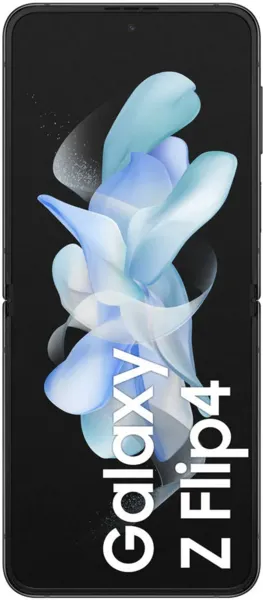
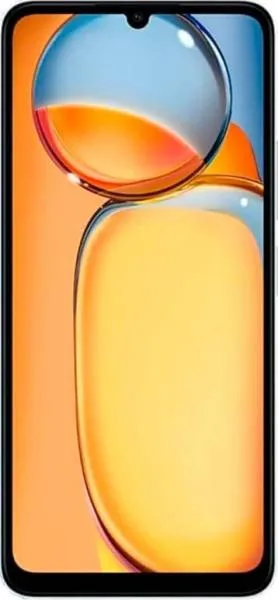
Let's dive into a comparative analysis of the Samsung Galaxy Z Flip4 and the Xiaomi Redmi 13C, two phones occupying distinct segments of the market. We'll dissect their specs, translate them into real-world experiences, and help you determine which device best aligns with your needs.
1. Specifications Breakdown
| Feature | Samsung Galaxy Z Flip4 | Xiaomi Redmi 13C | Real-World Implications |
|---|---|---|---|
| Design | |||
| Dimensions | 165.2 x 71.9 x 6.9 mm (unfolded) | 168.8 x 76.4 x 8.1 mm | Z Flip4 significantly more compact when folded; Redmi 13C traditional candybar design. |
| Weight | 187g | 192g | Z Flip4 slightly lighter, but both are generally comfortable to hold. |
| Foldable | Yes | No | Z Flip4 offers unique portability and a stylish form factor; Redmi 13C prioritizes affordability and simplicity. |
| Display | |||
| Size | 6.7" | 6.74" | Nearly identical screen real estate for media consumption. |
| Resolution | 1080 x 2640 | 720 x 1600 | Z Flip4 boasts much sharper visuals due to higher pixel density (426 ppi vs 260 ppi). |
| Panel Type | Foldable Dynamic AMOLED 2X | IPS LCD | Z Flip4 delivers vibrant colors, deeper blacks, and superior contrast; Redmi 13C offers decent color accuracy. |
| Refresh Rate | 120Hz | 90Hz | Z Flip4 provides smoother scrolling and animations, enhancing responsiveness. |
| Performance | |||
| Chipset | Snapdragon 8+ Gen 1 | Helio G85 | Z Flip4 significantly more powerful, enabling demanding gaming and multitasking; Redmi 13C suitable for basic tasks. |
| RAM | 8GB | 4GB/6GB/8GB | Z Flip4's larger RAM ensures seamless app switching and performance; Redmi 13C's RAM adequate for casual use. |
| Camera | |||
| Main Camera | 12MP | 50MP | Redmi 13C has higher resolution, but Z Flip4 generally expected to deliver superior image quality due to advanced sensor and processing. |
| Video | Up to 4K@60fps | Up to 1080p@30fps | Z Flip4 captures higher resolution and smoother video. |
| Battery Life | |||
| Capacity | 3700mAh | 5000mAh | Redmi 13C offers significantly longer battery life; Z Flip4's foldable design constraints battery size. |
| Charging | 25W wired, 15W wireless | 18W wired | Z Flip4 supports faster wired and wireless charging. |
2. Key Insights
- Performance Powerhouse: The Z Flip4's Snapdragon 8+ Gen 1 chip provides a flagship-level experience, handling demanding tasks with ease. The Redmi 13C's Helio G85 is geared towards essential functions and lighter gaming.
- Visual Feast: The Z Flip4's vibrant AMOLED display with a 120Hz refresh rate is a clear winner in visual quality and responsiveness. The Redmi 13C's IPS LCD is functional but lacks the Z Flip4's punch and smoothness.
- Portability vs. Endurance: The Z Flip4's compact foldable design makes it incredibly pocketable, while the Redmi 13C prioritizes battery longevity with its larger 5000mAh battery.
- Camera Prowess: While the Redmi 13C boasts a 50MP main sensor, the Z Flip4 is likely to produce superior images overall due to its advanced image processing and sensor technology.
3. User Profiles and Recommendations
- Z Flip4: Ideal for users who value style, portability, and top-tier performance. It's a great choice for those who want a compact phone that doesn't compromise on power and are willing to pay a premium for the foldable form factor.
- Redmi 13C: Best suited for budget-conscious users who prioritize battery life and reliable performance for everyday tasks. Students, casual users, and those seeking a long-lasting device will find this appealing.
4. Buying Decision Framework
- What's your budget? The Z Flip4 is a premium device, while the Redmi 13C is significantly more affordable.
- Do you prioritize portability or battery life? The Z Flip4 offers unparalleled portability, but the Redmi 13C provides much longer battery endurance.
- What level of performance do you need? The Z Flip4 excels in demanding tasks, while the Redmi 13C is sufficient for everyday use.
My Choice: As a tech journalist who appreciates cutting-edge technology and values portability, I would choose the Samsung Galaxy Z Flip4. The foldable form factor is a game-changer for pocket convenience, and the powerful Snapdragon chip ensures a smooth and responsive experience. While the battery life is a trade-off, the overall user experience, performance capabilities, and unique design outweigh that for my personal needs. The superior display is also a crucial factor for someone who consumes a lot of media on their phone. While the Redmi 13C is an excellent value proposition for its price, the Z Flip4's innovative design and flagship performance better align with my preferences and usage patterns.
