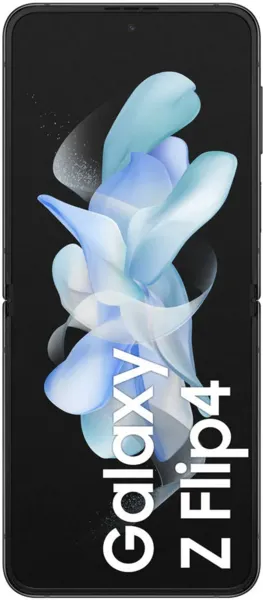
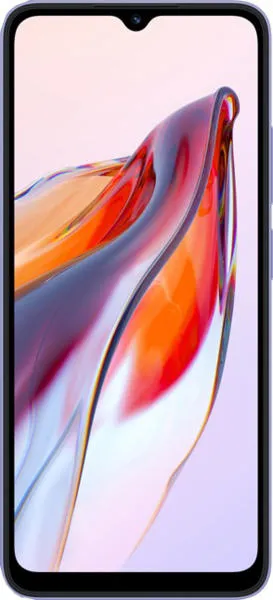
Let's dive into a comparative analysis of the Samsung Galaxy Z Flip4 and the Xiaomi Redmi 12C, two phones occupying distinct segments of the market.
1. Specifications Breakdown
| Feature | Samsung Galaxy Z Flip4 | Xiaomi Redmi 12C | Real-World Implications |
|---|---|---|---|
| Design | |||
| Form Factor | Foldable | Standard | Flip4 offers unique portability and a compact feel when closed. 12C is a traditional slab phone. |
| Dimensions (mm) | 165.2 x 71.9 x 6.9 | 168.8 x 76.4 x 8.8 | Flip4 is significantly more pocketable due to its folding design, despite being slightly taller. |
| Weight (g) | 187 | 192 | Negligible weight difference in practical use. |
| Display | |||
| Size (inches) | 6.7 | 6.71 | Nearly identical screen real estate. |
| Resolution (px) | 1080 x 2640 | 720 x 1650 | Flip4 boasts a much sharper, more detailed display. 12C's resolution is noticeably lower. |
| Display Type | Foldable Dynamic AMOLED 2X | IPS LCD | Flip4 delivers vibrant colors, deeper blacks, and higher brightness. 12C's display is more basic. |
| Refresh Rate (Hz) | 120 | - | Flip4 provides smoother scrolling and animations. Data unavailable for the 12C. |
| Performance | |||
| Chipset | Snapdragon 8+ Gen 1 | Helio G85 | Flip4 offers flagship-level performance, enabling demanding tasks and gaming. 12C targets basic use. |
| CPU | Octa-core (up to 3.19 GHz) | Octa-core (up to 2.0 GHz) | Flip4 significantly outperforms the 12C in processing power. |
| RAM (GB) | 8 | 3/4/6 | Flip4's 8GB RAM ensures smooth multitasking. 12C offers various RAM options but starts lower. |
| Camera | |||
| Rear Camera | 12MP (wide) + 12MP (ultrawide) | 50MP (wide) + 0.08 (depth) | Flip4 likely offers better overall image quality despite lower megapixel count on the main sensor. 12C's secondary camera is a basic depth sensor, whereas the Flip4 has an ultrawide. |
| Selfie Camera | 10MP | 5MP | Flip4's selfie camera is likely superior in resolution and detail. |
| Battery Life | |||
| Capacity (mAh) | 3700 | 5000 | 12C has a significantly larger battery capacity, potentially lasting longer on a single charge. |
| Charging | 25W Fast Charging | 10W Fast Charging | Flip4 charges faster, minimizing downtime. |
| Other | |||
| Price Range | Medium | Low | Flip4 is a premium device; 12C is a budget-friendly option. |
| Foldable | Yes | No | The Flip4's defining feature is its foldable design. |
2. Key Insights
The Samsung Galaxy Z Flip4 is a premium foldable smartphone prioritizing portability, performance, and a high-quality display. Its compact folded size is a unique selling point. The Xiaomi Redmi 12C, on the other hand, is a budget-oriented device focusing on affordability and long battery life.
Flip4 Advantages: Significantly faster performance, sharper display, superior camera system (likely), faster charging, foldable design. 12C Advantages: Larger battery capacity, lower price point.
3. User Profiles and Recommendations
Flip4: Ideal for users who value portability, cutting-edge technology, a premium experience, and are willing to pay for it. Suitable for power users, content creators, and those seeking a stylish, compact device.
12C: Best suited for budget-conscious users who prioritize battery life and basic functionality. Suitable for casual users, students, and those seeking a simple, affordable phone for communication and light tasks.
4. Buying Decision Framework
- What is your budget? If price is a primary concern, the Redmi 12C is the clear choice.
- What is your priority: Performance or Battery Life? The Flip4 excels in performance, while the 12C offers longer battery life.
- Do you value portability and a unique design? The Flip4's foldable form factor is a major differentiator.
My Choice
If I were choosing between these two phones, I would select the Samsung Galaxy Z Flip4. While the price difference is significant, the Flip4 offers a vastly superior user experience in almost every aspect. The foldable design aligns with my appreciation for innovative technology and portability. As someone who values a smooth, responsive interface, a high-quality display, and strong performance for multitasking and content creation, the Flip4's Snapdragon 8+ Gen 1 processor and vibrant AMOLED screen are compelling. The faster charging speeds also fit my on-the-go lifestyle. While the Redmi 12C's battery life is tempting, I'm willing to prioritize performance and portability for a device that better integrates with my workflow and personal preferences. I also appreciate the potential for future software updates provided by Samsung which is a significant consideration for long term use. Finally, the superior camera system on the Flip4 is essential for capturing high-quality photos and videos.
