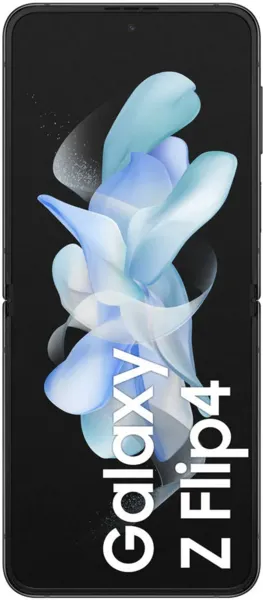
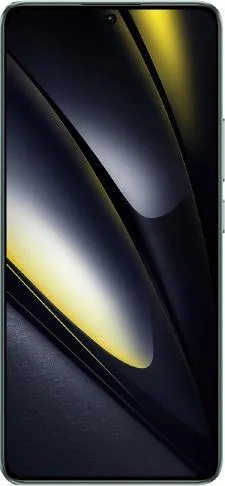
Samsung Galaxy Z Flip4 vs. Xiaomi Poco F6: A Deep Dive
The foldable frenzy continues with Samsung's Galaxy Z Flip4, a compact powerhouse that bends the rules of smartphone design. But does its novelty outweigh the raw power and value proposition of the Xiaomi Poco F6, a traditional slab phone with impressive specs? Let's dissect these devices, translating their technical intricacies into practical, everyday experiences.
1. Specifications Breakdown
| Feature | Samsung Galaxy Z Flip4 | Xiaomi Poco F6 | Real-World Implications |
|---|---|---|---|
| Design | |||
| Form Factor | Foldable | Slab | Portability vs. Screen Real Estate |
| Dimensions (mm) | 165.2 x 71.9 x 6.9 (folded) | 160.5 x 74.5 x 8 | Pocket-friendly vs. Larger Display |
| Weight (g) | 187 | 179 | Noticeable difference in hand |
| Display | |||
| Size (inches) | 6.7 | 6.67 | Comparable screen real estate when unfolded |
| Resolution (px) | 1080 x 2640 | 1220 x 2712 | Poco F6 boasts sharper visuals |
| Panel Type | Foldable Dynamic AMOLED 2X | AMOLED | Durability and crease vs. vibrant colors |
| Refresh Rate (Hz) | 120 | 120 | Smooth scrolling and animations on both |
| Peak Brightness(nits) | 1200 | 2400 | Poco F6 excels in outdoor visibility |
| Performance | |||
| Chipset | Snapdragon 8+ Gen 1 | Snapdragon 8s Gen 3 | Poco F6 with potentially newer architecture, benchmarks needed for real-world comparison |
| CPU | Octa-core (1x3.19 GHz Cortex-X2...) | Octa-core (1x3.0 GHz Cortex-X4...) | Performance differences likely minimal in everyday tasks, potential edge to Poco F6 in demanding applications |
| GPU | Adreno 730 | Adreno 735 | Slight GPU advantage to Poco F6, but real-world gaming performance needs testing |
| RAM (GB) | 8 | 12 | Poco F6 configured with more RAM for multitasking |
| Camera | |||
| Main Camera (MP) | 12.2 | 50 | Significantly higher resolution on Poco F6 |
| Ultrawide (MP) | 12 | 8 | Both offer ultrawide capabilities |
| Selfie (MP) | 10 | 20 | Higher resolution selfie on Poco F6 |
| Battery Life | |||
| Capacity (mAh) | 3700 | 5000 | Much larger battery in the Poco F6 |
| Fast Charging (W) | 25 | 90 | Dramatically faster charging on Poco F6 |
2. Key Insights
The Z Flip4's undeniable allure lies in its compactness and foldable design. Its unique form factor allows for effortless one-handed use and unparalleled portability. However, this comes at the cost of a smaller battery and potential durability concerns regarding the foldable screen.
The Poco F6, on the other hand, is a performance-oriented powerhouse. Its larger battery, faster processor, superior camera system, and brighter display make it a compelling option for power users and multimedia enthusiasts. Its traditional slab design might lack the novelty of the Flip4, but it offers a more robust and familiar user experience. The Poco F6's significantly faster 90W charging is a major advantage for users who value quick top-ups.
3. User Profiles and Recommendations
Z Flip4: Ideal for users who prioritize portability and style above all else. Its compact form factor is perfect for those constantly on the move or prefer a phone that easily fits in smaller pockets or bags. The foldable design is also a conversation starter.
Poco F6: Best suited for power users, gamers, and multimedia enthusiasts who demand top-tier performance, a long-lasting battery, and a brilliant display. Its impressive specifications and competitive price point make it an excellent value proposition.
4. Buying Decision Framework
- Portability vs. Performance: Do you value ultimate portability and a unique design, or raw power and a larger battery?
- Content Consumption vs. Creation: Are you primarily consuming media or creating it? The Poco F6's superior camera and display benefit content creators.
- Budget and Feature Priorities: Both phones fall in the mid-range price bracket. Which features are most important to you, and which phone offers the best balance of those features for your budget?
My Choice: While the Z Flip4's foldable design is undeniably cool, I would choose the Poco F6. As a tech journalist who values performance, a long-lasting battery, and a fantastic camera for capturing events and reviewing devices, the Poco F6's specifications align more closely with my needs. The significantly faster charging and larger, brighter display are major advantages for my daily workflow. The price-to-performance ratio of the Poco F6 is simply hard to beat. While I appreciate the innovative design of the Flip4, the tangible benefits of the Poco F6 make it the more practical choice for my usage.
