Samsung Galaxy Z Flip4 vs. Google Pixel Fold: A Detailed Comparison
The foldable phone arena is heating up, with the Samsung Galaxy Z Flip4 and Google Pixel Fold vying for attention. Let's dissect their specifications and uncover what they truly offer in the real world.
1. Specifications Breakdown
| Feature | Samsung Galaxy Z Flip4 | Google Pixel Fold | Real-World Implications |
|---|---|---|---|
| Design | |||
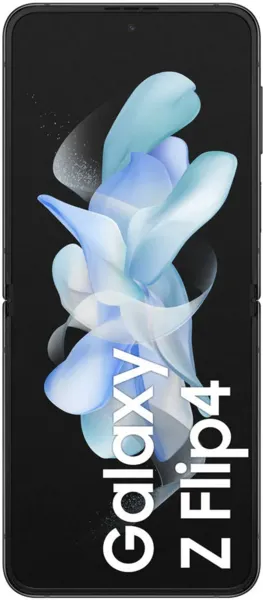
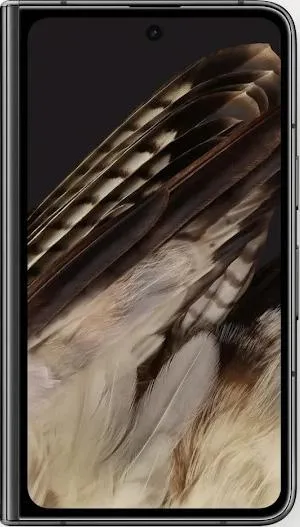
| Form Factor | Clamshell Foldable | Book Foldable | Flip4 for pocketability; Pixel Fold for tablet-like multitasking. |
| Dimensions (mm) | 165.2 x 71.9 x 6.9 | 139.7 x 158.7 x 5.8 | Flip4 significantly more compact when folded. |
| Weight (g) | 187 | 283 | Flip4 noticeably lighter for one-handed use. |
| Display | |||
| Main Display Size | 6.7" | 7.6" | Pixel Fold offers a larger canvas for content consumption. |
| Resolution | 1080 x 2640 | 1840 x 2208 | Both sharp, but Pixel Fold boasts higher pixel density (378 vs 425 PPI) and wider aspect ratio more suitable for productivity. |
| Refresh Rate | 120Hz | 120Hz | Smooth scrolling and animations on both. |
| Performance | |||
| Chipset | Snapdragon 8+ Gen 1 | Google Tensor G2 | Both powerful, but benchmarks suggest Snapdragon edges out in raw performance. Tensor G2 may excel in AI tasks. |
| RAM | 8GB | 12GB | Pixel Fold's extra RAM benefits multitasking and demanding apps. |
| Camera | |||
| Main Camera | 12MP | 48MP | Pixel Fold's higher resolution likely captures more detail. |
| DxOMark Score | 112 | 133 | Pixel Fold's significantly higher score suggests superior overall camera quality. |
| Battery Life | |||
| Capacity | 3700 mAh | 4821 mAh | Pixel Fold likely offers longer battery life due to larger capacity. |
| Charging | 25W Wired, 15W Wireless | 30W Wired | Pixel Fold charges faster, no wireless charging details available for Pixel Fold yet. |
2. Key Insights
- Pocketability vs. Productivity: The Flip4 prioritizes portability with its compact clamshell design. The Pixel Fold unfolds into a tablet-like experience, ideal for multitasking and content creation.
- Performance Prowess: Both phones pack powerful chipsets. While benchmarks might favor the Snapdragon, real-world performance differences are likely subtle for average users. The Pixel Fold's extra RAM could provide a smoother experience with heavy multitasking.
- Camera Capabilities: On paper, the Pixel Fold boasts a superior camera system with a significantly higher DxOMark score and resolution. Google's computational photography expertise traditionally shines in Pixel devices.
- Battery Endurance: The Pixel Fold's larger battery likely translates to significantly longer usage time. However, real-world battery performance depends heavily on individual usage patterns.
3. User Profiles and Recommendations
- Flip4: Ideal for users who prioritize a compact, stylish phone that easily fits in a pocket. Great for social media, casual photography, and one-handed use.
- Pixel Fold: Best suited for power users who demand a large screen for productivity, multitasking, and immersive content consumption. Excellent for professionals, creatives, and anyone who values a tablet-like experience in a phone.
4. Buying Decision Framework
- What's your priority: portability or productivity? If pocketability is paramount, the Flip4 wins. If a larger screen for work and entertainment is crucial, choose the Pixel Fold.
- How important is camera quality? If you're a photography enthusiast, the Pixel Fold's advanced camera system is likely the better choice.
- What's your budget? Both phones fall in the premium price range, but the Pixel Fold will likely command a higher price tag. Consider the price-to-value ratio based on your individual needs.
My Choice: The Google Pixel Fold
While I appreciate the Flip4's compact design, I would choose the Google Pixel Fold. Its larger unfolded screen offers a compelling productivity boost, turning the device into a mini-tablet. The superior camera system, backed by Google's computational photography prowess, is a major draw for me. While the added weight and bulk are trade-offs, the versatility and potential for enhanced workflow outweigh them in my personal use case. I often work on the go and value a device that seamlessly transitions between phone and tablet modes. The Pixel Fold, at least on paper, promises to deliver precisely that.
