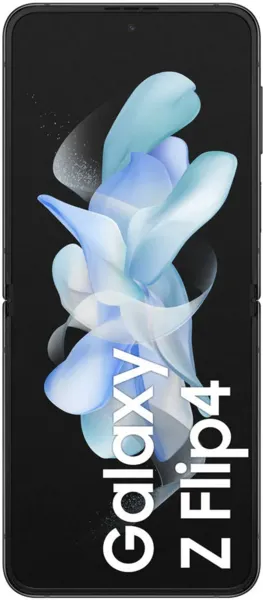
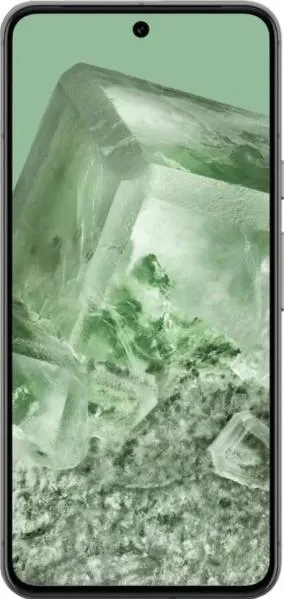
Samsung Galaxy Z Flip4 vs. Google Pixel 8: A Detailed Comparison
The foldable frenzy continues with Samsung's Galaxy Z Flip4, while Google throws its hat in the ring with the Pixel 8, a device focused on refined fundamentals. Let's dissect these phones to see which one comes out on top.
1. Specifications Breakdown
| Feature | Samsung Galaxy Z Flip4 | Google Pixel 8 | Real-World Implications |
|---|---|---|---|
| Design | |||
| Form Factor | Foldable | Slab | Flip4 offers portability and a unique form factor; Pixel 8 provides a traditional smartphone experience. |
| Dimensions (mm) | 165.2 x 71.9 x 6.9 | 150.5 x 70.8 x 8.9 | Flip4 is significantly more compact when folded; Pixel 8 is thinner when unfolded. |
| Weight (g) | 187 | 206 | Both phones offer a comfortable in-hand feel. |
| Display | |||
| Size (inches) | 6.7 | 6.2 | Flip4 provides a larger screen for media consumption; Pixel 8 is more pocketable. |
| Resolution (px) | 1080 x 2640 | 1080 x 2400 | Both offer sharp displays, but Flip4 has a slightly higher pixel density due to its taller aspect ratio. |
| Refresh Rate (Hz) | 120 | 120 | Both deliver smooth scrolling and animations. |
| Display Type | Foldable Dynamic AMOLED 2X | OLED | Flip4's foldable screen technology allows for unique use cases; Pixel 8 boasts vibrant colors and deep blacks. |
| Performance | |||
| Chipset | Snapdragon 8+ Gen 1 | Google Tensor G3 | Both chipsets offer flagship-level performance, but benchmarks will reveal specific strengths. |
| CPU | Octa-core | Octa-core | Both are powerful enough for demanding tasks and multitasking. |
| RAM (GB) | 8 | 8 | Sufficient memory for smooth operation and app switching. |
| OS | Android 12 (up to 14) | Android 14 | Pixel 8 offers the latest Android version and longer software support. |
| Camera | |||
| Rear Camera (MP) | 12 + 12 | 50 + 12 | Pixel 8's main sensor boasts significantly higher resolution and larger pixel size for improved low-light performance. |
| Front Camera (MP) | 10 | 10.5 | Comparable front-facing cameras for selfies and video calls. |
| DxOMark Score | 112 | 148 | Pixel 8 significantly outperforms the Flip4 in overall camera quality according to DxOMark. |
| Battery Life | |||
| Capacity (mAh) | 3700 | 4575 | Pixel 8 has a significantly larger battery capacity, suggesting longer usage time. |
| Charging | 25W Wired, 15W Wireless | 27W, Wireless | Both offer fast charging, but specifics on Pixel 8 wireless charging are missing. |
2. Key Insights
- Form Factor: The Flip4's foldable design is its defining feature, offering unmatched portability. The Pixel 8 opts for a classic slab design that feels familiar.
- Performance: Both phones pack powerful processors, but the Tensor G3 in the Pixel 8 is likely optimized for AI and machine learning tasks, providing a unique advantage in specific applications.
- Camera: The Pixel 8's camera system, with its higher resolution sensor and advanced computational photography capabilities, significantly outperforms the Flip4.
- Battery Life: The Pixel 8's larger battery is a clear winner, promising extended usage on a single charge.
3. User Profiles and Recommendations
- Flip4: Ideal for users who prioritize portability and a unique, stylish device. Its compact size makes it perfect for on-the-go use.
- Pixel 8: Best suited for users who value a premium camera experience, long battery life, and the latest Android features and updates. Its powerful processor and AI capabilities will appeal to power users and photography enthusiasts.
4. Buying Decision Framework
- Is portability your top priority? If yes, the Flip4's foldable design is hard to beat.
- Do you value a top-tier camera experience? The Pixel 8's camera system is a clear winner in this category.
- How important is software support and the latest Android features? The Pixel 8, being a Google phone, will receive longer software updates.
My Choice: Google Pixel 8
While the Flip4's foldable design is undeniably cool, the Pixel 8's superior camera, larger battery, and longer software support make it the more compelling device for me. As a tech journalist, I prioritize performance, camera quality, and staying updated with the latest software advancements. The Pixel 8 delivers on all these fronts, making it the clear winner in my book. I also appreciate the clean Android experience and the promise of timely updates directly from Google. While I acknowledge the allure of the Flip4's compact form factor, the practical benefits of the Pixel 8 better align with my needs and priorities.
