Samsung Galaxy Z Flip4 vs. Apple iPhone 16 Plus: A Detailed Comparison
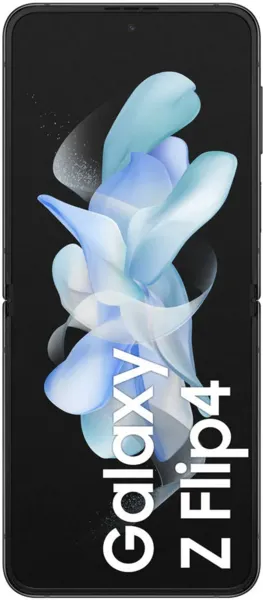
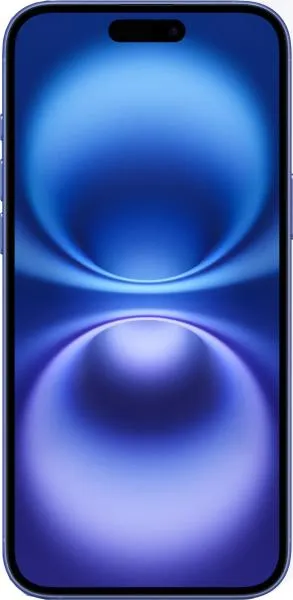
The Samsung Galaxy Z Flip4 and Apple iPhone 16 Plus represent two distinct approaches to the modern smartphone. One embraces cutting-edge foldable technology, while the other refines a classic design with powerful internals. Let's dissect their specifications and uncover what these differences mean for you.
1. Specifications Breakdown
| Feature | Samsung Galaxy Z Flip4 | Apple iPhone 16 Plus | Real-World Implications | |
|---|---|---|---|---|
| Design | ||||
| Form Factor | Foldable | Candybar | Flip4 offers portability and unique interactions; iPhone 16 Plus provides a larger, more traditional canvas. | |
| Dimensions (mm) | 165.2 x 71.9 x 6.9 | 160.9 x 77.8 x 7.8 | Flip4 is significantly more compact when folded; iPhone 16 Plus is thinner when unfolded. | |
| Weight (g) | 187 | 199 | Flip4 is noticeably lighter, enhancing portability. | |
| Display | ||||
| Size (inches) | 6.7 | 6.7 | Identical screen real estate. | |
| Resolution (px) | 1080 x 2640 | 1290 x 2796 | iPhone 16 Plus boasts a sharper display with higher pixel density (460 ppi vs. 426 ppi). | |
| Panel Type | Foldable Dynamic AMOLED 2X | Super Retina XDR OLED | Flip4's folding screen offers unique flexibility; iPhone 16 Plus prioritizes image quality and brightness. | |
| Refresh Rate (Hz) | 120 | (Unspecified) | Flip4's higher refresh rate delivers smoother scrolling and animations. (Assuming iPhone 16 Plus is 60Hz) | |
| Performance | ||||
| Chipset | Snapdragon 8+ Gen 1 | Apple A18 | Both offer top-tier performance, but the A18 is expected to lead in benchmarks due to newer architecture. | |
| CPU | Octa-core | Hexa-core | Both CPUs are highly capable, but core configurations differ, impacting multi-tasking and efficiency. | |
| RAM (GB) | 8 | 8 | Ample RAM for smooth multitasking on both devices. | |
| Camera | ||||
| Main Camera (MP) | 12.2 | 48 | iPhone 16 Plus offers significantly higher resolution for detailed photos. | |
| Ultrawide (MP) | 12 | 12 | Comparable ultrawide capabilities. | |
| Battery Life | ||||
| Capacity (mAh) | 3700 | 4674 | iPhone 16 plus has a significantly larger battery capacity, potentially leading to longer usage time. |
2. Key Insights
- Portability vs. Immersiveness: The Z Flip4's compact folded size is a game-changer for pocketability, while the iPhone 16 Plus' larger, traditional display provides a more immersive experience for media consumption and productivity.
- Performance Parity, with a potential edge to Apple: While both phones will deliver flagship performance, the newer A18 chip in the iPhone 16 Plus, built on a more advanced 3nm process, is likely to outperform the Snapdragon 8+ Gen 1 in benchmarks and demanding tasks.
- Camera Prowess: The iPhone 16 Plus' 48MP main camera boasts superior resolution and detail capture compared to the Flip4's 12MP sensor. However, real-world image quality will depend on factors beyond resolution, including image processing.
- Battery Endurance: The iPhone 16 Plus packs a substantially larger battery, promising significantly longer usage time between charges compared to the Flip4. This could be a deciding factor for heavy users.
3. User Profiles and Recommendations
- Z Flip4: Ideal for users who prioritize portability and appreciate the novelty and functionality of a foldable phone. Excellent for social media enthusiasts who leverage Flex Mode for unique camera angles.
- iPhone 16 Plus: Suited for users who prefer a large screen experience for media consumption, gaming, and productivity. The longer battery life is a boon for power users.
4. Buying Decision Framework
- Is portability your top priority? If pocketability trumps screen size, the Z Flip4 is the clear winner.
- How important is battery life? Heavy users will likely gravitate towards the iPhone 16 Plus' larger battery capacity.
- Are you drawn to the latest and greatest technology? The iPhone 16 Plus, being a newer release with cutting-edge silicon, holds the edge in raw performance and potentially future-proofing.
My Choice: Personally, I would choose the iPhone 16 Plus. While I admire the Z Flip4's innovative design, I prioritize battery life and raw performance in my daily driver. The iPhone 16 Plus' larger battery, coupled with the expected performance gains of the A18 chip, better aligns with my usage patterns. The larger, sharper display is also appealing for media consumption and productivity. While the price is likely higher, the overall package offered by the iPhone 16 Plus better suits my needs.
