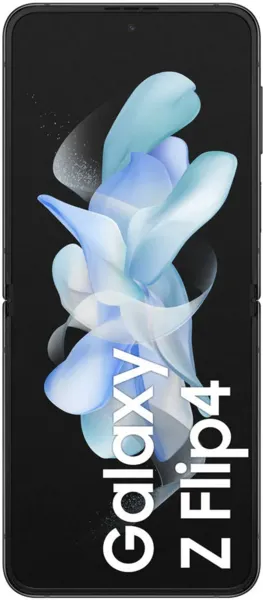
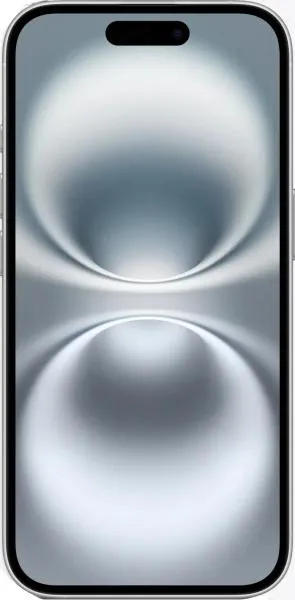
Samsung Galaxy Z Flip4 vs. Apple iPhone 16: A Detailed Comparison
The Samsung Galaxy Z Flip4, a foldable marvel from 2022, goes head-to-head with the sleek Apple iPhone 16, a 2024 powerhouse. This in-depth comparison dives beyond the spec sheet, translating technical nuances into practical implications for everyday users.
1. Specifications Breakdown
| Feature | Samsung Galaxy Z Flip4 | Apple iPhone 16 | Real-World Implications |
|---|---|---|---|
| Design | |||
| Form Factor | Foldable | Standard | Flip4 offers portability and a unique form factor; iPhone 16 prioritizes a classic, robust design. |
| Dimensions (mm) | 165.2 x 71.9 x 6.9 | 147.6 x 71.6 x 7.8 | Flip4 is more compact when folded but thicker; iPhone 16 is thinner overall. |
| Weight (g) | 187 | 170 | Both phones are lightweight, but the iPhone 16 is slightly lighter. |
| Display | |||
| Size (inches) | 6.7 | 6.1 | Flip4 offers a larger screen for immersive content consumption; iPhone 16 provides a more one-handed-friendly experience. |
| Resolution (px) | 1080 x 2640 | 1179 x 2556 | Both offer sharp displays; iPhone 16 boasts slightly higher pixel density (460 vs 426 PPI). |
| Type | Foldable Dynamic AMOLED 2X | Super Retina XDR OLED | Flip4's folding screen introduces a crease; iPhone 16 offers a potentially brighter, more durable flat display. |
| Refresh Rate (Hz) | 120 | (Unspecified) | Flip4's 120Hz delivers smoother scrolling and animations; iPhone 16's refresh rate remains unknown. |
| Performance | |||
| Chipset | Snapdragon 8+ Gen 1 | Apple A18 | Both are flagship chipsets of their respective generations; A18 is expected to significantly outperform the 8+ Gen 1. |
| CPU | Octa-core | Hexa-core | Both offer powerful processing; A18's architecture likely provides efficiency and performance gains. |
| RAM (GB) | 8 | 8 | Both have ample RAM for multitasking. |
| Camera | |||
| Main Camera (MP) | 12.2 | 48 | iPhone 16's 48MP sensor offers higher resolution and potentially better low-light performance. |
| Ultrawide (MP) | 12 | 12 | Comparable ultrawide capabilities. |
| Selfie (MP) | 10 | 12 | iPhone 16 offers a slightly higher resolution selfie camera. |
| Battery Life | |||
| Capacity (mAh) | 3700 | 3279 | Flip4 has a larger battery capacity, suggesting potentially longer battery life. |
| Charging | 25W Wired, 15W Wireless | 25W Wired, 25W Wireless | iPhone 16 offer faster wireless charging |
2. Key Insights
Innovation vs. Refinement: The Z Flip4's foldable design is a conversation starter, offering unique portability and a different user experience. The iPhone 16 represents Apple's focus on refining the traditional smartphone form factor with expected performance and camera improvements.
Performance Disparity: The two-year gap in release dates translates to a noticeable performance advantage for the iPhone 16. The A18 chip, built on a more advanced 3nm process, promises significant gains in speed, efficiency, and graphics capabilities.
Camera Prowess: While the Flip4 boasts a respectable camera system, the iPhone 16 is anticipated to excel with its 48MP main sensor, capturing more detail and potentially delivering superior low-light photography.
Software Ecosystems: A key difference lies in the operating systems. Android on the Flip4 offers customization and flexibility, while iOS on the iPhone 16 prioritizes ease of use and a tightly integrated ecosystem.
3. User Profiles and Recommendations
Z Flip4: Ideal for users who value portability, a unique design, and prioritize compact form factor over raw performance. Content creators who leverage the FlexCam feature for unique shooting angles will also find it appealing.
iPhone 16: Best suited for users who demand top-tier performance, a polished user experience, and a seamless integration within the Apple ecosystem. Photography enthusiasts will likely appreciate the advancements in the iPhone 16's camera system.
4. Buying Decision Framework
Is a foldable design a priority? If the compact form factor and novelty of a folding phone outweigh the performance advantages of a traditional smartphone, the Z Flip4 is a compelling option.
How important is top-tier performance? For users who demand the fastest processing speeds, latest gaming capabilities, and future-proofing, the iPhone 16's A18 chip makes it a clear winner.
What is your budget? Considering the Flip4 is an older generation, it's likely to be more affordable than the iPhone 16. Assess your budget and prioritize features accordingly.
My Choice: As a tech journalist who values performance and a refined user experience, I would choose the iPhone 16. While the Z Flip4's foldable design is intriguing, the iPhone 16's anticipated performance gains, advanced camera technology, and the seamless integration within the Apple ecosystem are more compelling for my daily workflow and personal preferences. The slightly higher price would be justified by the significant improvements in key areas.
