Samsung Galaxy Z Flip4 vs. Apple iPhone 14 Pro Max: A Detailed Comparison
The Samsung Galaxy Z Flip4 and the Apple iPhone 14 Pro Max represent two distinct approaches to the modern smartphone. One prioritizes innovative design with its foldable form factor, while the other champions raw power and a refined user experience. Let's dissect their specifications and uncover what these differences mean for you.
1. Specifications Breakdown
| Feature | Samsung Galaxy Z Flip4 | Apple iPhone 14 Pro Max | Real-World Implications |
|---|---|---|---|
| Design | |||
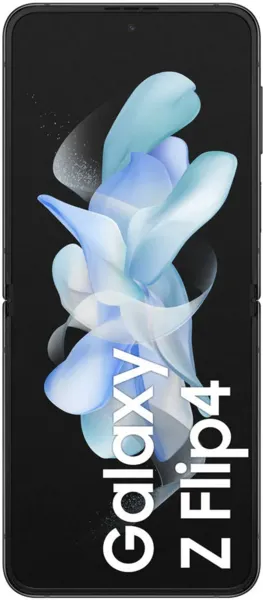
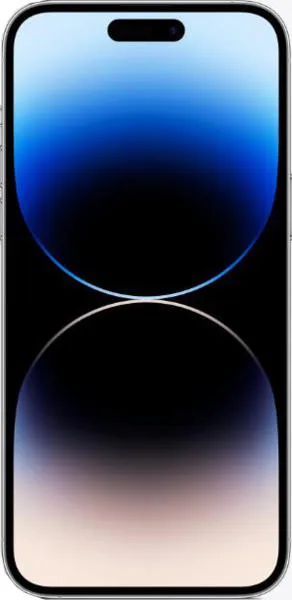
| Form Factor | Foldable | Traditional Slab | Flip4 offers portability and a unique "wow" factor; iPhone prioritizes a larger screen. |
| Dimensions (mm) | 165.2 x 71.9 x 6.9 | 160.7 x 77.6 x 7.9 | Flip4 is significantly more compact when folded; iPhone is larger but thinner overall. |
| Weight (g) | 187 | 240 | Flip4 is noticeably lighter, enhancing one-handed use. |
| Display | |||
| Size (inches) | 6.7 | 6.7 | Both offer large, immersive displays. |
| Resolution (px) | 1080 x 2640 | 1290 x 2796 | iPhone boasts a sharper display with higher pixel density (460 ppi vs. 426 ppi). |
| Refresh Rate (Hz) | 120 | 120 | Both offer smooth scrolling and animations. |
| Display Type | Foldable Dynamic AMOLED 2X | LTPO Super Retina XDR OLED | iPhone's LTPO panel allows for a variable refresh rate, potentially saving battery. |
| Performance | |||
| Chipset | Snapdragon 8+ Gen 1 | Apple A16 Bionic | Both are top-tier chipsets, but A16 generally benchmarks higher in raw performance. |
| CPU | Octa-core | Hexa-core | Core configurations differ, but real-world performance is excellent on both. |
| RAM (GB) | 8 | 6 | While Flip4 has more RAM, iOS's memory management often negates this advantage. |
| Camera | |||
| Main Camera (MP) | 12 | 48 | iPhone's 48MP sensor captures more detail; Flip4 excels in flexibility due to form factor. |
| DxOMark Score | 112 | 146 | iPhone significantly outperforms Flip4 in overall camera quality according to DxOMark. |
| Battery Life | |||
| Capacity (mAh) | 3700 | 4323 | iPhone offers a larger battery capacity, potentially translating to longer usage time. |
| Fast Charging | 25W | 20W | Flip4 supports slightly faster wired charging. |
2. Key Insights
Design and Portability: The Flip4's foldable design is its defining feature. It offers unmatched portability, easily fitting into pockets. The iPhone 14 Pro Max, while sleek, is significantly larger and heavier. This makes the Flip4 better for on-the-go users who value compactness.
Performance: Both phones deliver flagship-level performance. While benchmarks favor the iPhone 14 Pro Max, both handle demanding tasks and gaming with ease. The Flip4's larger RAM might offer slight advantages in multitasking, but iOS optimization generally levels the playing field.
Camera Prowess: The iPhone 14 Pro Max boasts a superior camera system with a higher resolution main sensor and advanced features. It consistently delivers stunning photos and videos, particularly in low light. While the Flip4's camera is competent, it doesn't reach the same heights as the iPhone's. The Flip4 does offer unique shooting angles due to its foldable design.
Battery Endurance: The iPhone 14 Pro Max pulls ahead in battery life due to its larger battery capacity and optimized software. While the Flip4 supports faster charging, the iPhone's overall endurance is likely to be more significant for most users.
3. User Profiles and Recommendations
Z Flip4: Ideal for trendsetters, social media enthusiasts, and users who prioritize portability and a unique design above all else. Its compact size and foldable form factor make it a conversation starter and a convenient companion.
iPhone 14 Pro Max: Best suited for power users, photographers, videographers, and those seeking a premium, no-compromise smartphone experience. Its superior performance, camera, and battery life make it a top contender in the flagship category.
4. Buying Decision Framework
- Do you prioritize portability and a unique design above all else? If yes, the Z Flip4 is a compelling choice.
- Is camera quality your top priority? If so, the iPhone 14 Pro Max is the clear winner.
- Do you need the absolute best battery life possible? Again, the iPhone 14 Pro Max takes the lead.
My Choice: As a tech journalist who values performance, a robust camera, and a refined user experience, I would choose the iPhone 14 Pro Max. While I admire the Flip4's innovative design, the iPhone's overall package - its superior camera, longer battery life, and the polished iOS ecosystem - better suits my needs. The price difference is significant, but for me, the iPhone's advantages justify the premium.
