1. Specifications Comparison
| Feature | Samsung Galaxy Tab S9 FE | ZTE Blade A75 4G | Practical Impact |
|---|---|---|---|
| Design | |||
| Dimensions | 254.3 x 165.8 x 6.5 mm | 164.1 x 75.8 x 8.6 mm | The Samsung tablet is significantly larger than the ZTE phone. Portability is much better with the ZTE. |
| Weight | 523g | 189g | The Samsung tablet is much heavier, impacting one-handed use and portability. |
| Build | Not specified | Not specified | Build quality unknown for both, limiting comparison. |
| Display | |||
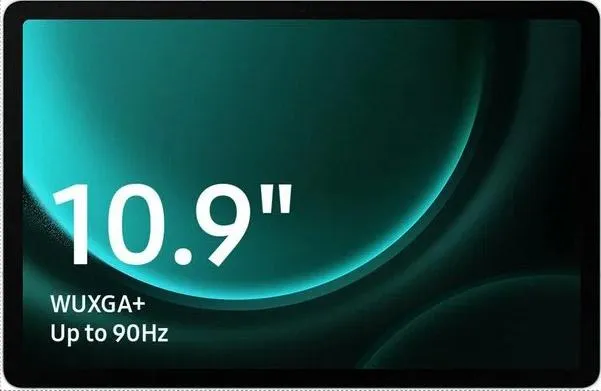
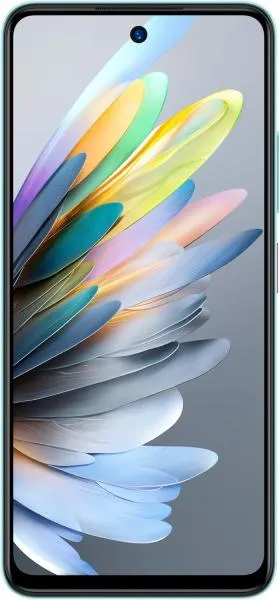
| Size | 10.9" | 6.6" | Larger display on Samsung offers better media consumption and multitasking but reduced portability. |
| Type | IPS LCD, 90Hz | IPS LCD, 90Hz | Both have smooth displays, but color accuracy and brightness are not comparable due to lacking data. |
| Resolution | 1440 x 2304 | 720 x 1612 | Significantly sharper and more detailed visuals on the Samsung tablet due to higher resolution. |
| PPI | 249 | 267 | Despite lower resolution, ZTE has slightly higher pixel density due to smaller screen size; difference in sharpness might be negligible. |
| Performance | |||
| Chipset | Exynos 1380 (5nm) | Unisoc T606 (12nm) | Samsung's 5nm chipset should provide significantly better performance and power efficiency. |
| CPU | Octa-core (4x2.4 GHz Cortex-A78 & 4x2.0 GHz Cortex-A55) | Octa-core (2x1.6 GHz Cortex-A75 & 6x1.6 GHz Cortex-A55) | Samsung has faster and more powerful CPU cores, enabling smoother multitasking and demanding applications. |
| GPU | Mali-G68 MP5 | Mali-G57 MP1 | Samsung's GPU is considerably more powerful, leading to better gaming performance and smoother graphics. |
| RAM | 8GB | 4GB | More RAM on the Samsung allows for more apps to run in the background and better multitasking. |
| Storage | 256GB | 256GB | Storage is equal, ample for most users. |
| Battery | |||
| Capacity | 8000 mAh | 5000 mAh | Larger battery in Samsung likely provides significantly longer battery life, especially given larger screen. |
| Other | |||
| OS | Android 13 | Android 13 | Both run on the same OS version, offering similar software features out of the box. |
| NFC | No | Yes | ZTE offers NFC for contactless payments and data transfer, a feature lacking in the Samsung. |
| Price Range | Medium | Low | ZTE is expected to be significantly cheaper. |
2. Key Differences Analysis
Samsung Galaxy Tab S9 FE Advantages:
- Superior Performance: Significantly faster processor and GPU for demanding tasks and gaming.
- Sharper Display: Higher resolution for more detailed visuals.
- Larger Battery: Longer battery life for extended use.
- More RAM: Smoother multitasking and better performance with demanding applications.
ZTE Blade A75 4G Advantages:
- More Portable: Smaller and lighter, easier to carry and use one-handed.
- NFC: Supports contactless payments and data transfer.
- Lower Price: More budget-friendly option.
Trade-offs:
- Samsung: Larger size and weight compromise portability despite offering a bigger screen. Lacks NFC.
- ZTE: Significantly lower performance limits multitasking and gaming capabilities. Lower resolution display. Smaller battery capacity.
3. User Profiles & Recommendations
Samsung Galaxy Tab S9 FE Ideal User: Someone who prioritizes performance, a large, high-quality display for media consumption and multitasking, and longer battery life, and is less concerned with portability and NFC. Suitable for students, creative professionals, and entertainment enthusiasts.
ZTE Blade A75 4G Ideal User: Budget-conscious users who prioritize portability and basic functionality, including calling, texting, web browsing, and light gaming. Suitable for users who need a simple, affordable phone for everyday communication.
4. Decision Framework
Key Questions for Buyers:
- What is your budget? The ZTE is a budget option, while the Samsung falls in the mid-range.
- What is your primary use case? Media consumption, gaming, productivity, or basic communication?
- How important is portability? The ZTE is much more portable than the larger Samsung tablet.
My Choice: Samsung Galaxy Tab S9 FE
While the ZTE Blade A75 4G offers a compelling price point and portability, the Samsung Galaxy Tab S9 FE is my choice. The significantly superior performance, larger higher resolution display, and substantially longer battery life are crucial for my usage. I value a smooth and responsive experience for productivity, media consumption, and occasional gaming, which the Exynos 1380 and 8GB RAM of the Samsung deliver. While the lack of NFC is a minor inconvenience, and the larger size makes it less portable, these trade-offs are acceptable considering the substantial gains in other areas. The price difference is justifiable for the long-term value and superior user experience the Samsung provides. As a tablet, the larger size is less of a concern for me compared to if it were a phone.
