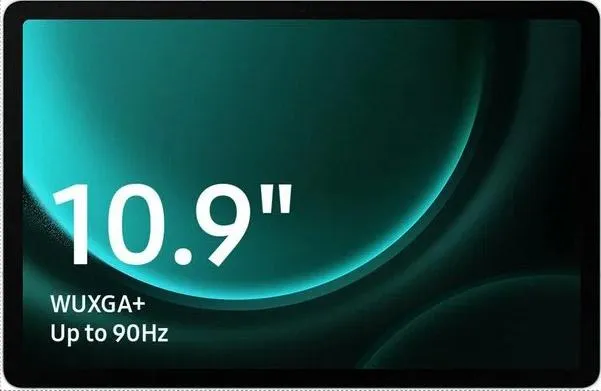
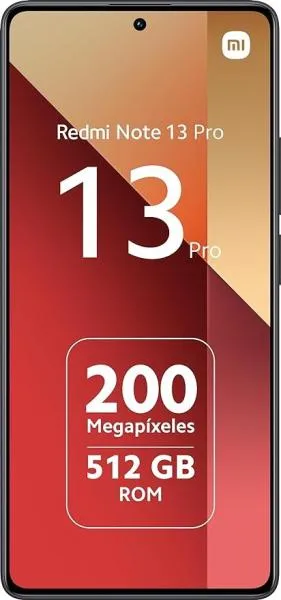
1. Specifications Comparison
| Feature | Samsung Galaxy Tab S9 FE | Xiaomi Redmi Note 13 Pro 4G | Practical Impact |
|---|---|---|---|
| Design | |||
| Dimensions | 254.3 x 165.8 x 6.5 mm | 161.1 x 75 x 8 mm | The Tab S9 FE is significantly larger, reflecting its tablet nature. The Redmi Note 13 Pro is a typical smartphone size, making it more pocketable. |
| Weight | 523g | 188g | The Tab S9 FE is much heavier, less suitable for extended one-handed use. |
| Build | Material information missing for both devices, limiting comparison. | ||
| Display | |||
| Size | 10.9" | 6.67" | Larger display on the Tab S9 FE offers more immersive content consumption but less portability. |
| Type | IPS LCD, 90Hz | AMOLED, 1B colors, 120Hz | AMOLED on Redmi Note 13 Pro provides deeper blacks, richer colors, and potentially better power efficiency. Higher refresh rate results in smoother animations and scrolling. |
| Resolution | 1440 x 2304 | 1080 x 2400 | Tab S9 FE has a sharper display (249 ppi vs 395 ppi) due to its larger size and higher resolution. Redmi Note 13 Pro's pixel density is still high enough for sharp visuals on a smaller screen. |
| Peak Brightness | Not specified | 1300 nits | Redmi Note 13 Pro's superior peak brightness ensures better visibility in direct sunlight. Missing data for Tab S9 FE hinders comparison. |
| Performance | |||
| Chipset | Exynos 1380 (5nm) | Mediatek Helio G99 Ultra | Both are mid-range chipsets. Performance differences would require benchmarking. "Ultra" designation on the Helio G99 doesn't guarantee superior performance without specific benchmark data. |
| CPU | Octa-core (4x2.4 GHz Cortex-A78 & 4x2.0 GHz Cortex-A55) | Octa-core (2x2.2 GHz Cortex-A76 & 6x2.0 GHz Cortex-A55) | Core configurations suggest comparable performance, but real-world performance depends on optimization and other factors. |
| GPU | Mali-G68 MP5 | Mali-G57 MC2 | Mali-G68 is generally considered a more powerful GPU, potentially providing better gaming performance on the Tab S9 FE. |
| RAM | 8GB | 8GB/12GB | Redmi Note 13 Pro offers a 12GB RAM option for potentially smoother multitasking. |
| Storage | 256GB | 256GB/512GB | Redmi Note 13 Pro provides more storage options. |
| Battery | |||
| Capacity | 8000 mAh | 5000 mAh | Larger battery in the Tab S9 FE likely provides significantly longer battery life, crucial for a tablet. |
| Other | |||
| OS | Android 13 | Android 13 | Both run on the same OS version initially. |
| Max OS Version | 17 | 16 | Tab S9 FE is expected to receive longer software updates. |
| NFC | No | Yes | Redmi Note 13 Pro allows for contactless payments and data transfer. |
2. Key Differences Analysis
Samsung Galaxy Tab S9 FE Advantages:
- Larger Display: More immersive for media consumption, multitasking, and creative tasks.
- Sharper Display: Higher resolution for crisper visuals.
- Potentially Better GPU: May offer a smoother gaming experience.
- Significantly Larger Battery: Longer usage time between charges.
- Longer Software Support: Expected to receive updates for a longer period.
Xiaomi Redmi Note 13 Pro 4G Advantages:
- More Portable: Smaller size and weight for easier one-handed use and portability.
- Superior Display Quality: AMOLED technology with vibrant colors, deeper blacks, and higher refresh rate for a smoother visual experience.
- Higher Peak Brightness: Better outdoor visibility.
- NFC: Enables contactless payments and other NFC functionalities.
- More Storage Options: Offers a 512GB variant for users needing ample storage.
3. User Profiles & Recommendations
Samsung Galaxy Tab S9 FE: Ideal for users who prioritize media consumption, multitasking, creative work, note-taking, and long battery life. Students, artists, and those who consume a lot of video content would benefit.
Xiaomi Redmi Note 13 Pro 4G: Suits users who need a portable, powerful smartphone with a vibrant display, good performance, and modern features like NFC. Suitable for everyday use, gaming, social media, and photography.
4. Decision Framework
Key Questions for Buyers:
- Primary Use Case: Is the device primarily for media consumption and productivity or communication and portability?
- Budget: Are you looking for the best value within a specific budget? The price difference needs to be considered.
- Feature Importance: Which features are most critical (e.g., display quality, battery life, portability, NFC)?
My Choice: Xiaomi Redmi Note 13 Pro 4G
While the Tab S9 FE offers a compelling larger screen and longer battery life, I would choose the Xiaomi Redmi Note 13 Pro 4G. As a smartphone analyst focusing on practical daily usage, the Redmi Note 13 Pro's portability, AMOLED display with a 120Hz refresh rate, and NFC functionality are more important to me. The brighter display is also crucial for outdoor use. While I acknowledge the Tab S9 FE's strengths in media consumption, I prefer a device that excels in everyday tasks and easily fits in my pocket. The slightly older CPU in the Redmi is less of a concern for my typical usage, and the potential performance difference is likely negligible for most daily applications.
