1. Specifications Comparison
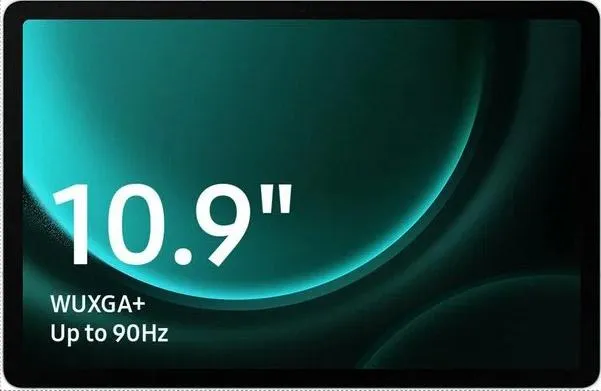
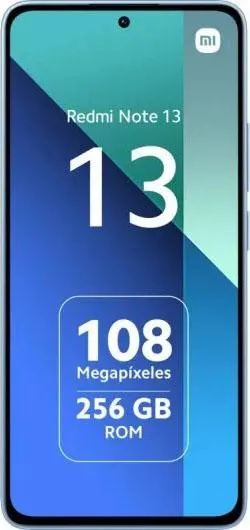
| Feature | Samsung Galaxy Tab S9 FE | Xiaomi Redmi Note 13 4G | Practical Impact |
|---|---|---|---|
| Design | |||
| Dimensions (mm) | 254.3 x 165.8 x 6.5 | 162.3 x 75.6 x 8 | Tab S9 FE is significantly larger, indicating a tablet. Redmi Note 13 is a standard phone size. Portability differs greatly. |
| Weight (g) | 523 | 188.5 | Tab S9 FE is much heavier, less suitable for one-handed use. |
| Display | |||
| Size (inches) | 10.9 | 6.67 | Larger screen on Tab S9 FE provides more immersive content consumption but reduced portability. |
| Type | IPS LCD | AMOLED | AMOLED generally offers better contrast, deeper blacks, and potentially lower power consumption. |
| Resolution | 1440 x 2304 | 1080 x 2400 | Higher resolution on Tab S9 FE results in sharper image quality, especially noticeable on the larger display. |
| Refresh Rate (Hz) | 90 | 120 | Smoother scrolling and animations on the Redmi Note 13 due to the higher refresh rate. |
| Peak Brightness (nits) | Not specified | 1800 | Redmi Note 13's high peak brightness ensures better visibility in direct sunlight. Lack of data for Tab S9 FE limits comparison. |
| Performance | |||
| Chipset | Exynos 1380 (5nm) | Snapdragon 685 (6nm) | Exynos 1380 is likely more powerful overall, enabling smoother multitasking and potentially better gaming performance. Direct comparison requires benchmark data. |
| CPU | Octa-core (4x2.4 GHz Cortex-A78 & 4x2.0 GHz Cortex-A55) | Octa-core (4x2.8 GHz Cortex-A73 & 4x1.9 GHz Cortex-A53) | Different core architectures make direct clock speed comparison less meaningful. Real-world performance differences need benchmarking. |
| GPU | Mali-G68 MP5 | Adreno 610 | Mali-G68 MP5 generally offers superior graphics performance compared to Adreno 610, benefiting gaming and graphically demanding tasks. |
| RAM | 8GB | 8GB | Both offer the same RAM, enabling similar multitasking capabilities. |
| Storage | 256 GB | 128GB/256GB | Tab S9 FE offers only one storage option while Redmi Note 13 provides flexibility. |
| Battery | |||
| Capacity (mAh) | 8000 | 5000 | Significantly larger battery in the Tab S9 FE should provide longer battery life, crucial for a tablet. |
| Other | |||
| NFC | No | Yes | Redmi Note 13 enables contactless payments and data transfer via NFC. |
| OS | Android 13 | Android 13 | Similar software experience initially, but Tab S9 FE has a longer promised update support (up to Android 17). |
| Price Range | Medium | Medium | Both fall in the same price range, suggesting value comparison is crucial. |
2. Key Differences Analysis
Samsung Galaxy Tab S9 FE Advantages:
- Larger Display: More immersive media consumption and better multitasking.
- Higher Resolution: Sharper visuals and better detail.
- More Powerful GPU: Superior performance for gaming and demanding tasks.
- Significantly Larger Battery: Longer usage time between charges.
- Longer Software Support: Will receive updates for a longer period.
Xiaomi Redmi Note 13 4G Advantages:
- Higher Refresh Rate Display: Smoother scrolling and more fluid animations.
- AMOLED Display: Better contrast, deeper blacks, and potentially better power efficiency.
- Higher Peak Brightness: Enhanced visibility outdoors.
- NFC: Supports contactless payments and data transfer.
- Lighter and More Portable: Easier to carry and use one-handed.
3. User Profiles & Recommendations
Samsung Galaxy Tab S9 FE: Ideal for users who prioritize media consumption, multitasking, creative tasks, and longer battery life. Suitable use cases include watching movies, playing games, drawing, note-taking, and using productivity apps.
Xiaomi Redmi Note 13 4G: Best suited for users who prioritize portability, a smooth display, and essential smartphone features like NFC. Excellent for everyday communication, social media, web browsing, and light gaming.
4. Decision Framework
Key Questions for Buyers:
- Tablet or Phone? Determine the primary form factor you need.
- Content Consumption or Communication? Which usage pattern is more important?
- Performance or Portability? Prioritize based on your needs.
Scenario-Based Recommendations:
- Student needing a device for note-taking and media consumption: Samsung Galaxy Tab S9 FE.
- Commuter needing a compact phone with good battery life: Xiaomi Redmi Note 13 4G.
- Gamer who values performance: Lean towards Samsung Galaxy Tab S9 FE due to the more powerful GPU, but consider the portability trade-off.
My Choice: Xiaomi Redmi Note 13 4G
While the Tab S9 FE boasts a larger display and more powerful GPU, I would choose the Xiaomi Redmi Note 13 4G. My priority is a portable device for everyday use, and the Redmi Note 13 better fits that need. The AMOLED display with a 120Hz refresh rate, along with NFC functionality, strongly influences my decision. The lighter weight and smaller size are crucial for comfortable one-handed use and portability. Although the Tab S9 FE offers advantages in certain areas, they are not aligned with my personal usage priorities.
