1. Specifications Comparison
| Feature | Samsung Galaxy Tab S9 FE | Xiaomi Redmi Note 13 | Practical Impact |
|---|---|---|---|
| Design | |||
| Dimensions | 254.3 x 165.8 x 6.5 mm | 161.1 x 75 x 7.6 mm | The Tab S9 FE is significantly larger, reflecting its tablet nature. The Redmi Note 13 is a more pocketable smartphone. |
| Weight | 523g | 174.5g | The Tab S9 FE is much heavier, less suitable for one-handed use. |
| Display | |||
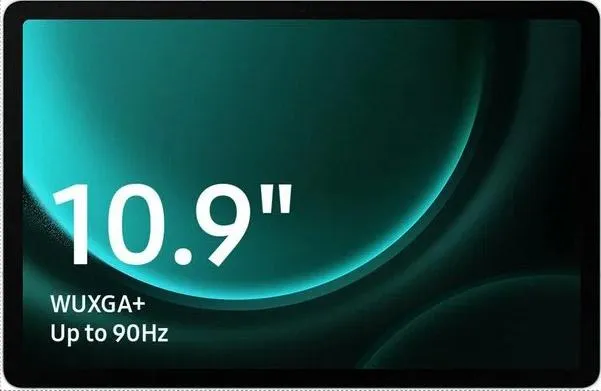
| Size | 10.9" | 6.67" | Larger display on the Tab S9 FE offers more immersive content consumption but less portability. |
| Type | IPS LCD, 90Hz | AMOLED, 1B colors, 120Hz | AMOLED on Redmi Note 13 provides richer colors, deeper blacks, and potentially better power efficiency. Higher refresh rate results in smoother animations. |
| Resolution | 1440 x 2304 | 1080 x 2400 | Higher resolution on Tab S9 FE results in sharper images and text, especially noticeable on a larger screen. |
| Peak Brightness | Not specified | 1000 nits | Redmi Note 13's higher peak brightness ensures better visibility in sunlight. Lack of data for the Tab S9 FE limits comparison. |
| Performance | |||
| Chipset | Exynos 1380 (5nm) | Mediatek Dimensity 6080 (6nm) | Both offer decent mid-range performance, but benchmarks are needed for accurate comparison. |
| CPU | Octa-core (4x2.4 GHz Cortex-A78 & 4x2.0 GHz Cortex-A55) | Octa-core (2x2.4 GHz Cortex-A76 & 6x2.0 GHz Cortex-A55) | Slight architectural differences in CPU cores might lead to minor performance variations. Real-world usage and benchmarks are needed for clear comparison. |
| GPU | Mali-G68 MP5 | Mali-G57 MC2 | The Tab S9 FE likely has a more powerful GPU, beneficial for gaming and graphically demanding tasks. |
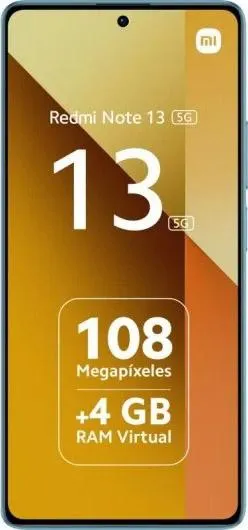
| RAM | 8GB | 8GB/12GB | 12GB RAM option on Redmi Note 13 allows for smoother multitasking. |
| Storage | 256GB | 256GB | Similar storage options on both devices. |
| Battery | |||
| Capacity | 8000 mAh | 5000 mAh | Significantly larger battery on the Tab S9 FE likely provides much longer battery life, crucial for a tablet. |
| Other | |||
| OS | Android 13 | Android 13 | Both run on the same OS version at launch. Tab S9 FE has a longer promised support window (up to Android 17). |
| NFC | No | Yes | Redmi Note 13 enables contactless payments and data transfer via NFC. |
| Price | Medium | Low | Redmi Note 13 offers a more budget-friendly option. |
2. Key Differences Analysis
Samsung Galaxy Tab S9 FE Advantages:
- Larger Display: More immersive experience for media consumption, multitasking, and creative tasks.
- Higher Resolution: Sharper visuals, beneficial for detailed work and entertainment.
- Significantly Larger Battery: Potentially much longer usage time between charges.
- Longer Software Support: More years of software updates and security patches.
Xiaomi Redmi Note 13 Advantages:
- AMOLED Display: Superior contrast, vibrant colors, and better power efficiency compared to LCD.
- Higher Refresh Rate: Smoother scrolling and animations, enhancing user experience.
- More Affordable: Offers excellent value for its price.
- NFC: Enables convenient contactless payments and other NFC functionalities.
- Lighter and More Compact: Easier to carry and use one-handed.
3. User Profiles & Recommendations
Samsung Galaxy Tab S9 FE: Ideal for users who prioritize media consumption, creative work (drawing, note-taking), multitasking, and long battery life. Students, artists, and professionals who need a larger screen would benefit.
Xiaomi Redmi Note 13: Suitable for users seeking a budget-friendly smartphone with a great display, good performance, and all essential features. Ideal for everyday use, social media, browsing, and light gaming.
4. Decision Framework
Key Questions:
- What is your primary use case? (Media consumption, productivity, communication)
- What is your budget?
- Do you prioritize portability or screen size?
Scenario-based recommendations:
- Student on a budget: Redmi Note 13 offers excellent value.
- Artist needing a large canvas: Tab S9 FE is a better choice.
- Professional requiring long battery life for travel: Tab S9 FE provides extended usage.
My Choice: Xiaomi Redmi Note 13
While the Samsung Galaxy Tab S9 FE boasts a larger display and longer battery life, I would choose the Xiaomi Redmi Note 13. My primary need is a portable device for communication, browsing, and occasional media consumption. The Redmi Note 13 excels in these areas with its vibrant AMOLED display, smooth 120Hz refresh rate, and compact form factor. The lower price point and inclusion of NFC further solidify my decision. While the Tab S9 FE is compelling for specific use cases, the Redmi Note 13 better suits my daily needs and budget. The lack of brightness information for the Tab S9 FE is concerning, and the significantly larger size and weight make it less practical for my lifestyle. The longer software support of the Tab S9 FE is tempting, but the Redmi Note 13's overall package is more appealing for my personal use.
