1. Specifications Comparison
| Feature | Samsung Galaxy Tab S9 FE | Xiaomi Redmi A3 | Practical Impact |
|---|---|---|---|
| Design | |||
| Dimensions | 254.3 x 165.8 x 6.5 mm | 168.3 x 76.3 x 8.3 mm | Tab S9 FE significantly larger; Redmi A3 more pocketable. Tab S9 FE better for media consumption, A3 for one-handed use. |
| Weight | 523g | 193g | Tab S9 FE much heavier, noticeable during extended use. Redmi A3 significantly lighter for comfortable portability. |
| Build | Not specified | Not specified | Build quality and materials unknown, impacting durability and premium feel. |
| Display | |||
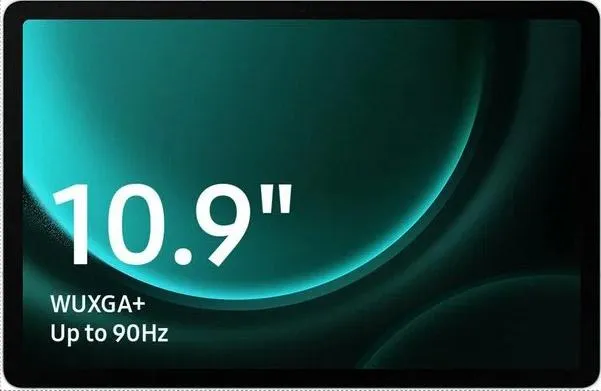
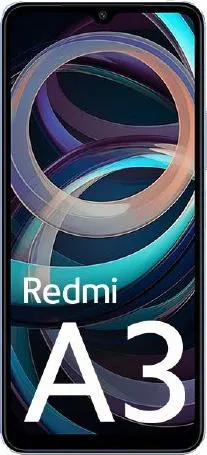
| Size | 10.9" | 6.71" | Tab S9 FE much larger display for immersive content; Redmi A3 smaller, more suitable for one-handed operation. |
| Type | IPS LCD, 90Hz | IPS LCD, 90Hz, 500 nits (HBM) | Both offer smooth scrolling with 90Hz. Redmi A3 specifies peak brightness (500 nits), suggesting better outdoor visibility. Tab S9 FE brightness is unknown. |
| Resolution | 1440 x 2304 | 720 x 1650 | Significantly sharper visuals on Tab S9 FE due to higher resolution (249 ppi vs 268 ppi). Noticeable difference in clarity for text and images. Despite the lower resolution on the Redmi A3, the smaller screen size results in a slightly higher pixel density. |
| Performance | |||
| Chipset | Exynos 1380 (5nm) | Mediatek Helio G36 (12nm) | Tab S9 FE significantly more powerful, enabling smoother multitasking, faster app loading, and better gaming performance. Redmi A3 suited for basic tasks. |
| CPU | Octa-core (4x2.4 GHz & 4x2.0 GHz) | Octa-core (4x2.2 GHz & 4x1.6 GHz) | Tab S9 FE's more modern CPU architecture and higher clock speeds translate to significantly better performance in demanding tasks. |
| GPU | Mali-G68 MP5 | PowerVR GE8320 | Tab S9 FE boasts a much more powerful GPU, crucial for gaming and graphically intensive applications. |
| RAM | 8GB | 4GB/6GB | Tab S9 FE offers more RAM for smoother multitasking and background app management. |
| Storage | 256GB | 128GB | Double the storage on Tab S9 FE allows for more apps, photos, and videos. |
| Battery | |||
| Capacity | 8000 mAh | 5000 mAh | Tab S9 FE likely offers significantly longer battery life due to larger capacity, but real-world usage depends on various factors. |
| Other | |||
| OS | Android 13 | Android 14 | Redmi A3 ships with a newer Android version out of the box. |
| NFC | No | Yes | Redmi A3 supports contactless payments and data transfer via NFC. |
| Price | Medium | Low | Significant price difference, reflecting performance and feature disparities. |
2. Key Differences Analysis
Samsung Galaxy Tab S9 FE Advantages:
- Significantly more powerful: Superior chipset, CPU, and GPU for demanding tasks and gaming.
- Larger, sharper display: Immersive media consumption and productivity.
- More RAM and storage: Smoother multitasking and ample space for files.
- Larger battery: Potentially longer battery life.
Xiaomi Redmi A3 Advantages:
- More affordable: Budget-friendly option for basic tasks.
- Lighter and more compact: Easier to carry and use one-handed.
- NFC support: Convenient for contactless payments.
- Newer Android version: Potentially longer software support.
Trade-offs:
- Tab S9 FE: Higher price for premium features; larger size and weight might be less portable. Lacks NFC.
- Redmi A3: Lower performance and smaller screen; limited storage might necessitate frequent cleanup.
3. User Profiles & Recommendations
Samsung Galaxy Tab S9 FE: Users who prioritize performance, large screen for media consumption or productivity, and don't mind the larger size and higher price. Ideal for:
- Students: Note-taking, research, media consumption.
- Professionals: On-the-go work, presentations, multitasking.
- Entertainment enthusiasts: Movies, games, reading.
Xiaomi Redmi A3: Budget-conscious users who prioritize affordability and portability for basic tasks. Ideal for:
- Casual users: Calling, texting, social media browsing.
- Students on a budget: Basic communication and note-taking.
- Secondary device: Simple tasks and portability.
4. Decision Framework
Key Questions:
- What is your budget? The Redmi A3 is significantly cheaper.
- What is your primary use case? Demanding tasks and media consumption favor the Tab S9 FE; basic communication favors the Redmi A3.
- How important is portability? The Redmi A3 is much lighter and easier to carry.
Scenario-Based Recommendations:
- Limited budget, basic usage: Redmi A3
- Student needing performance for multitasking and media consumption: Tab S9 FE
- Professional requiring a powerful device for work: Tab S9 FE
My Choice: Samsung Galaxy Tab S9 FE
While the Redmi A3 offers excellent value for its price, I would choose the Samsung Galaxy Tab S9 FE. The significantly more powerful processor, larger and higher resolution display, and increased RAM and storage are crucial for my workflow and entertainment needs. I prioritize performance and a larger screen for productivity and media consumption. I am willing to pay the premium for these features and accept the trade-off of larger size and weight. The lack of NFC is a minor inconvenience for me. The superior performance and larger screen of the Tab S9 FE would offer a significantly better user experience in the long run for my needs.
