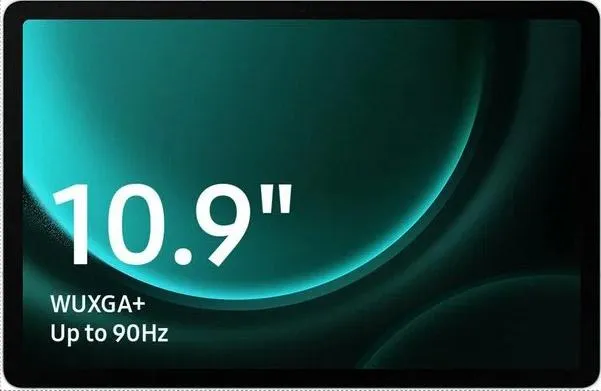
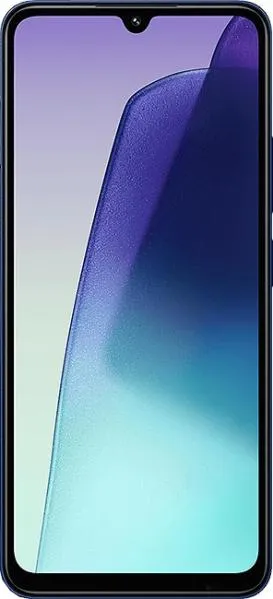
1. Specifications Comparison
| Feature | Samsung Galaxy Tab S9 FE | Xiaomi Redmi 14C | Practical Impact |
|---|---|---|---|
| Design | |||
| Dimensions | 254.3 x 165.8 x 6.5 mm | 171.9 x 77.8 x 8.2 mm | Tab S9 FE significantly larger; Redmi 14C more pocketable. Tab S9 FE thinner. |
| Weight | 523g | 211g | Tab S9 FE much heavier due to larger size; less portable for extended use. |
| Build | Not specified | Not specified | Build quality and materials unknown, limiting comparison. |
| Display | |||
| Size | 10.9" | 6.88" | Tab S9 FE significantly larger screen for media consumption and multitasking; Redmi 14C more one-hand friendly. |
| Type | IPS LCD, 90Hz | IPS LCD, 120Hz, 450 nits (typ), 600 nits (HBM) | Both are LCDs, but Redmi 14C has a higher refresh rate (smoother scrolling/animations) and specified brightness (potentially better visibility outdoors). |
| Resolution | 1440 x 2304 | 720 x 1640 | Tab S9 FE much sharper display (249 ppi vs 260 ppi, but on a much larger screen); Redmi 14C lower resolution might appear pixelated. |
| Performance | |||
| Chipset | Exynos 1380 (5nm) | Mediatek Helio G81 Ultra | Exynos 1380 likely offers significantly better performance based on benchmarks and node size; smoother multitasking and demanding tasks. |
| CPU | Octa-core (4x2.4 GHz Cortex-A78 & 4x2.0 GHz Cortex-A55) | Octa-core (2x2.0 GHz Cortex-A75 & 6x1.8 GHz Cortex-A55) | Tab S9 FE has faster and more powerful CPU cores, leading to better overall performance. |
| GPU | Mali-G68 MP5 | Mali-G52 MC2 | Tab S9 FE has a more powerful GPU, beneficial for gaming and graphics-intensive applications. |
| RAM/Storage | 256GB/8GB RAM | 128GB/6GB RAM, 128GB/8GB RAM | Tab S9 FE offers more base storage; both have sufficient RAM for everyday tasks, but 8GB is preferable for multitasking. |
| Other | |||
| Battery | 8000 mAh | 5160 mAh | Tab S9 FE has much larger battery capacity, expecting significantly longer battery life considering the larger display. |
| OS | Android 13 | Android 14 | Redmi 14C ships with a newer Android version, potentially offering newer features and longer software support. |
| NFC | No | Yes | Redmi 14C supports contactless payments and data transfer via NFC. |
2. Key Differences Analysis
Samsung Galaxy Tab S9 FE Advantages:
- Significantly larger and sharper display: Better for media consumption, multitasking, and productivity.
- More powerful processor and GPU: Smoother performance for demanding tasks and gaming.
- Larger battery: Longer battery life.
- More base storage: More space for apps, photos, and videos.
Xiaomi Redmi 14C Advantages:
- More portable: Smaller and lighter, easier to carry and use one-handed.
- Higher refresh rate display: Smoother scrolling and animations.
- NFC support: Enables contactless payments and data transfer.
- Lower price: Likely more affordable given the specifications.
- Newer Android Version: Potentially longer software updates and newer features out of the box.
3. User Profiles & Recommendations
Samsung Galaxy Tab S9 FE: Ideal for users who prioritize a large, high-quality display for media consumption, productivity, and creative tasks. Good for students, artists, or anyone who needs a portable "laptop replacement."
Xiaomi Redmi 14C: Suitable for users who prioritize portability, affordability, and basic smartphone functionality. Good for users who primarily use their phone for communication, social media, and light browsing.
4. Decision Framework
Key Questions for Buyers:
- What screen size do you prefer? Large screen for media consumption or a smaller, more pocketable device?
- What is your budget? The Tab S9 FE is likely more expensive.
- What performance level do you need? Demanding tasks and gaming require a powerful processor and GPU.
My Choice: Samsung Galaxy Tab S9 FE
While the Redmi 14C offers a newer OS and NFC, the Samsung Galaxy Tab S9 FE is the superior device for my needs. I prioritize a large, high-quality display for productivity and media consumption, and the Tab S9 FE excels in this area. The significantly more powerful processor and larger battery are also crucial for my workflow. I'm willing to sacrifice portability and NFC for the superior overall experience offered by the Tab S9 FE. The lack of specific brightness information for the Tab S9 FE is a concern, but the generally superior specifications make it the compelling choice.
