1. Specifications Comparison
| Feature | Samsung Galaxy Tab S9 FE | Xiaomi Redmi 13C 5G | Practical Impact |
|---|---|---|---|
| Design | |||
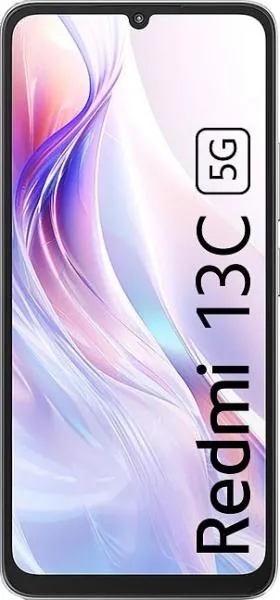
| Dimensions | 254.3 x 165.8 x 6.5 mm | 168 x 78 x 8.1 mm | The Tab S9 FE is significantly larger, reflecting its tablet nature, less pocketable. Redmi 13C is a standard smartphone size. |
| Weight | 523g | 192g | The Tab S9 FE is much heavier, impacting portability for extended use. |
| Display | |||
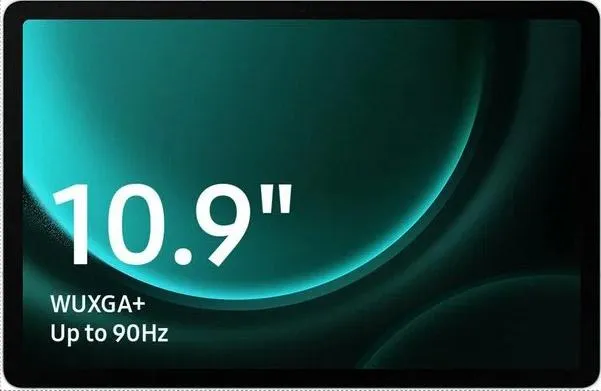
| Size | 10.9" | 6.74" | Larger display on Tab S9 FE offers more immersive content consumption but less one-handed usability. |
| Type | IPS LCD, 90Hz | IPS LCD, 90Hz | Both offer smooth scrolling and animations, but IPS LCD may have limitations in color accuracy and viewing angles compared to OLED. |
| Resolution | 1440 x 2304 | 720 x 1600 | Significantly sharper visuals on the Tab S9 FE due to higher resolution and pixel density (249 vs 260 ppi - difference negligible in practice). |
| Brightness (Peak) | Not specified | Not specified but typical 450nits, High Brightness Mode 600nits | Insufficient data to compare peak brightness. Impacts outdoor visibility. |
| Performance | |||
| Chipset | Exynos 1380 (5nm) | Mediatek Dimensity 6100+ (6nm) | Both are mid-range chipsets. Exynos 1380 is generally considered more powerful based on benchmarks, though real-world difference may vary. |
| CPU | Octa-core (4x2.4 GHz Cortex-A78 & 4x2.0 GHz Cortex-A55) | Octa-core (2x2.2 GHz Cortex-A76 & 6x2.0 GHz Cortex-A55) | Slight architectural differences. Exynos 1380 likely offers a performance edge in demanding tasks. |
| GPU | Mali-G68 MP5 | Mali-G57 MC2 | Tab S9 FE's GPU is significantly more powerful, beneficial for gaming and graphics-intensive applications. |
| RAM/Storage | 8GB/256GB | 6GB/128GB | Tab S9 FE offers more RAM and storage, enabling smoother multitasking and more space for apps and files. |
| Battery | |||
| Capacity | 8000 mAh | 5000 mAh | Larger battery in the Tab S9 FE should provide significantly longer battery life. |
| Other | |||
| OS | Android 13 | Android 13 | Both run on the latest Android version. Future OS update support is unclear for Redmi 13C ("os_max_version":""). |
| NFC | No | No | Neither phone supports contactless payments. |
2. Key Differences Analysis
Samsung Galaxy Tab S9 FE Advantages:
- Larger, higher resolution display: Better for media consumption, multitasking, and creative tasks.
- More powerful processor and GPU: Smoother performance for demanding applications and games.
- Larger battery: Significantly longer usage time between charges.
- More RAM and storage: Better multitasking and ample space for files.
Xiaomi Redmi 13C 5G Advantages:
- Smaller and lighter: More portable and pocketable for everyday use.
- Potentially lower price: Though both are mid-range, the Redmi 13C is likely more affordable.
3. User Profiles & Recommendations
Samsung Galaxy Tab S9 FE: Ideal for users who prioritize media consumption, productivity on the go, creative tasks (drawing, note-taking), and gaming. Students, artists, and professionals who need a larger screen would benefit.
Xiaomi Redmi 13C 5G: Suitable for users who prioritize portability, basic communication, and casual web browsing. Budget-conscious users looking for a simple, functional smartphone would find it adequate.
4. Decision Framework
Key Questions for Buyers:
- What is your primary use case? (Media consumption, productivity, communication)
- How important is portability? (Pocketability vs. screen size)
- What is your budget?
Scenario-Based Recommendations:
- Student needing a device for note-taking and media consumption: Samsung Galaxy Tab S9 FE
- Casual user primarily using social media and making calls: Xiaomi Redmi 13C 5G
- Gamer on a budget: Lean towards Tab S9 FE if budget allows for better performance, otherwise consider other options specifically designed for gaming in the same price range as Redmi 13C.
My Choice: Samsung Galaxy Tab S9 FE
While the Xiaomi Redmi 13C 5G offers a more portable and potentially more affordable option, the Samsung Galaxy Tab S9 FE's superior performance, larger and sharper display, and significantly longer battery life make it the better choice for my needs. I prioritize productivity, media consumption, and occasional gaming, all of which benefit from the Tab S9 FE's strengths. The larger screen is a significant advantage for these tasks. I am willing to compromise on portability for the enhanced user experience offered by the Tab S9 FE. The lack of clear information on max OS version for the Redmi 13C is also concerning from a long-term perspective.
