1. Specifications Comparison
| Feature | Samsung Galaxy Tab S9 FE | Xiaomi Redmi 13C | Practical Impact |
|---|---|---|---|
| Design | |||
| Dimensions | 254.3 x 165.8 x 6.5 mm | 168 x 78 x 8.1 mm | The Tab S9 FE is significantly larger, reflecting its tablet nature. The Redmi 13C is a typical smartphone size, easier for one-handed use. |
| Weight | 523g | 192g | The Tab S9 FE is much heavier, less portable for extended use. The Redmi 13C is lighter and more pocketable. |
| Display | |||
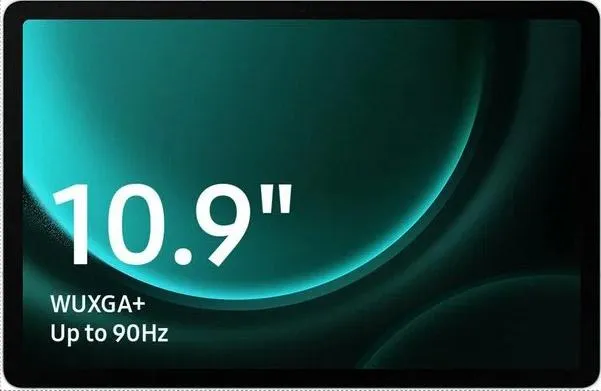
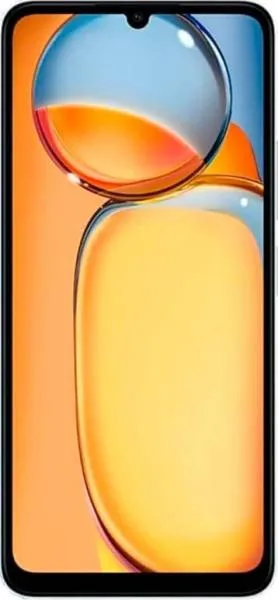
| Size | 10.9" | 6.74" | Larger display on the Tab S9 FE offers more immersive content consumption but less portability. |
| Type | IPS LCD, 90Hz | IPS LCD, 90Hz | Both offer smooth scrolling and animations thanks to the 90Hz refresh rate. However, IPS LCDs generally have less vibrant colors and lower contrast than AMOLED displays. |
| Resolution | 1440 x 2304 | 720 x 1600 | Significantly sharper visuals on the Tab S9 FE due to higher resolution. Redmi 13C's lower resolution may result in pixelation. |
| PPI | 249 | 260 | Despite lower resolution, Redmi 13C has slightly higher pixel density due to smaller screen size, negligibly impacting sharpness in real-world usage. |
| Performance | |||
| Chipset | Exynos 1380 (5nm) | Mediatek Helio G85 (12nm) | Tab S9 FE boasts a significantly more powerful and efficient processor, resulting in smoother multitasking, faster app loading, and better gaming performance. |
| CPU | Octa-core (4x2.4 GHz Cortex-A78 & 4x2.0 GHz Cortex-A55) | Octa-core (2x2.0 GHz Cortex-A75 & 6x1.8 GHz Cortex-A55) | The Tab S9 FE's CPU architecture is more modern and powerful, leading to a noticeable performance difference. |
| GPU | Mali-G68 MP5 | Mali-G52 MC2 | Tab S9 FE's GPU is considerably more powerful, providing a better gaming and graphics-intensive application experience. |
| RAM/Storage | 8GB/256GB | 6GB/128GB or 8GB/256GB | Tab S9 FE offers more RAM in the provided configuration, enabling smoother multitasking. Both offer reasonable storage options. |
| Battery | |||
| Capacity | 8000 mAh | 5000 mAh | The Tab S9 FE has a much larger battery, likely offering significantly longer battery life, especially considering its larger display. |
| Other | |||
| NFC | No | Yes | Redmi 13C supports contactless payments and data transfer via NFC, while the Tab S9 FE lacks this feature. |
| Price Range | Medium | Low | Redmi 13C is significantly more affordable. |
2. Key Differences Analysis
Samsung Galaxy Tab S9 FE Advantages:
- Significantly more powerful: Superior processor, GPU, and more RAM translate to a smoother and faster user experience.
- Larger, sharper display: Immersive for media consumption and multitasking.
- Longer battery life: Larger battery capacity suggests significantly extended usage time.
Xiaomi Redmi 13C Advantages:
- More affordable: Significantly lower price point.
- More portable: Smaller and lighter, easier for one-handed use and portability.
- NFC functionality: Enables contactless payments and data transfer.
Trade-offs:
- Tab S9 FE: Higher price, larger size and weight might not be suitable for everyone. Lack of NFC is a notable omission.
- Redmi 13C: Lower performance, less sharp display, and shorter battery life are compromises for affordability.
3. User Profiles & Recommendations
Samsung Galaxy Tab S9 FE: Ideal for users who prioritize performance, a large and sharp display for media consumption, productivity tasks, and gaming. Suitable for students, professionals, and those who consume a lot of media.
Xiaomi Redmi 13C: Best suited for budget-conscious users who prioritize affordability and portability for basic tasks like calling, texting, browsing, and social media. A good option for a secondary device or for users with light usage needs.
4. Decision Framework
Key Questions:
- What is your budget? The Redmi 13C is a budget option, while the Tab S9 FE is a mid-range device.
- What is your primary use case? Media consumption, productivity, or basic communication?
- Do you prioritize portability or screen size? The Redmi 13C is more portable, while the Tab S9 FE offers a larger display.
My Choice: Samsung Galaxy Tab S9 FE
While the Redmi 13C is an attractive budget option, the Samsung Galaxy Tab S9 FE is my choice. The significantly superior performance, larger and sharper display, and longer battery life are crucial for my usage. I prioritize a smooth and responsive experience for productivity, media consumption, and occasional gaming. The lack of NFC is a drawback, but the overall performance and user experience benefits outweigh this for me. I am willing to pay the premium for the long-term value and enhanced capabilities the Tab S9 FE offers. I also prefer the larger screen of a tablet. While portability is important, I value performance and screen real estate more.
