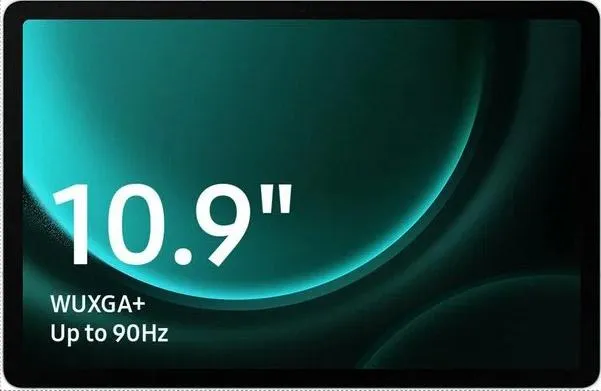
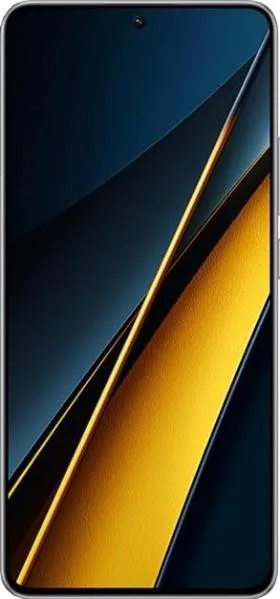
1. Specifications Comparison
| Feature | Samsung Galaxy Tab S9 FE | Xiaomi Poco X6 Pro | Practical Impact |
|---|---|---|---|
| Design | |||
| Dimensions | 254.3 x 165.8 x 6.5 mm | 160.5 x 74.3 x 8.3 mm | Tab S9 FE is significantly larger, reflecting its tablet nature. Poco X6 Pro is a more pocketable smartphone. |
| Weight | 523g | 186g | The Tab S9 FE is much heavier, less suitable for one-handed use. |
| Build | Not specified | Not specified | Build quality and materials cannot be compared due to lack of information. |
| Display | |||
| Size | 10.9" | 6.67" | Larger display on the Tab S9 FE offers more screen real estate for multitasking and media consumption. |
| Type | IPS LCD | AMOLED | AMOLED on the Poco X6 Pro generally offers better contrast, deeper blacks, and potentially lower power consumption. |
| Resolution | 1440 x 2304 | 1220 x 2712 | Similar pixel density (Tab S9 FE: 249 ppi, Poco X6 Pro: 446 ppi) despite the size difference, resulting in sharp visuals on both. Higher ppi on the Poco X6 Pro contributes to sharper text and images. |
| Refresh Rate | 90Hz | 120Hz | Smoother animations and scrolling on the Poco X6 Pro due to the higher refresh rate. |
| Peak Brightness | Not specified | 1800 nits | Poco X6 Pro's superior peak brightness ensures better visibility in direct sunlight. Lack of data for the Tab S9 FE prevents a direct comparison. |
| Performance | |||
| Chipset | Exynos 1380 (5nm) | Mediatek Dimensity 8300 Ultra (4nm) | The Dimensity 8300 Ultra is generally expected to offer better performance and efficiency due to its newer architecture and manufacturing process. |
| CPU | Octa-core (4x2.4 GHz Cortex-A78 & 4x2.0 GHz Cortex-A55) | Octa-core (1x3.35 GHz Cortex-A715 & 3x3.20 GHz Cortex-A715 & 4x2.20 GHz Cortex-A510) | The Poco X6 Pro's CPU configuration suggests a potential performance advantage in demanding tasks. |
| GPU | Mali-G68 MP5 | Mali G615-MC6 | Difficult to compare without benchmarks. Both should handle everyday tasks and gaming well, though the newer architecture in the Poco X6 Pro might offer a slight edge. |
| RAM/Storage | 8GB/256GB | 12GB/256GB or 12GB/512GB | Poco X6 Pro offers more RAM and storage options, beneficial for multitasking and large files. |
| Battery | |||
| Capacity | 8000 mAh | 5000 mAh | Significantly larger battery on the Tab S9 FE, expected to provide longer battery life considering its larger display. |
| Other | |||
| OS | Android 13 | Android 14 | Poco X6 Pro ships with the newer Android version, offering potential feature and security advantages. |
| NFC | No | Yes | Poco X6 Pro allows for contactless payments and data transfer via NFC. |
2. Key Differences Analysis
Samsung Galaxy Tab S9 FE Advantages:
- Larger Display: Better for media consumption and multitasking.
- Larger Battery: Potentially longer battery life.
Xiaomi Poco X6 Pro Advantages:
- Higher Performance: More powerful chipset and more RAM.
- Better Display Quality: AMOLED with higher refresh rate and brightness.
- More Compact: Easier to carry and use one-handed.
- NFC: Enables contactless payments.
- Newer OS: Android 14 out of the box.
Trade-offs:
- Tab S9 FE: Larger size and weight for longer battery life and bigger screen.
- Poco X6 Pro: Smaller battery for better portability and performance.
3. User Profiles & Recommendations
Samsung Galaxy Tab S9 FE: Ideal for users who prioritize a large screen for media consumption, note-taking, or drawing, and value long battery life. Suitable for students, artists, and those who consume a lot of media on the go.
Xiaomi Poco X6 Pro: Ideal for users who prioritize performance, portability, and a high-quality display in a smartphone form factor. Suitable for gamers, power users, and those who want the latest features.
4. Decision Framework
Key Questions:
- Tablet or Smartphone?: Do you need a large screen for productivity and media, or a pocketable device for everyday use?
- Performance vs. Battery Life: Which is more important: raw processing power or extended usage time?
- Budget and Features: Which phone offers the best value for your specific needs and budget?
My Choice: Xiaomi Poco X6 Pro
While the Tab S9 FE offers a compelling large screen and battery, I would choose the Xiaomi Poco X6 Pro. Its superior performance, brighter and more vibrant AMOLED display with a 120Hz refresh rate, more compact form factor, and inclusion of NFC for mobile payments make it a more versatile and appealing device for my personal needs. I prioritize a smooth and responsive user experience, portability, and the latest features, which the Poco X6 Pro delivers more effectively. The Tab S9 FE feels more niche for specific use cases centered around its larger display.
