1. Specifications Comparison
| Feature | Samsung Galaxy Tab S9 FE | Xiaomi Poco X6 | Practical Impact |
|---|---|---|---|
| Design | |||
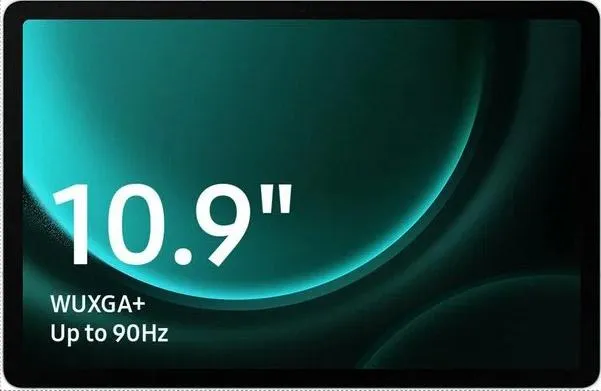
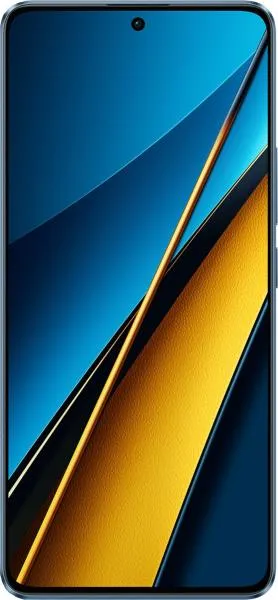
| Dimensions | 254.3 x 165.8 x 6.5 mm | 161.2 x 74.3 x 8 mm | The Tab S9 FE is significantly larger, reflecting its tablet nature, while the Poco X6 is a standard smartphone size. |
| Weight | 523g | 181g | The Tab S9 FE is much heavier, less portable for one-handed use. |
| Build | Not specified | Not specified | Build quality and materials impact durability and premium feel; information is lacking for a complete comparison. |
| Display | |||
| Display Type | IPS LCD, 90Hz | AMOLED, 68B colors, 120Hz, Dolby Vision | AMOLED offers superior contrast, deeper blacks, and potentially better power efficiency. The higher refresh rate on the Poco X6 results in smoother animations. Dolby Vision support enhances HDR content viewing. |
| Size | 10.9 inches | 6.67 inches | Larger screen of the Tab S9 FE provides more immersive content consumption but reduced portability. |
| Resolution | 1440 x 2304 | 1220 x 2712 | Comparable pixel density, but the Poco X6 has a slightly sharper display due to a higher PPI. |
| Peak Brightness | Not specified | 1800 nits | The Poco X6's significantly higher peak brightness ensures better visibility in direct sunlight. Lack of data for the Tab S9 FE hinders comparison. |
| Performance | |||
| Chipset | Exynos 1380 (5 nm) | Snapdragon 7s Gen 2 (4 nm) | Both are mid-range chipsets, but benchmarks are needed to determine real-world performance differences. |
| CPU | Octa-core (4x2.4 GHz Cortex-A78 & 4x2.0 GHz Cortex-A55) | Octa-core (4x2.40 GHz Cortex-A78 & 4x1.95 GHz Cortex-A55) | Very similar CPU configurations; minor clock speed differences likely won't result in noticeable performance variations. |
| GPU | Mali-G68 MP5 | Adreno 710 | Different GPU architectures require benchmarks for objective gaming performance comparison. |
| RAM | 8GB | 12GB | More RAM in the Poco X6 allows for better multitasking and smoother performance with multiple apps. |
| Storage | 256GB | 256GB/512GB | Poco X6 offers a higher storage option for users needing more space. |
| Battery | |||
| Capacity | 8000 mAh | 5100 mAh | The Tab S9 FE boasts a significantly larger battery, likely resulting in longer battery life given its larger display. |
| Other | |||
| OS | Android 13 | Android 13 | Both run on the same OS version at launch. |
| NFC | No | Yes | Poco X6 supports contactless payments and data transfer via NFC. |
2. Key Differences Analysis
Samsung Galaxy Tab S9 FE Advantages:
- Larger Display: More immersive for media consumption, multitasking, and creative tasks.
- Larger Battery: Potentially significantly longer battery life.
Xiaomi Poco X6 Advantages:
- Superior Display Quality: AMOLED with higher refresh rate, wider color gamut, and significantly higher brightness.
- More RAM: Smoother multitasking and better performance with demanding applications.
- NFC: Enables contactless payments and data transfer.
- More Compact and Lighter: Easier to carry and use one-handed.
3. User Profiles & Recommendations
Samsung Galaxy Tab S9 FE: Ideal for users prioritizing media consumption, note-taking, drawing, and other tasks benefiting from a large screen. Students, artists, and entertainment enthusiasts would appreciate this device.
Xiaomi Poco X6: Suitable for users who prefer a more portable and pocketable device with a vibrant display and smooth performance. Ideal for everyday use, social media, gaming, and photography.
4. Decision Framework
Key Questions for Buyers:
- What is your primary use case? (Media consumption, productivity, gaming, communication)
- How important is portability? (One-handed use, pocket-ability vs. larger screen)
- What is your budget? (Consider price differences between storage options)
My Choice: Xiaomi Poco X6
While the Tab S9 FE offers a larger display and battery, the Xiaomi Poco X6 better suits my needs. I prioritize a portable device with a high-quality display for everyday use, including social media, web browsing, and occasional gaming. The AMOLED screen with a 120Hz refresh rate, along with the more powerful chipset and larger RAM, offers a significantly better user experience for my use case. The inclusion of NFC is also crucial for contactless payments. Although battery life might be shorter, the overall package of the Poco X6 is more appealing to me. The Tab S9 FE would be a better fit if I needed a device primarily for media consumption or productivity on a larger screen.
