1. Specifications Comparison
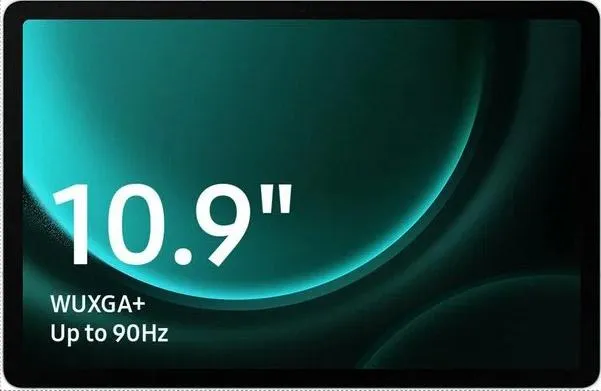
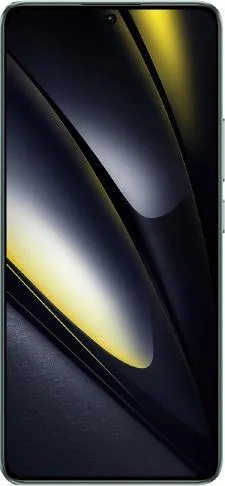
| Feature | Samsung Galaxy Tab S9 FE | Xiaomi Poco F6 | Practical Impact |
|---|---|---|---|
| Design | |||
| Dimensions | 254.3 x 165.8 x 6.5 mm | 160.5 x 74.5 x 8 mm | Tab S9 FE significantly larger, designed for tablet use; Poco F6 is a typical smartphone size. |
| Weight | 523g | 179g | Tab S9 FE much heavier, less portable for one-handed use. |
| USB | USB Type-C 2.0, magnetic connector | USB Type-C 2.0, OTG | Both offer standard charging; magnetic connector on Tab S9 FE may be convenient for some accessories. OTG on Poco F6 allows connection to peripherals. |
| NFC | False | True | Poco F6 enables contactless payments and data transfer via NFC; Tab S9 FE lacks this feature. |
| Display | |||
| Size | 10.9" | 6.67" | Tab S9 FE offers much larger screen real estate for media consumption and multitasking. |
| Type | IPS LCD, 90Hz | AMOLED, 68B colors, 120Hz, HDR10+, Dolby Vision | Poco F6 provides superior contrast, richer colors, smoother scrolling, and better HDR performance. |
| Resolution | 1440 x 2304 | 1220 x 2712 | Comparable pixel density, but Poco F6 slightly sharper due to smaller screen size. |
| Refresh Rate | 90Hz | 120Hz | Poco F6 offers smoother animations and scrolling. |
| Peak Brightness | Not specified | 2400 nits | Poco F6's significantly higher peak brightness ensures excellent outdoor visibility; Tab S9 FE's unspecified brightness limits assessment. |
| Performance | |||
| Chipset | Exynos 1380 (5 nm) | Snapdragon 8s Gen 3 (4 nm) | Poco F6 boasts a more powerful and efficient processor, leading to significantly better performance in demanding tasks and gaming. |
| CPU | Octa-core (4x2.4 GHz Cortex-A78 & 4x2.0 GHz Cortex-A55) | Octa-core (1x3.0 GHz Cortex-X4 & 4x2.8 GHz Cortex-A720 & 3x2.0 GHz Cortex-A520) | Poco F6's CPU architecture is more modern and powerful. |
| GPU | Mali-G68 MP5 | Adreno 735 | Poco F6 offers superior graphics performance for gaming and visually intensive applications. |
| RAM/Storage | 256GB/8GB RAM | 512GB/12GB RAM | Poco F6 offers more RAM and storage, enabling smoother multitasking and ample space for files. |
| Battery | |||
| Capacity | 8000 mAh | 5000 mAh | Tab S9 FE has larger battery capacity, likely offering longer battery life despite larger screen size; real-world usage will vary. |
| Camera | |||
| Video Capabilities | 4K@30fps, 1080p@30fps | 4K@30/60fps (EIS), 1080p@30/60/120/240fps (EIS) | Poco F6 offers significantly more versatile video recording options with higher frame rates and Electronic Image Stabilization (EIS). |
2. Key Differences Analysis
Samsung Galaxy Tab S9 FE Advantages:
- Larger Display: Better for media consumption, multitasking, and creative tasks.
- Potentially Longer Battery Life: Larger battery capacity suggests longer usage time.
Xiaomi Poco F6 Advantages:
- Significantly Superior Performance: Faster processor, better GPU, more RAM for smoother and faster overall experience.
- Higher Quality Display: AMOLED with HDR, Dolby Vision, and higher refresh rate provide richer colors, deeper blacks, and smoother visuals.
- More Compact and Portable: Easier to carry and use one-handed.
- NFC: Enables contactless payments.
- Superior Video Recording: More versatile with higher frame rates and EIS.
3. User Profiles & Recommendations
Samsung Galaxy Tab S9 FE: Users who prioritize a large screen for media consumption, note-taking, drawing, or light productivity tasks. Students and creative professionals might find its form factor appealing.
Xiaomi Poco F6: Users who prioritize performance, a high-quality display, and portability. Mobile gamers, power users, and those who value a premium smartphone experience would prefer the Poco F6.
4. Decision Framework
Key Questions for Buyers:
- What is your primary use case? (Media consumption, gaming, productivity, etc.)
- How important is portability?
- What is your budget? (Both are mid-range, but specific pricing may vary.)
Scenario-Based Recommendations:
- Student needing a device for note-taking and media consumption: Tab S9 FE
- Mobile gamer seeking high performance: Poco F6
- Professional needing a portable device for email and productivity on the go: Poco F6
My Choice: Xiaomi Poco F6
While the Tab S9 FE offers a larger screen and potentially longer battery life, the Poco F6's superior performance, display quality, and more compact form factor make it a more compelling device for my needs. I prioritize a smooth and responsive user experience, and the Poco F6's powerful chipset and 120Hz AMOLED display deliver that. The inclusion of NFC for contactless payments is also a significant advantage for daily use. Although the Tab S9 FE is suitable for specific use cases, the Poco F6's versatility and overall superior technology make it the better choice for me.
