1. Specifications Comparison
| Feature | Samsung Galaxy Tab S9 FE | Phone 8 | Practical Impact |
|---|---|---|---|
| Design | |||
| Dimensions | 254.3 x 165.8 x 6.5 mm | 162 x 75.1 x 8.7 mm | Tab S9 FE is significantly larger, indicating a tablet, less pocketable. Phone 8 is a typical smartphone size. |
| Weight | 523g | 191g | Tab S9 FE is much heavier, impacting portability for one-handed use. |
| Display | |||
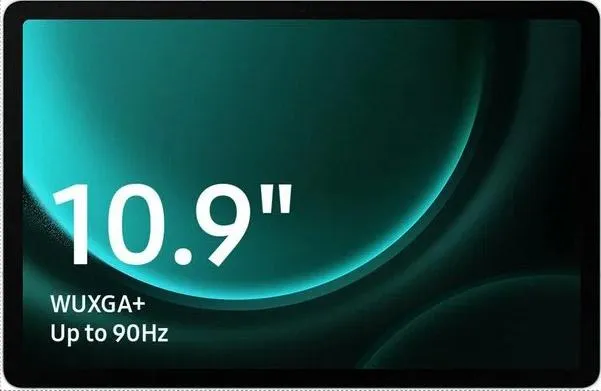
| Size | 10.9" | 6.78" | Larger display on Tab S9 FE offers more screen real estate for multitasking and media consumption. |
| Type | IPS LCD, 90Hz | LTPO AMOLED, 1B colors, 120Hz, HDR | Phone 8 boasts superior display technology with deeper blacks, richer colors, smoother scrolling, and better power efficiency due to LTPO. HDR support enhances video quality. |
| Resolution | 1440 x 2304 | 1264 x 2780 | Comparable pixel density despite size difference (Tab S9 FE: 249 ppi, Phone 8: 450 ppi). Phone 8 will have sharper text and images. |
| Peak Brightness | Not specified | 6000 nits | Phone 8's exceptional peak brightness ensures excellent outdoor visibility. Missing data for Tab S9 FE prevents comparison. |
| Refresh Rate | 90Hz | 120Hz | Phone 8 offers smoother animations and scrolling with its higher refresh rate. |
| Performance | |||
| Chipset | Exynos 1380 (5 nm) | Snapdragon 7+ Gen 3 (4 nm) | Snapdragon 7+ Gen 3 is generally considered a more powerful and efficient chip, likely leading to better performance and battery life in Phone 8. |
| CPU | Octa-core (4x2.4 GHz Cortex-A78 & 4x2.0 GHz Cortex-A55) | Octa-core (1x2.8 GHz Cortex-X4 & 4x2.6 GHz Cortex-A720 & 3x1.9 GHz Cortex-A520) | Phone 8 has a more modern CPU architecture, promising superior performance, especially in demanding tasks. |
| GPU | Mali-G68 MP5 | Adreno 732 | Difficult to compare directly without benchmarks, but Adreno 732 is expected to provide better gaming performance. |
| RAM/Storage | 8GB/256GB | 12GB/512GB | Phone 8 offers more RAM and storage, enabling smoother multitasking and ample space for apps and files. |
| Battery | |||
| Capacity | 8000 mAh | 5500 mAh | Tab S9 FE has a much larger battery, likely providing longer battery life despite its larger display. However, real-world usage will depend on optimization. |
| Other | |||
| OS | Android 13 | Android 14 | Phone 8 comes with a newer Android version, offering potential features and security updates. |
| NFC | No | Yes | Phone 8 supports contactless payments and data transfer via NFC. |
2. Key Differences Analysis
Samsung Galaxy Tab S9 FE Advantages:
- Larger Display: Better for multitasking, media consumption, and creative tasks.
- Larger Battery: Potentially longer battery life.
Phone 8 Advantages:
- Superior Display Quality: Brighter, more vibrant, and smoother.
- More Powerful Performance: Faster processing and better gaming experience.
- More RAM and Storage: Smoother multitasking and ample storage space.
- Newer OS: Access to the latest Android features and security updates.
- NFC: Enables contactless payments.
- More Portable: Significantly smaller and lighter.
3. User Profiles & Recommendations
Samsung Galaxy Tab S9 FE: Ideal for users who prioritize a large screen for entertainment, productivity, or creative work. Students, artists, and those who consume a lot of media would benefit.
Phone 8: Suitable for users who value performance, portability, a high-quality display, and the latest features. Gamers, power users, and those who prioritize a premium smartphone experience would prefer this device.
4. Decision Framework
Key Questions:
- What is your primary use case? (Entertainment, productivity, gaming, communication)
- How important is portability?
- What is your budget? (Both are mid-range, but actual pricing may vary)
Scenario-Based Recommendations:
- Student needing a device for note-taking and media consumption: Tab S9 FE.
- Gamer seeking high performance and a great display: Phone 8.
- Professional needing a portable device for communication and productivity: Phone 8.
My Choice: Phone 8
While the Tab S9 FE offers a larger screen and battery, the Phone 8's superior display, performance, more modern features (like NFC), and portability make it a more compelling device for my needs. I prioritize a smooth and responsive user experience, a high-quality display for media consumption, and the convenience of a pocketable device. The Snapdragon 7+ Gen 3, coupled with 12GB RAM and a brighter, higher refresh rate display, offers a significantly better overall experience for everyday use and demanding tasks. Although the Tab S9 FE's larger battery is tempting, the power efficiency of the Phone 8's chipset and LTPO display could potentially offset the difference in battery capacity in real-world usage. The lack of NFC on the Tab S9 FE is also a significant drawback in today's world of contactless transactions. Finally, as a smartphone analyst, having a device that showcases the latest mobile technology is important to me.
