1. Specifications Comparison
| Feature | Samsung Galaxy Tab S9 FE | Nothing Phone (2a) | Practical Impact |
|---|---|---|---|
| Design | |||
| Dimensions | 254.3 x 165.8 x 6.5 mm | 161.7 x 76.3 x 8.6 mm | The Tab S9 FE is significantly larger, reflecting its tablet nature. The Phone (2a) is a standard smartphone size. |
| Weight | 523g | 190g | The Tab S9 FE is much heavier, less suitable for one-handed use or extended portability. |
| Build | Not specified | Not specified | Build quality and materials can impact durability and feel, but are not available for comparison. |
| Display | |||
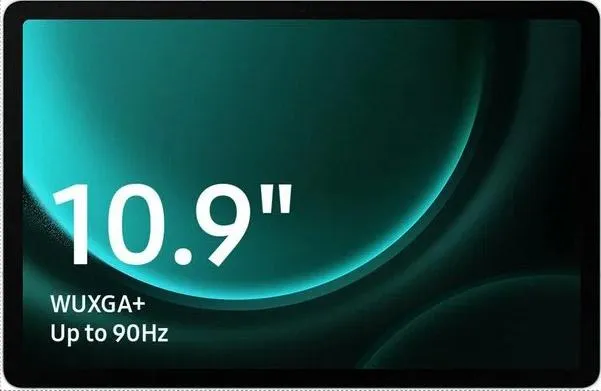
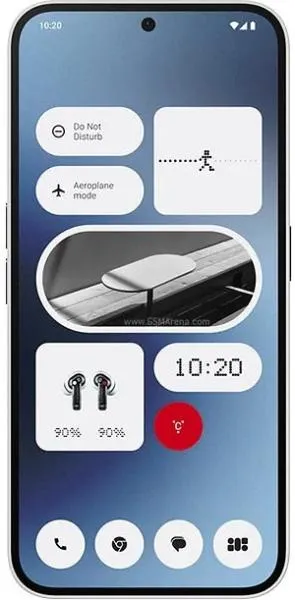
| Size | 10.9" | 6.7" | Larger display on the Tab S9 FE offers more screen real estate for multitasking and media consumption. |
| Type | IPS LCD, 90Hz | AMOLED, 1B colors, 120Hz, HDR10+ | AMOLED on Phone (2a) provides deeper blacks, richer colors, and higher contrast. 120Hz offers smoother scrolling and animations. |
| Resolution | 1440 x 2304 | 1080 x 2412 | Similar pixel density (Tab S9 FE: 249 ppi, Phone (2a): 394 ppi) but the Phone (2a) benefits from AMOLED's inherent sharpness. |
| Peak Brightness | Not specified | 1300 nits | The Phone (2a)'s higher peak brightness ensures better visibility in direct sunlight. The lack of data for the Tab S9 FE limits comparison. |
| Performance | |||
| Chipset | Exynos 1380 (5 nm) | Mediatek Dimensity 7200 Pro (4 nm) | Both are mid-range chipsets, but benchmarks would be needed to determine real-world performance differences. |
| CPU | Octa-core (4x2.4 GHz Cortex-A78 & 4x2.0 GHz Cortex-A55) | Octa-core (2x2.8 GHz Cortex-A715 & 6x 2.0 Cortex-A510) | CPU architectures differ, requiring benchmarks for accurate comparison. |
| GPU | Mali-G68 MP5 | Mali-G610 MC4 | GPU performance differences require benchmark comparisons. |
| RAM | 8GB | 12GB | More RAM on the Phone (2a) allows for more apps to run in the background and smoother multitasking. |
| Storage | 256GB | 256GB | Both offer the same storage capacity. |
| Other | |||
| Battery | 8000 mAh | 5000 mAh | Larger battery in the Tab S9 FE likely offers longer battery life, typical for tablets. |
| OS | Android 13 | Android 14 | Phone (2a) ships with a newer Android version, potentially offering more features and longer software support. |
| NFC | False | True | Phone (2a) supports contactless payments and data transfer via NFC. |
2. Key Differences Analysis
Samsung Galaxy Tab S9 FE Advantages:
- Larger Display: Better for multitasking, media consumption, and creative tasks.
- Larger Battery: Likely significantly longer battery life.
Nothing Phone (2a) Advantages:
- Superior Display Technology: AMOLED offers better contrast, colors, and viewing angles.
- Higher Refresh Rate: Smoother scrolling and more responsive gaming experience.
- More RAM: Enhanced multitasking capabilities.
- Newer Android Version: Access to latest features and potentially longer software updates.
- NFC: Enables contactless payments.
- More Compact and Lighter: Easier to carry and use one-handed.
3. User Profiles & Recommendations
Samsung Galaxy Tab S9 FE: Ideal for users who prioritize a large screen for entertainment, productivity, or creative work. Students, artists, and those who consume a lot of media would benefit.
Nothing Phone (2a): Suitable for users who prefer a pocketable smartphone with a premium display and modern features. Good for general use, gaming, and those who value a smooth user experience.
4. Decision Framework
Key Questions for Buyers:
- What is your primary use case? (Entertainment, productivity, communication, gaming)
- Do you prioritize portability or screen size?
- What is your budget? (Both are mid-range, but actual prices may vary)
Scenario-Based Recommendations:
- Student needing a device for note-taking and media consumption: Samsung Galaxy Tab S9 FE
- Professional who needs a compact phone for communication and occasional gaming: Nothing Phone (2a)
My Choice: Nothing Phone (2a)
While the Tab S9 FE offers a larger display and battery, the Nothing Phone (2a) better suits my needs for a daily driver. The AMOLED display, higher refresh rate, and additional RAM offer a noticeably smoother and more enjoyable user experience. NFC for contactless payments is essential for me, and the more compact form factor makes it significantly more portable. While battery life might be shorter, the trade-off is worth it for the improved display and overall performance in a more pocketable device. The newer Android version also suggests longer-term software support. Finally, as someone sensitive to screen quality, the AMOLED display is a significant deciding factor.
