1. Specifications Comparison
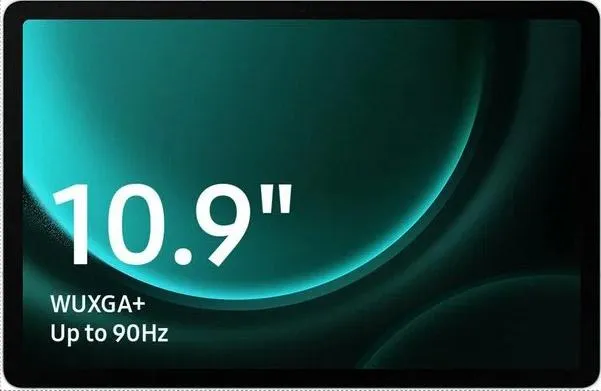
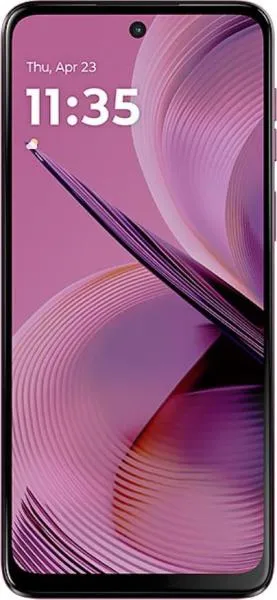
| Feature | Samsung Galaxy Tab S9 FE | Motorola Moto G55 | Practical Impact |
|---|---|---|---|
| Design | |||
| Dimensions | 254.3 x 165.8 x 6.5 mm | 161.6 x 73.8 x 8.1 mm | The Tab S9 FE is significantly larger, indicating it's a tablet, while the Moto G55 is a standard smartphone size. Portability is significantly different. |
| Weight | 523g | 179g | The Tab S9 FE is much heavier, less suitable for one-handed use or extended holding. |
| Display | |||
| Size | 10.9" | 6.49" | Larger display on the Tab S9 FE offers more immersive content consumption but reduced portability. |
| Type | IPS LCD, 90Hz | IPS LCD, 120Hz | Both are LCDs, but the Moto G55's 120Hz offers smoother scrolling and animations. |
| Resolution | 1440 x 2304 | 1080 x 2400 | Higher resolution on the Tab S9 FE results in sharper images and text, especially noticeable on a larger screen. |
| PPI | 249 | 405 | Higher PPI on the Moto G55 means sharper images despite the smaller screen size. |
| Performance | |||
| Chipset | Exynos 1380 (5nm) | Mediatek Dimensity 7025 (6nm) | Both are mid-range chipsets. Performance differences likely negligible for everyday tasks but may vary in demanding games. |
| CPU | Octa-core (4x2.4 GHz Cortex-A78 & 4x2.0 GHz Cortex-A55) | Octa-core (2x2.5 GHz Cortex-A78 & 6x2.0 GHz Cortex-A55) | Slight CPU differences, practical impact likely minimal for average users. |
| GPU | Mali-G68 MP5 | IMG BXM-8-256 | GPU performance differences are unclear without benchmarks, impacting gaming performance. |
| RAM | 8GB | 8GB | Both offer ample RAM for multitasking. |
| Storage | 256GB | 256GB | Equal storage capacity on both devices. |
| Battery | |||
| Capacity | 8000 mAh | 5000 mAh | Significantly larger battery in the Tab S9 FE should provide much longer battery life. |
| Other | |||
| OS | Android 13 | Android 14 | Moto G55 ships with a newer Android version, potentially offering newer features and longer software support. |
| NFC | No | Yes | Moto G55 supports contactless payments and data transfer via NFC. |
| USB | USB Type-C 2.0, magnetic connector | USB Type-C 2.0 | Both use USB-C, but the magnetic connector on the Tab S9 FE could be convenient for charging and accessories. |
| Video Capabilities | 4K@30fps, 1080p@30fps | 1080p@30fps, 1080p@60fps | Tab S9 FE can record in 4K but only at 30fps. Moto G55 offers smoother 60fps recording at 1080p. |
2. Key Differences Analysis
Samsung Galaxy Tab S9 FE Advantages:
- Larger Display: More immersive for media consumption, multitasking, and creative work.
- Higher Resolution: Sharper images and text.
- Significantly Larger Battery: Much longer usage time between charges.
Motorola Moto G55 Advantages:
- Higher Refresh Rate: Smoother scrolling and animations.
- Higher PPI: Sharper image quality despite the smaller display.
- More Portable: Easier to carry and use one-handed.
- NFC: Enables contactless payments.
- Newer Android Version: Likely longer software support and newer features.
Trade-offs:
- The Tab S9 FE sacrifices portability for a larger screen and battery life.
- The Moto G55 sacrifices screen real estate and battery life for portability and a smoother display.
3. User Profiles & Recommendations
Samsung Galaxy Tab S9 FE: Ideal for users who prioritize media consumption, creative tasks, multitasking, and long battery life. Suitable for students, artists, and those who prefer a larger screen experience.
Motorola Moto G55: Ideal for users who prioritize portability, a smooth display, NFC functionality, and a more affordable price point. Suitable for users who primarily use their phone for communication, social media, and everyday tasks.
4. Decision Framework
Key Questions for Buyers:
- What is your primary use case? (Media consumption, productivity, communication)
- How important is portability?
- What is your budget?
My Choice: Motorola Moto G55
While the Samsung Galaxy Tab S9 FE offers a compelling larger screen and longer battery life, I would choose the Motorola Moto G55. As a smartphone analyst focused on practicality, the Moto G55 better suits my daily needs. Its portability is crucial for my on-the-go lifestyle, and the 120Hz display offers a noticeably smoother user experience. While I appreciate the Tab S9 FE's larger display for media consumption, I find that I consume most content on my laptop or a dedicated tablet, making the Moto G55's portability a more significant factor in my decision. Additionally, having NFC for mobile payments is essential for me. While the Tab S9 FE has a larger battery, the Moto G55's battery is sufficient for a full day of moderate use. Finally, the newer Android version on the Moto G55 suggests longer software updates and potentially newer features.
