1. Specifications Comparison
| Feature | Samsung Galaxy Tab S9 FE | Motorola Moto G Stylus 5G (2024) | Practical Impact |
|---|---|---|---|
| Design | |||
| Dimensions | 254.3 x 165.8 x 6.5 mm | 162.6 x 74.8 x 8.3 mm | The Tab S9 FE is significantly larger, reflecting its tablet nature. The Moto G Stylus is a more pocketable phone. |
| Weight | 523g | 190g | The Tab S9 FE is much heavier, less suitable for one-handed use. |
| Stylus | Included | Included | Both offer stylus functionality for note-taking and drawing. |
| Display | |||
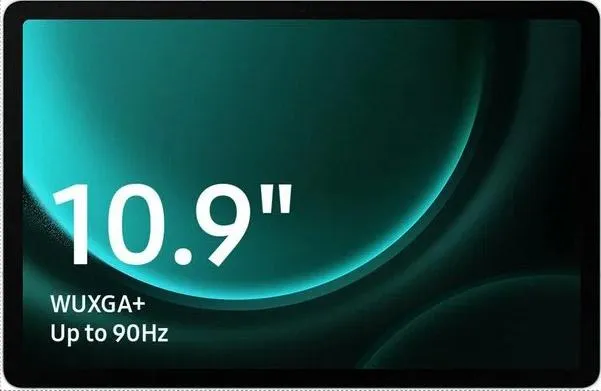
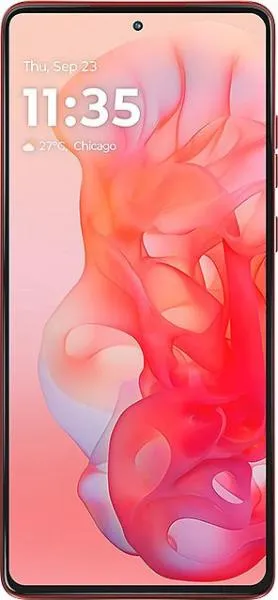
| Size | 10.9" | 6.7" | Larger display on the Tab S9 FE offers more screen real estate for multitasking and media consumption. |
| Type | IPS LCD | P-OLED | P-OLED on the Moto G Stylus generally offers deeper blacks, better contrast, and potentially lower power consumption. |
| Refresh Rate | 90Hz | 120Hz | Smoother scrolling and animations on the Moto G Stylus. |
| Resolution | 1440 x 2304 | 1080 x 2400 | Higher resolution on the Tab S9 FE results in sharper text and images, noticeable on the larger display. |
| Peak Brightness | Not specified | 1200 nits | Moto G Stylus should offer better visibility in bright sunlight. Lack of data for the Tab S9 FE limits comparison. |
| Performance | |||
| Chipset | Exynos 1380 (5nm) | Snapdragon 6 Gen 1 (4nm) | Both offer mid-range performance. Benchmark comparisons would be needed for definitive performance analysis. |
| CPU | Octa-core (4x2.4 GHz Cortex-A78 & 4x2.0 GHz Cortex-A55) | Octa-core (4x2.2 GHz Cortex-A78 & 4x1.8 GHz Cortex-A55) | Slight clock speed differences, practical impact likely minimal without real-world testing. |
| GPU | Mali-G68 MP5 | Adreno 710 | Different GPU architectures; performance differences would require benchmarking and gaming tests. |
| RAM | 8GB | 8GB | Same RAM capacity should provide similar multitasking capabilities. |
| Storage | 256GB | 256GB | Equal storage capacity on both devices. |
| Battery | |||
| Capacity | 8000 mAh | 5000 mAh | Significantly larger battery in the Tab S9 FE likely translates to longer battery life, considering its larger display. |
| Other | |||
| OS | Android 13 | Android 14 | Moto G Stylus ships with a newer Android version. |
| NFC | No | Yes | Moto G Stylus supports contactless payments and data transfer via NFC. |
2. Key Differences Analysis
Samsung Galaxy Tab S9 FE Advantages:
- Larger Display: Better for media consumption, multitasking, and creative tasks.
- Higher Resolution: Sharper visuals on the larger display.
- Significantly Larger Battery: Potentially much longer battery life.
Motorola Moto G Stylus 5G (2024) Advantages:
- More Portable: Smaller and lighter, easier for one-handed use and portability.
- P-OLED Display: Superior contrast and deeper blacks.
- Higher Refresh Rate: Smoother animations and scrolling.
- Brighter Display: Better outdoor visibility.
- NFC: Enables contactless payments.
- Newer Android Version: May offer newer features and longer software support.
3. User Profiles & Recommendations
Samsung Galaxy Tab S9 FE: Ideal for users who prioritize a large screen for media consumption, productivity (with keyboard accessory), drawing, and note-taking. Students, artists, and those who consume a lot of media would benefit.
Motorola Moto G Stylus 5G (2024): Suitable for users who need a phone-sized device with stylus functionality. Good for note-taking on the go, quick sketches, and general smartphone usage. Its portability and NFC functionality make it a good option for everyday use.
4. Decision Framework
Key Questions for Buyers:
- Tablet or Phone?: Do you need a large screen for productivity and media or a pocketable device for everyday communication?
- Display Quality vs. Battery Life: Is a vibrant, high-refresh-rate display more important, or do you prioritize long battery life?
- Stylus Use Case: How heavily will you rely on the stylus? Is it for casual note-taking or professional drawing/note-taking?
My Choice:
I would choose the Motorola Moto G Stylus 5G (2024). While the Tab S9 FE offers a tempting large display and huge battery, my personal need is for a device that's easily portable and can handle everyday tasks efficiently. The Moto G Stylus's OLED display, 120Hz refresh rate, NFC functionality, and more manageable size make it a better fit for my lifestyle. The inclusion of a stylus for quick notes and sketches is a bonus, and the newer Android OS suggests potentially longer software updates. I prioritize portability and modern features over screen size in a phone. If I needed a larger screen for productivity, I'd consider a dedicated tablet alongside a phone rather than a large-screen phone-tablet hybrid.
