1. Specifications Comparison
| Feature | Samsung Galaxy Tab S9 FE | Huawei Pura 70 Pro | Practical Impact |
|---|---|---|---|
| Design | |||
| Dimensions | 254.3 x 165.8 x 6.5 mm | 162.6 x 75.1 x 8.4 mm | The Tab S9 FE is significantly larger, reflecting its tablet nature; the Pura 70 Pro is a more typical smartphone size. |
| Weight | 523g | 220g | The Tab S9 FE is much heavier, less portable for one-handed use. |
| Display | |||
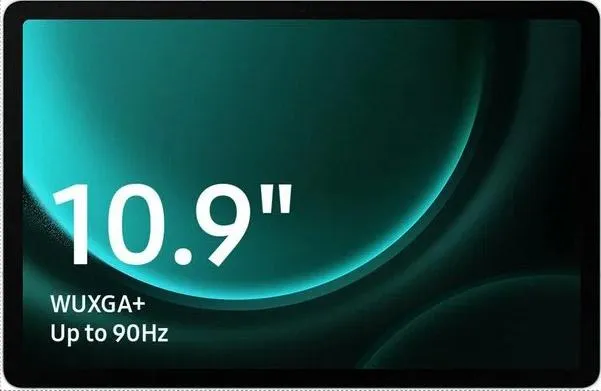
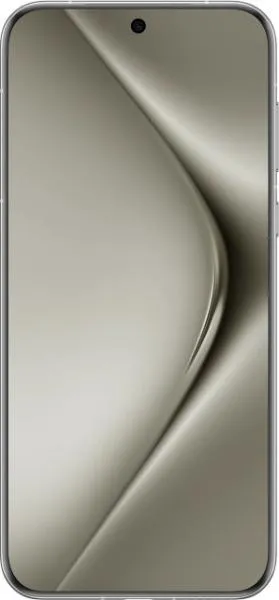
| Size | 10.9" | 6.8" | Tab S9 FE offers a much larger screen for media consumption and multitasking; Pura 70 Pro is more pocketable. |
| Type | IPS LCD, 90Hz | LTPO OLED, 120Hz | Pura 70 Pro's OLED offers deeper blacks, higher contrast, and potentially better power efficiency due to LTPO; Tab S9 FE's LCD might be brighter in direct sunlight. |
| Resolution | 1440 x 2304 | 1260 x 2844 | Both offer sharp visuals; Pura 70 Pro has a slightly higher pixel density (460 ppi vs 249 ppi). |
| Refresh Rate | 90Hz | 120Hz | Pura 70 Pro will offer smoother scrolling and animations. |
| Peak Brightness | Not specified | 2500 nits | Pura 70 Pro's exceptional brightness ensures excellent outdoor visibility. Lack of data for Tab S9 FE prevents comparison. |
| Performance | |||
| Chipset | Exynos 1380 (5nm) | Kirin 9010 (7nm) | Difficult to compare directly without benchmarks. Kirin 9010 is likely more powerful given the smaller process node, but real-world performance depends on optimization. |
| CPU | Octa-core (4x2.4 GHz Cortex-A78 & 4x2.0 GHz Cortex-A55) | Octa-core (1x2.3 GHz Taishan Big & 3x2.18 GHz Taishan Mid & 4x1.55 GHz Cortex-A510) | Different core architectures make direct comparison challenging. |
| GPU | Mali-G68 MP5 | 8 (Unspecified) | Insufficient information on Pura 70 Pro's GPU to compare performance. |
| RAM/Storage | 8GB/256GB | 12GB/512GB or 12GB/1TB | Pura 70 Pro offers significantly more RAM and storage in both configurations. |
| Battery | |||
| Capacity | 8000 mAh | 5050 mAh | Tab S9 FE has a much larger battery, likely providing longer battery life given its larger display. |
| Other | |||
| OS | Android 13 | Not specified | A major gap in information. OS significantly impacts user experience. Without details on the Pura 70 Pro's OS, a key comparison is missing. |
| NFC | No | Yes | Pura 70 Pro supports contactless payments and data transfer via NFC. |
| USB | USB Type-C 2.0 | USB Type-C 3.1, OTG, DisplayPort 1.2 | Pura 70 Pro offers faster data transfer, device connectivity (OTG), and video output (DisplayPort). |
2. Key Differences Analysis
Samsung Galaxy Tab S9 FE Advantages:
- Larger Display: Better for media consumption, multitasking, and creative tasks.
- Larger Battery: Potentially significantly longer battery life.
Huawei Pura 70 Pro Advantages:
- Superior Display Quality: OLED with higher refresh rate, brightness, and contrast.
- More RAM and Storage: Smoother multitasking and ample space for files.
- More Advanced Connectivity: NFC, USB 3.1, DisplayPort.
- More Compact and Lighter: Easier to carry and use one-handed.
3. User Profiles & Recommendations
Samsung Galaxy Tab S9 FE: Students, artists, media consumers who prioritize a large screen and long battery life.
Huawei Pura 70 Pro: Users who value a premium display, strong performance, compact design, and advanced features like NFC and DisplayPort.
4. Decision Framework
Key Questions:
- Tablet or Smartphone? Do you need the larger screen of a tablet or the portability of a smartphone?
- Display Quality vs. Battery Life? Which is more important: a vibrant OLED screen or extended battery life?
- OS and Ecosystem? Which operating system and app ecosystem do you prefer (assuming the Huawei phone runs HarmonyOS)? This is crucial but currently unanswerable due to missing OS information.
My Choice:
I would lean towards the Samsung Galaxy Tab S9 FE, but with significant reservations due to the missing information on the Huawei Pura 70 Pro's OS.
Reasoning:
My primary need is a device for media consumption, reading, and note-taking, making the larger display and longer battery life of the Tab S9 FE highly appealing. However, the lack of crucial details about the Pura 70 Pro's OS and GPU makes a definitive comparison impossible. If the Pura 70 Pro runs a fully functional OS with access to a robust app ecosystem and has a comparable GPU, it could be the superior choice due to its higher quality display and more advanced features. The missing information prevents a confident recommendation for the Huawei phone. The known advantages of the Samsung tablet, coupled with the uncertainty surrounding the Huawei phone, make the Tab S9 FE the safer choice based on the available data.
