1. Specifications Comparison
| Feature | Samsung Galaxy Tab S9 FE | Apple iPhone 16 Plus | Practical Impact |
|---|---|---|---|
| Design | |||
| Dimensions | 254.3 x 165.8 x 6.5 mm | 160.9 x 77.8 x 7.8 mm | The Tab S9 FE is significantly larger, geared towards media consumption and productivity on the go; the iPhone 16 Plus is a large phone, but pocketable. |
| Weight | 523g | 199g | The Tab S9 FE is much heavier, less suitable for one-handed use. |
| Build | Material specifications missing for both devices, limiting comparison of durability and premium feel. | ||
| Display | |||
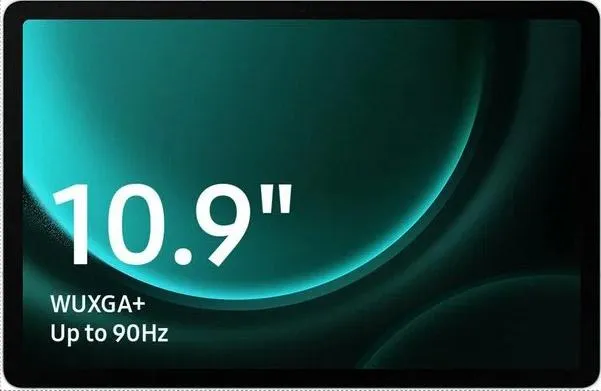
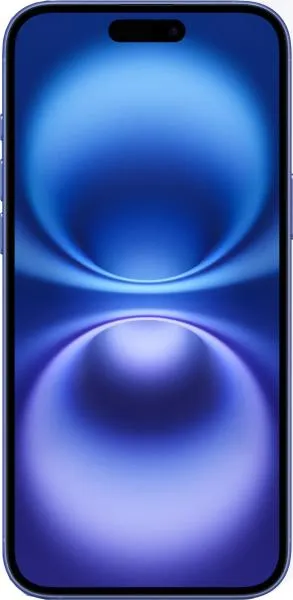
| Size | 10.9" | 6.7" | Larger display on the Tab S9 FE provides more screen real estate for multitasking and media. |
| Type | IPS LCD, 90Hz | Super Retina XDR OLED, HDR10, Dolby Vision | Superior contrast, colors, and potentially higher brightness on the iPhone due to OLED technology. 90Hz on the Tab S9 FE offers smoother scrolling than a standard 60Hz display, although the iPhone's refresh rate isn't specified. |
| Resolution | 1440 x 2304 | 1290 x 2796 | Comparable sharpness despite size difference, both offering crisp visuals. |
| PPI | 249 | 460 | Significantly higher pixel density on the iPhone results in sharper text and images. |
| Performance | |||
| Chipset | Exynos 1380 (5 nm) | Apple A18 (3 nm) | The A18 is expected to significantly outperform the Exynos 1380 in speed and efficiency due to Apple's chip design prowess and more advanced manufacturing process. |
| CPU | Octa-core (4x2.4 GHz Cortex-A78 & 4x2.0 GHz Cortex-A55) | Hexa-core (2x4.04 GHz + 4x2.20 GHz) | Raw clock speeds suggest a performance advantage for the A18, though core architecture differences make direct comparison difficult. |
| GPU | Mali-G68 MP5 | Apple GPU (5-core graphics) | Apple's custom GPUs generally offer leading performance in mobile devices, likely outperforming the Mali-G68 MP5. |
| RAM | 8GB | 8GB | Same RAM capacity should enable similar multitasking capabilities. |
| OS | Android 13 | iOS 18 | Different operating systems cater to different user preferences and ecosystems. |
| Battery | |||
| Capacity | 8000 mAh | 4674 mAh | Much larger battery in the Tab S9 FE suggests significantly longer battery life, crucial for a tablet. |
| Other | |||
| Price Range | Medium | Medium | Both fall within the same price range, suggesting comparable overall value propositions. |
| NFC | False | True | iPhone allows for contactless payments and other NFC interactions. |
| Storage | 256GB/8GB RAM | 256GB/8GB RAM, 512GB/8GB RAM | iPhone offers a higher storage option. |
2. Key Differences Analysis
Samsung Galaxy Tab S9 FE Advantages:
- Larger Display: Better for media consumption, multitasking, and creative tasks.
- Longer Battery Life: Essential for extended use on a tablet.
- Potentially Lower Price: While both are mid-range, the Tab S9 FE might be priced lower depending on specific configurations.
Apple iPhone 16 Plus Advantages:
- Significantly Higher Performance: Smoother user experience, better gaming capabilities, faster app loading.
- Superior Display Quality: More vibrant colors, deeper blacks, and potentially higher brightness with HDR support.
- More Compact and Portable: Easier to carry and use one-handed.
- NFC: Enables contactless payments and other convenient features.
- Stronger Ecosystem: Seamless integration with other Apple devices and services.
Trade-offs:
- The Tab S9 FE sacrifices portability and raw performance for a larger screen and longer battery life.
- The iPhone 16 Plus prioritizes performance and portability over screen size and battery capacity.
3. User Profiles & Recommendations
Samsung Galaxy Tab S9 FE: Students, artists, media consumers, users who prioritize a large screen and long battery life. Excellent for note-taking, drawing, watching videos, and light productivity on the go.
Apple iPhone 16 Plus: Users who prioritize performance, portability, a premium display, and a seamless ecosystem integration. Ideal for power users, gamers, photographers, and anyone who values a smooth and responsive mobile experience.
4. Decision Framework
Key Questions:
- What is your primary use for the device? (Media consumption, productivity, gaming, communication)
- How important is portability? (Do you need a device that fits easily in your pocket?)
- What is your budget? (Consider the overall price and value proposition.)
Scenario-Based Recommendations:
- Student on a budget: Tab S9 FE offers a large screen for note-taking and studying, plus long battery life.
- Mobile gamer: iPhone 16 Plus provides superior performance and a premium display for a better gaming experience.
- Professional who needs a portable device for communication and productivity: iPhone 16 Plus is more pocketable and offers a smoother user experience.
My Choice: Apple iPhone 16 Plus
While the Tab S9 FE offers a compelling large-screen experience, the iPhone 16 Plus aligns better with my personal needs and priorities. I value a smooth and responsive user experience, which the A18 chip promises to deliver. The superior display quality is also a major draw, as is the device's portability. While battery life is a concern, I prioritize performance and a premium user experience. The inclusion of NFC for contactless payments is also a significant convenience factor. Finally, being already invested in the Apple ecosystem further solidifies my choice.
