1. Specifications Comparison
| Feature | Category | Samsung Galaxy Tab S9 FE+ | ZTE nubia Flip | Practical Impact |
|---|---|---|---|---|
| Dimensions | Design | 285.4 x 185.4 x 6.5 mm | 170 x 75.5 x 7 mm | The Tab S9 FE+ is significantly larger, geared towards media consumption and productivity; the nubia Flip is compact and pocketable when folded. |
| Weight | Design | 627 g | 214 g | The Tab S9 FE+ is much heavier, less suitable for extended one-handed use. |
| Foldable | Design | No | Yes | The nubia Flip offers a larger screen in a smaller form factor due to its folding capability. |
| Display Type | Display | IPS LCD, 90Hz | Foldable OLED, 120Hz | The nubia Flip's OLED offers better contrast, deeper blacks, and potentially brighter colors. Its 120Hz refresh rate provides smoother animations compared to the Tab S9 FE+'s 90Hz. However, the foldable display introduces a crease and potential durability concerns. |
| Display Size | Display | 12.4" | 6.9" (unfolded) | The Tab S9 FE+ provides a much larger viewing area, ideal for multitasking and media consumption. |
| Resolution | Display | 1600 x 2560 | 1188x2790 | While the nubia Flip has a higher pixel density (439 ppi vs 243 ppi), resulting in sharper images, the Tab S9 FE+'s lower resolution is less demanding on the GPU, potentially improving battery life. |
| Chipset | Performance | Exynos 1380 (5 nm) | Snapdragon 7 Gen 1 (4 nm) | Both chipsets offer good mid-range performance, but benchmarks would be needed to determine a clear winner. The 4nm process in the Snapdragon chip suggests better power efficiency. |
| CPU | Performance | Octa-core (4x2.4 GHz Cortex-A78 & 4x2.0 GHz Cortex-A55) | Octa-core (1x2.4 GHz Cortex-A710 & 3x2.36 GHz Cortex-A710 & 4x1.8 GHz Cortex-A510) | Architectural differences make a direct comparison difficult without benchmarks. |
| GPU | Performance | Mali-G68 MP5 | Adreno 644 | Adreno GPUs generally have a stronger reputation for gaming performance, but real-world testing is needed. |
| RAM/Storage | Performance | 12GB/256GB | 8GB/256GB | The Tab S9 FE+ offers more RAM, potentially improving multitasking and overall system responsiveness. |
| Battery Capacity | Battery | 10090 mAh | 4310 mAh | The Tab S9 FE+ has a significantly larger battery, likely providing much longer battery life. However, the larger display also consumes more power. |
| OS | Software | Android 13 | Android 13 | Both run on the same base OS, but the user interface and features may differ based on manufacturer customizations. |
| NFC | Connectivity | No | Yes | The nubia Flip supports NFC for contactless payments and other functionalities. |
2. Key Differences Analysis
Samsung Galaxy Tab S9 FE+ Advantages:
- Larger Display: Much better for media consumption, productivity, and multitasking.
- Longer Battery Life: Significantly larger battery capacity.
- More RAM: Smoother multitasking and better performance with demanding applications.
ZTE nubia Flip Advantages:
- Portability: Foldable design allows for a large screen in a pocket-sized device.
- Higher Refresh Rate & OLED Display: Smoother animations and potentially better visual quality (contrast, colors).
- NFC: Enables contactless payments and other convenient features.
3. User Profiles & Recommendations
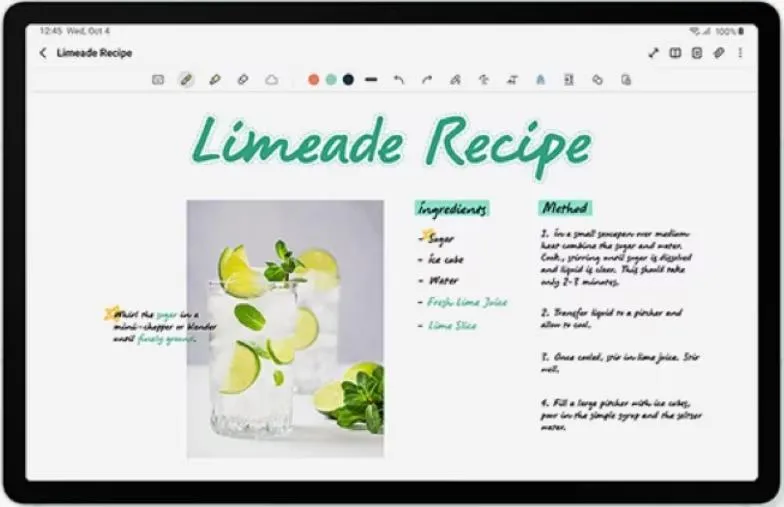
Samsung Galaxy Tab S9 FE+: Ideal for users who prioritize a large screen for media consumption, productivity (note-taking, drawing), and multitasking. Suitable for students, artists, and anyone who consumes a lot of content on their device.
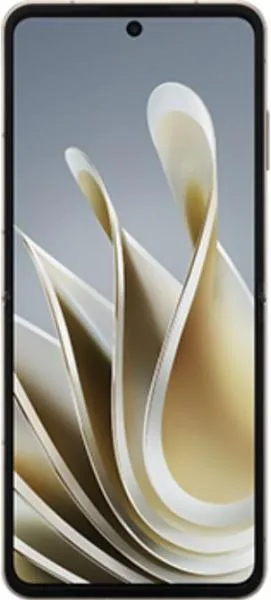
ZTE nubia Flip: Best for users who value portability and a large screen. Suitable for those who want a pocketable device without sacrificing screen real estate for social media, browsing, and media consumption on the go.
4. Decision Framework
Key Questions for Buyers:
- What is your primary use case? (Media consumption, productivity, communication)
- How important is portability? (Pocket-sized vs. larger screen)
- What is your budget? (Consider the price-to-value ratio for each device)
My Choice: Samsung Galaxy Tab S9 FE+
While the ZTE nubia Flip's foldable design is intriguing, the Samsung Galaxy Tab S9 FE+ better suits my needs. As someone who values a large screen for productivity and media consumption, the Tab S9 FE+'s 12.4-inch display and long battery life are compelling. The extra RAM is also a plus for multitasking. The lack of NFC is a minor inconvenience, but the significantly larger display and expected longer battery life outweigh the nubia Flip's portability advantage for my usage. I often use my device for extended periods, making battery life and screen size paramount. The foldable form factor, while innovative, doesn't offer enough benefits to offset the trade-offs in battery life and screen size for my personal use case.
