1. Specifications Comparison
| Feature | Category | Samsung Galaxy Tab S9 FE+ | ZTE Blade V60 Design | Practical Impact |
|---|---|---|---|---|
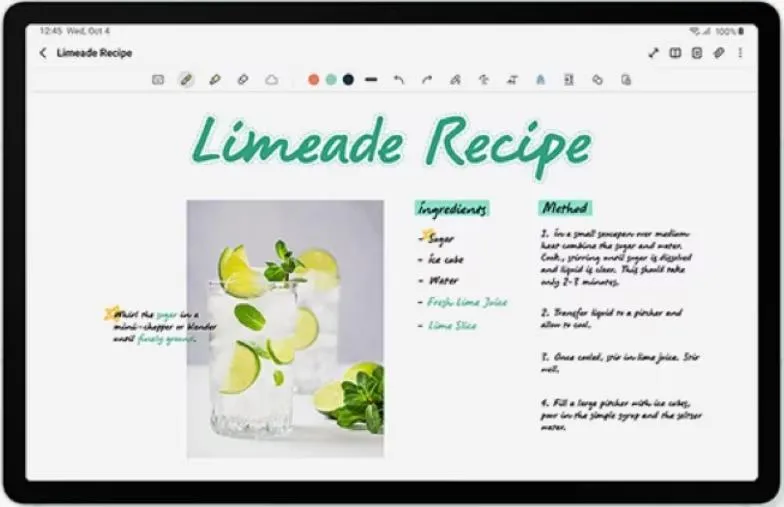
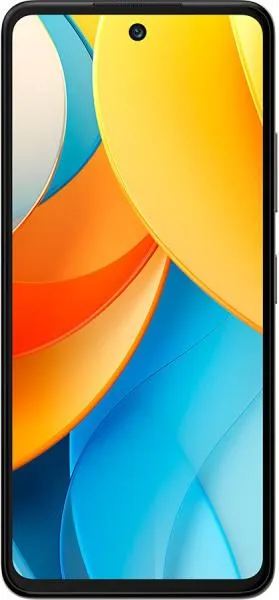
| Dimensions | Design | 285.4 x 185.4 x 6.5 mm | 164.2 x 75.3 x 8.6 mm | The Tab S9 FE+ is significantly larger, resembling a small tablet, while the Blade V60 Design is a typical smartphone size. Portability and one-handed use are significantly impacted. |
| Weight | Design | 627g | 198g | The Tab S9 FE+ is much heavier, impacting portability and comfort during extended use. |
| Display Size | Display | 12.4" | 6.6" | The Tab S9 FE+ offers a much larger screen for media consumption, multitasking, and productivity. The Blade V60 Design is more pocketable. |
| Display Type | Display | IPS LCD, 90Hz | IPS LCD, 90Hz | Both offer smooth scrolling and animations thanks to the 90Hz refresh rate. Expect similar color accuracy and viewing angles, typical of IPS LCD technology. |
| Resolution | Display | 1600 x 2560 | 720 x 1612 | The Tab S9 FE+ has a much sharper display (243 ppi vs 267 ppi) despite its larger size. Expect crisper text and images. The Blade V60 Design's lower resolution might result in pixelation, especially noticeable on a larger screen. |
| Chipset | Performance | Exynos 1380 (5nm) | Unisoc T606 (12nm) | The Exynos 1380 is significantly more powerful and power-efficient due to its smaller manufacturing process. Expect smoother performance in demanding tasks and games on the Tab S9 FE+. |
| CPU | Performance | Octa-core (4x2.4 GHz Cortex-A78 & 4x2.0 GHz Cortex-A55) | Octa-core (2x1.6 GHz Cortex-A75 & 6x1.6 GHz Cortex-A55) | The Tab S9 FE+ has faster and more powerful CPU cores, leading to better multitasking and app loading speeds. |
| GPU | Performance | Mali-G68 MP5 | Mali-G57 MP1 | The Tab S9 FE+ possesses a considerably stronger GPU, resulting in significantly better gaming performance and smoother graphics rendering. |
| RAM | Performance | 12GB | 6GB | The Tab S9 FE+ offers double the RAM, enabling smoother multitasking and preventing apps from closing in the background as frequently. |
| Storage | Performance | 256GB | 256GB | Both offer the same storage capacity. |
| Battery Capacity | Battery | 10090 mAh | 5000 mAh | The Tab S9 FE+ has a massive battery, expected to provide significantly longer usage time compared to the Blade V60 Design. |
| NFC | Connectivity | No | Yes | The Blade V60 Design supports contactless payments and data transfer via NFC, while the Tab S9 FE+ surprisingly does not. |
2. Key Differences Analysis
Samsung Galaxy Tab S9 FE+ Advantages:
- Significantly more powerful: Superior chipset, CPU, and GPU for demanding tasks and gaming.
- Much larger and sharper display: Immersive media consumption and productivity.
- Massive battery: Extended usage time.
- More RAM: Smoother multitasking.
ZTE Blade V60 Design Advantages:
- More affordable: "Low price" range suggests significantly lower cost.
- Much more portable: Smaller and lighter for easy one-handed use and portability.
- NFC support: Enables contactless payments.
Trade-offs:
- Tab S9 FE+: Larger size and weight compromise portability. Lack of NFC is a surprising omission.
- Blade V60 Design: Lower performance limits demanding tasks and gaming. Smaller screen might feel cramped for some users.
3. User Profiles & Recommendations
Samsung Galaxy Tab S9 FE+: Ideal for users who prioritize performance, a large display for media consumption and productivity, and long battery life. Suitable for students, professionals, and entertainment enthusiasts.
ZTE Blade V60 Design: Best suited for budget-conscious users who prioritize portability and basic smartphone functionality. Suitable for casual users primarily focused on communication, social media, and light browsing.
4. Decision Framework
Key Questions:
- What is your budget? The price difference might be a deciding factor.
- What screen size do you prefer? Consider portability versus screen real estate.
- What are your primary use cases? Demanding tasks and gaming benefit from the Tab S9 FE+'s power.
My Choice: Samsung Galaxy Tab S9 FE+
While the ZTE Blade V60 Design offers excellent value for its price, the Samsung Galaxy Tab S9 FE+ is the superior device overall. The significantly more powerful processor, larger and sharper display, and massive battery outweigh the drawbacks of its larger size and lack of NFC for my needs. I prioritize performance and a large screen for productivity and media consumption, making the Tab S9 FE+ a better fit. The lack of NFC is disappointing, but workaround solutions like using a smartwatch for payments exist. The price difference is significant, but the long-term benefits of a more powerful and versatile device justify the investment for me. If budget is a primary concern and portability is paramount, the Blade V60 Design is a respectable alternative.
