1. Specifications Comparison
| Feature | Samsung Galaxy Tab S9 FE+ | Xiaomi Redmi Note 13 Pro 4G | Practical Impact |
|---|---|---|---|
| Design | |||
| Dimensions | 285.4 x 185.4 x 6.5 mm | 161.1 x 75 x 8 mm | The Samsung tablet is significantly larger and heavier, less portable for one-handed use. Xiaomi is a typical smartphone size. |
| Weight | 627g | 188g | Samsung tablet is much heavier, impacting portability and extended use comfort. |
| Display | |||
| Size | 12.4" | 6.67" | Larger display on Samsung offers more immersive content consumption but reduced portability. |
| Type | IPS LCD, 90Hz | AMOLED, 1B colors, 120Hz | AMOLED on Xiaomi provides richer colors, deeper blacks, and potentially better power efficiency. Higher refresh rate makes scrolling and animations smoother on Xiaomi. |
| Resolution | 1600 x 2560 | 1080 x 2400 | Higher resolution on Samsung results in sharper text and images, especially noticeable on a larger display. |
| Peak Brightness | Not specified | 1300 nits | Xiaomi's significantly higher peak brightness ensures better visibility in direct sunlight. Missing data for Samsung limits comparison. |
| Performance | |||
| Chipset | Exynos 1380 (5 nm) | Mediatek Helio G99 Ultra | Both are mid-range chipsets. Performance differences would require benchmark comparisons, not possible with provided data. |
| CPU | Octa-core (4x2.4 GHz Cortex-A78 & 4x2.0 GHz Cortex-A55) | Octa-core (2x2.2 GHz Cortex-A76 & 6x2.0 GHz Cortex-A55) | Slight core architecture differences; real-world performance comparison needs further benchmarks. |
| GPU | Mali-G68 MP5 | Mali-G57 MC2 | Different GPUs; gaming performance comparison requires further data. |
| RAM/Storage | 256GB/12GB RAM | 256GB/8GB RAM, 512GB/12GB RAM | Samsung offers a single configuration with more RAM. Xiaomi offers more storage options. |
| Battery | |||
| Capacity | 10090 mAh | 5000 mAh | Significantly larger battery in the Samsung tablet should provide much longer battery life, expected given the larger display. |
| Other | |||
| NFC | No | Yes | Xiaomi supports contactless payments and data transfer via NFC. |
| OS | Android 13 | Android 13 | Both run on Android 13, but max OS version differs, impacting long-term software support. |
| Max OS version | 17 | 16 | Samsung will likely receive more Android updates, benefitting from longer security support and new features. |
2. Key Differences Analysis
Samsung Galaxy Tab S9 FE+ Advantages:
- Larger Display: More immersive for media consumption and multitasking.
- Higher Resolution: Sharper visuals on the larger display.
- Significantly Larger Battery: Much longer battery life.
- More RAM in the provided configuration: Potentially smoother multitasking.
- Longer Software Support: Expected to receive OS updates for a longer period.
Xiaomi Redmi Note 13 Pro 4G Advantages:
- More Portable: Smaller and lighter, easier for one-handed use.
- Superior Display Quality: AMOLED offers better colors, contrast, and power efficiency. Higher refresh rate for smoother visuals.
- Higher Peak Brightness: Enhanced outdoor visibility.
- NFC: Enables contactless payments and data transfer.
- More Storage Options: Flexibility for users with different storage needs.
3. User Profiles & Recommendations
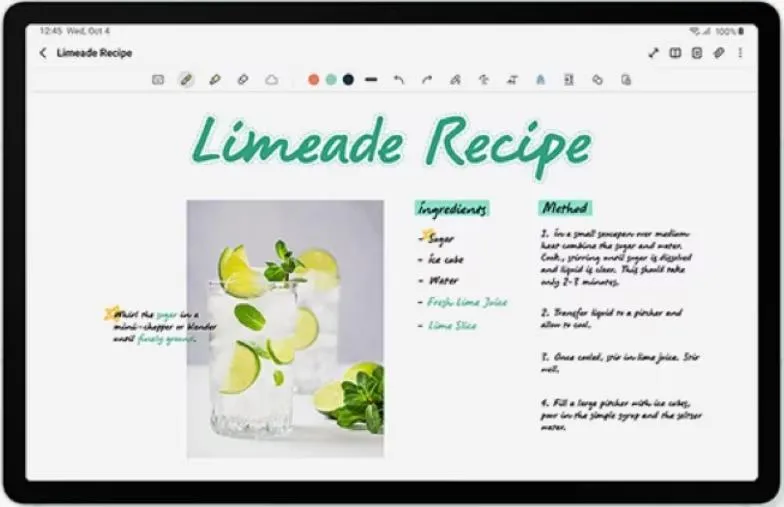
Samsung Galaxy Tab S9 FE+: Ideal for users who prioritize media consumption, multitasking, note-taking, drawing, and long battery life. Suitable for students, artists, and anyone who needs a large screen for productivity or entertainment on the go.
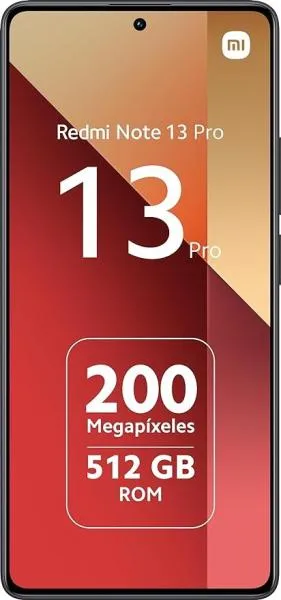
Xiaomi Redmi Note 13 Pro 4G: Best suited for users who prefer a compact and portable smartphone with a vibrant display, good performance, and modern features like NFC. A good choice for everyday use, social media, gaming, and communication.
4. Decision Framework
Key Questions:
- What is your primary use case? (Media consumption, productivity, communication, gaming)
- How important is portability? (One-handed use, carrying in a pocket vs. a bag)
- What is your budget and which features are non-negotiable? (e.g., NFC, long battery life, display quality)
Scenario-based Recommendations:
- Student needing a device for note-taking and media consumption: Samsung Galaxy Tab S9 FE+
- Professional needing a portable device for communication and productivity on the go: Xiaomi Redmi Note 13 Pro 4G
- Casual user prioritizing social media, gaming, and affordability: Xiaomi Redmi Note 13 Pro 4G
My Choice: Xiaomi Redmi Note 13 Pro 4G
While the Samsung tablet offers a compelling large screen experience and exceptional battery life, I would choose the Xiaomi Redmi Note 13 Pro 4G. My priority is a portable device for everyday use that fits comfortably in my pocket. The AMOLED display, higher refresh rate, NFC functionality, and more manageable size are crucial for my needs. While the Samsung tablet excels in specific use cases, the Xiaomi phone offers a better balance of features and portability for my daily usage. The longer software support of the Samsung is tempting, but the Xiaomi's advantages in core areas like display and portability outweigh that for me.
