1. Specifications Comparison
| Feature | Samsung Galaxy Tab S9 FE+ | Xiaomi Redmi Note 13 | Practical Impact |
|---|---|---|---|
| Design | |||
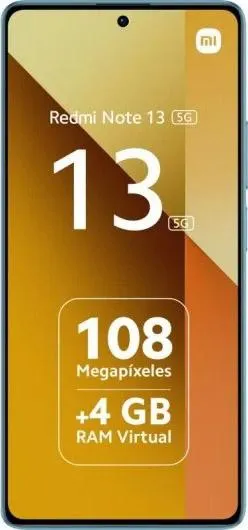
| Dimensions | 285.4 x 185.4 x 6.5 mm | 161.1 x 75 x 7.6 mm | Tab S9 FE+ is significantly larger, indicating a tablet form factor, less pocketable. Redmi Note 13 is a typical smartphone size. |
| Weight | 627g | 174.5g | Tab S9 FE+ is much heavier, impacting portability for extended use. |
| Build | Not specified | Not specified | Build materials impact durability and premium feel; lacking information limits comparison. |
| Display | |||
| Display Type | IPS LCD, 90Hz | AMOLED, 1B colors, 120Hz | Tab S9 FE+ uses LCD, potentially offering less vibrant colors and contrast than Redmi Note 13's AMOLED. Redmi Note 13's higher refresh rate (120Hz) will result in smoother animations and scrolling. |
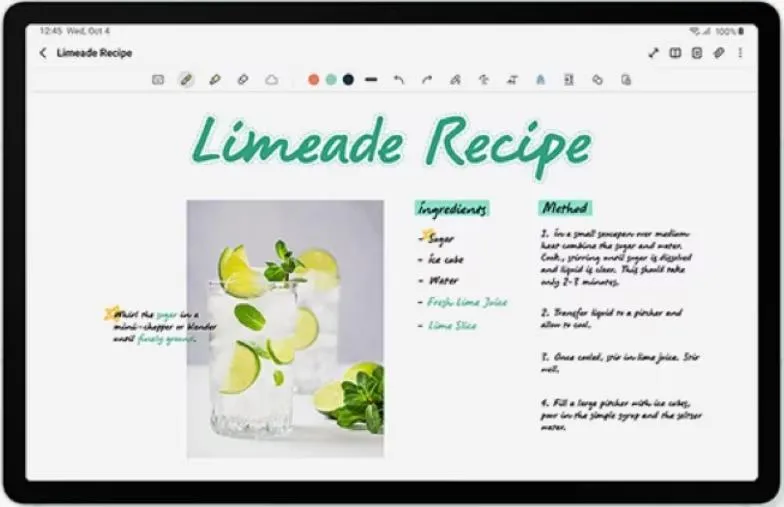
| Display Size | 12.4" | 6.67" | Tab S9 FE+ offers significantly more screen real estate for multitasking and media consumption. Redmi Note 13 is more one-hand friendly. |
| Resolution | 1600 x 2560 | 1080 x 2400 | While Tab S9 FE+ has a higher resolution, its larger size results in a similar pixel density (PPI) to the Redmi Note 13. Sharpness will be comparable. |
| Peak Brightness | Not specified | 1000 nits | Redmi Note 13's higher peak brightness ensures better visibility in direct sunlight. Missing data for Tab S9 FE+ hinders comparison. |
| Performance | |||
| Chipset | Exynos 1380 (5nm) | Mediatek Dimensity 6080 (6nm) | Both chipsets target mid-range performance. Exynos 1380 might offer slightly better performance due to the 5nm process, but real-world differences might be negligible. Requires benchmarks for accurate comparison. |
| CPU | Octa-core (4x2.4 GHz Cortex-A78 & 4x2.0 GHz Cortex-A55) | Octa-core (2x2.4 GHz Cortex-A76 & 6x2.0 GHz Cortex-A55) | Minor CPU architectural differences; performance differences likely minimal for everyday tasks. |
| GPU | Mali-G68 MP5 | Mali-G57 MC2 | Mali-G68 MP5 in the Tab S9 FE+ generally offers better graphical performance, beneficial for gaming. |
| RAM | 12GB | 8GB/12GB | 12GB RAM on the Tab S9 FE+ allows for more apps to run in the background without reloading, improving multitasking. |
| Storage | 256GB | 256GB | Storage capacity is equal in the compared variants. |
| Battery | |||
| Capacity | 10090 mAh | 5000 mAh | Tab S9 FE+ has a significantly larger battery, expected to provide much longer battery life given its larger display. |
| Other | |||
| NFC | No | Yes | Redmi Note 13 supports contactless payments and data transfer via NFC, which the Tab S9 FE+ lacks. |
| OS Updates | Up to Android 17 | Up to Android 16 | Tab S9 FE+ will receive longer software updates, crucial for security and new features. |
| Price Range | Medium | Low | Redmi Note 13 offers a lower entry price point. |
2. Key Differences Analysis
Samsung Galaxy Tab S9 FE+ Advantages:
- Larger Display: Superior for media consumption, multitasking, and productivity.
- Longer Battery Life: Significantly larger battery capacity.
- More RAM: Better multitasking performance.
- Longer Software Support: Will receive more Android OS updates.
- Better GPU: Smoother gaming and graphics-intensive tasks.
Xiaomi Redmi Note 13 Advantages:
- More Affordable: Lower price point.
- More Portable: Smaller and lighter, suitable for one-handed use.
- AMOLED Display: Potentially more vibrant colors and deeper blacks.
- NFC: Enables contactless payments.
- Higher Refresh Rate on Smaller Screen: Smoother scrolling and animations noticeable on a smaller display.
Trade-offs:
- Tab S9 FE+: Larger size and weight compromise portability. Lacks NFC.
- Redmi Note 13: Smaller battery capacity. Shorter software support lifespan.
3. User Profiles & Recommendations
Samsung Galaxy Tab S9 FE+: Ideal for users who prioritize a large screen for media consumption, productivity (with keyboard accessory), multitasking, and gaming. Students, artists, and professionals who need a portable workstation would benefit.
Xiaomi Redmi Note 13: Suitable for users who prefer a compact and affordable smartphone for everyday communication, social media, web browsing, and light gaming. Budget-conscious users who prioritize portability will find it appealing.
4. Decision Framework
Key Questions:
- What is your primary use case? (Media consumption, productivity, communication)
- What is your budget?
- How important is portability?
Scenario-Based Recommendations:
- Student needing a device for note-taking and media consumption: Tab S9 FE+
- Budget-conscious user needing a reliable phone for calls and social media: Redmi Note 13
- Professional requiring a portable workstation for presentations and document editing: Tab S9 FE+
- Casual user who prioritizes portability and affordability: Redmi Note 13
My Choice: Xiaomi Redmi Note 13
While the Samsung Galaxy Tab S9 FE+ boasts impressive specs like a larger display, more RAM and a bigger battery, I would choose the Xiaomi Redmi Note 13. My primary need is a portable device for communication, social media, and web browsing, tasks that the Redmi Note 13 handles effectively. The lower price point, AMOLED display with a 120Hz refresh rate, and inclusion of NFC for contactless payments are significant advantages for my usage. The Tab S9 FE+'s size makes it less practical for everyday carry. Though battery life might be shorter, it's a trade-off I'm willing to make for portability and affordability. The Tab S9 FE+ is a compelling device, but it caters to a different user with different needs, focusing on productivity and media consumption on a larger screen.
