1. Specifications Comparison
| Feature | Samsung Galaxy Tab S9 FE+ | Xiaomi Redmi A3x | Practical Impact |
|---|---|---|---|
| Design | |||
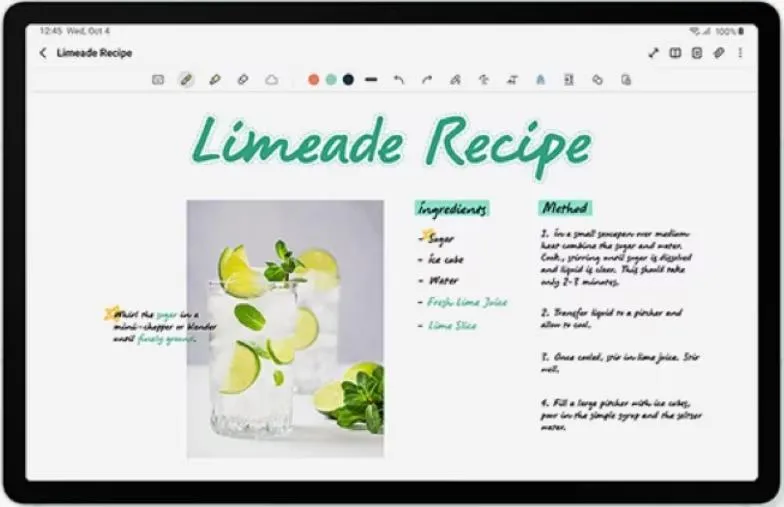
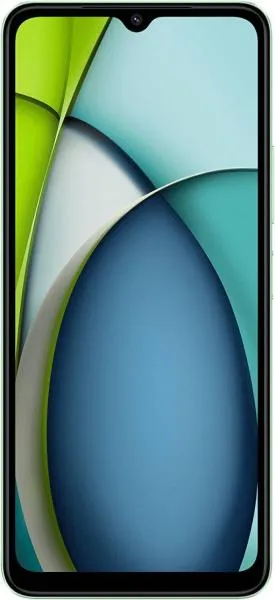
| Dimensions | 285.4 x 185.4 x 6.5 mm | 168.4 x 76.3 x 8.3 mm | The Tab S9 FE+ is significantly larger, geared towards media consumption and productivity; Redmi A3x is a pocketable phone. |
| Weight | 627g | 193g | Tab S9 FE+ is much heavier, less suitable for one-handed use. |
| Build | Not specified | Not specified | Build quality and materials impact durability and premium feel, but we lack this information. |
| Display | |||
| Size | 12.4" | 6.71" | Tab S9 FE+'s large display is ideal for multitasking and media; Redmi A3x is more portable. |
| Type | IPS LCD, 90Hz | IPS LCD, 90Hz, 500 nits | Both offer smooth scrolling, but Redmi A3x specifies a typical brightness, suggesting better outdoor visibility. No information on peak brightness for the Tab S9 FE+. |
| Resolution | 1600 x 2560 | 720 x 1650 | Tab S9 FE+ offers much sharper visuals due to higher resolution and pixel density. |
| PPI | 243 | 268 | Despite lower resolution, Redmi A3x has slightly higher PPI due to smaller screen size; difference in sharpness might be negligible in real-world use. |
| Performance | |||
| Chipset | Exynos 1380 (5nm) | Unisoc T603 (22nm) | Tab S9 FE+ boasts a significantly more powerful and efficient processor, resulting in smoother performance and better battery life. |
| CPU | Octa-core (4x2.4 GHz Cortex-A78 & 4x2.0 GHz Cortex-A55) | Octa-core 1.8 GHz | Tab S9 FE+ has faster and more powerful CPU cores for demanding tasks. |
| GPU | Mali-G68 MP5 | 8 (Unspecified GPU Model) | Tab S9 FE+ has a much more capable GPU for gaming and graphics-intensive applications. Missing details on the Redmi A3x's GPU limit a thorough comparison. |
| RAM | 12GB | 4GB | Tab S9 FE+ offers significantly more RAM, enabling smoother multitasking and better performance with demanding apps. |
| Storage | 256GB | 128GB | Tab S9 FE+ offers double the storage. |
| Battery | |||
| Capacity | 10090 mAh | 5000 mAh | Tab S9 FE+ has a much larger battery, likely providing significantly longer battery life given its larger display. |
| Other | |||
| OS | Android 13 | Android 14 | Redmi A3x ships with a newer Android version out of the box. |
| Max OS Version | 17 | 16 | Tab S9 FE+ is expected to receive more OS updates, potentially providing longer software support. |
| Price Range | Medium | Low | Significant price difference reflecting the performance and feature gap. |
2. Key Differences Analysis
Samsung Galaxy Tab S9 FE+ Advantages:
- Significantly more powerful: Superior processor, GPU, and RAM for demanding tasks and gaming.
- Larger, higher resolution display: Immersive media consumption and productivity.
- Much larger battery: Potentially much longer battery life.
- More Storage: Ample space for apps and files.
Xiaomi Redmi A3x Advantages:
- More affordable: Budget-friendly option.
- Lighter and more compact: Easier to carry and use one-handed.
- Newer Android version out of the box: Access to latest features initially.
- Potentially better outdoor visibility: Specified typical brightness (though we lack peak brightness for comparison).
Trade-offs:
- Tab S9 FE+: Higher price for superior performance and features; larger size and weight might be less portable.
- Redmi A3x: Lower performance and limited features for a budget price; smaller screen might be less suitable for media consumption and multitasking.
3. User Profiles & Recommendations
Samsung Galaxy Tab S9 FE+: Users who prioritize performance, large screen for media consumption and productivity, long battery life, and don't mind the larger size and higher price. Ideal for students, professionals, and entertainment enthusiasts.
Xiaomi Redmi A3x: Users on a tight budget who prioritize affordability, portability, and basic smartphone functionality. Suitable for calling, texting, browsing, and light social media usage.
4. Decision Framework
Key Questions:
- What is your budget? The Redmi A3x is a budget option, while the Tab S9 FE+ is a mid-range device.
- What is your primary use case? Media consumption, productivity, or basic communication?
- How important is portability? The Tab S9 FE+ is a large tablet, while the Redmi A3x is a compact phone.
My Choice: Samsung Galaxy Tab S9 FE+
While significantly more expensive, the Samsung Galaxy Tab S9 FE+ offers a far superior user experience thanks to its powerful processor, ample RAM, stunning display, and long-lasting battery. The performance difference would be noticeable in everyday use, from smoother multitasking to better gaming and media consumption. Although larger and heavier, the benefits outweigh the drawbacks for my needs. I prioritize a smooth and responsive experience, a large screen for productivity and entertainment, and long battery life. The Redmi A3x, while affordable, would likely feel sluggish and limiting in the long run.
