1. Specifications Comparison
| Feature | Samsung Galaxy Tab S9 FE+ | Xiaomi Redmi A3 | Practical Impact |
|---|---|---|---|
| Design | |||
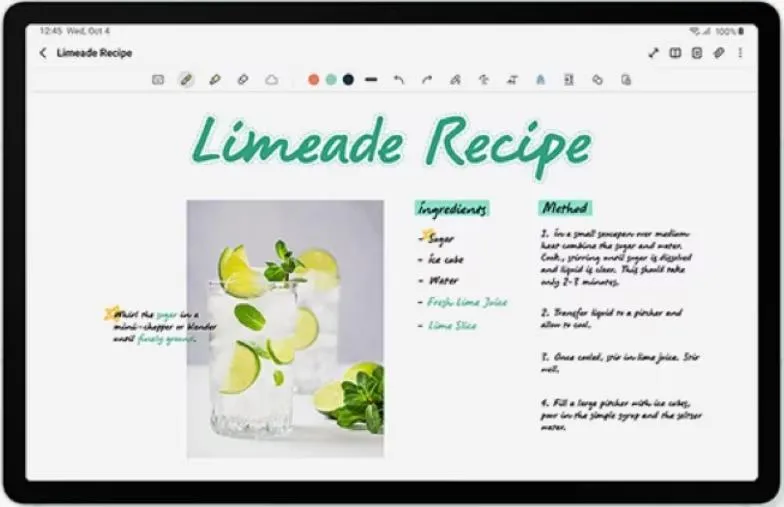
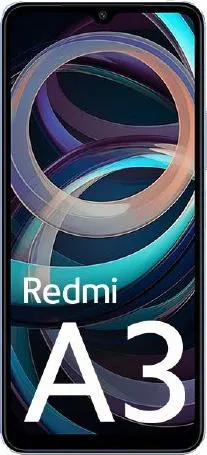
| Dimensions | 285.4 x 185.4 x 6.5 mm | 168.3 x 76.3 x 8.3 mm | The Tab S9 FE+ is significantly larger, geared towards media consumption and productivity due to its tablet form factor. The Redmi A3 is a much smaller, pocketable phone for one-handed use. |
| Weight | 627g | 193g | The Tab S9 FE+ is much heavier, less portable for extended use in one hand. Redmi A3 is lightweight and comfortable for daily use. |
| Display | |||
| Size | 12.4" | 6.71" | Massive difference in screen real estate. Tab S9 FE+ excels for multitasking, media consumption. Redmi A3 is suitable for everyday tasks but less immersive. |
| Type | IPS LCD, 90Hz | IPS LCD, 90Hz, 500 nits (HBM) | Both are LCDs with smooth 90Hz refresh rates. Redmi A3 specifies a peak brightness (HBM), suggesting better outdoor visibility - though a specific value for the Tab S9 FE+ is missing. |
| Resolution | 1600 x 2560 | 720 x 1650 | Tab S9 FE+ boasts much sharper visuals due to higher resolution and pixel density (243 ppi vs 268 ppi - misleading due to size difference). Redmi A3's lower resolution may result in pixelation, especially noticeable on a larger screen. |
| Performance | |||
| Chipset | Exynos 1380 (5nm) | Mediatek Helio G36 (12nm) | Exynos 1380 is significantly more powerful and efficient due to its smaller 5nm manufacturing process. Expect smoother multitasking, faster app loading, and better gaming on the Tab S9 FE+. |
| CPU | Octa-core (4x2.4 GHz Cortex-A78 & 4x2.0 GHz Cortex-A55) | Octa-core (4x2.2 GHz Cortex-A53 & 4x1.6 GHz Cortex-A53) | Tab S9 FE+ features more powerful CPU cores (Cortex-A78) delivering superior performance. Redmi A3 uses less powerful cores, suitable for basic tasks but struggles with demanding applications. |
| GPU | Mali-G68 MP5 | PowerVR GE8320 | Tab S9 FE+'s GPU is significantly more capable for gaming and graphically intensive tasks. Redmi A3's GPU is entry-level, suitable for casual gaming but not demanding 3D titles. |
| RAM/Storage | 12GB/256GB | 4GB/128GB or 6GB/128GB | Tab S9 FE+ offers more RAM and storage for smoother multitasking and ample file storage. Redmi A3's lower RAM might lead to performance bottlenecks with heavy usage. |
| Battery | |||
| Capacity | 10090 mAh | 5000 mAh | Much larger battery on the Tab S9 FE+ should provide significantly longer usage time, especially given its larger display. |
| Other | |||
| OS | Android 13 | Android 14 | Redmi A3 ships with a newer Android version, but Tab S9 FE+ is likely to receive updates for longer. |
| NFC | No | Yes | Redmi A3 supports contactless payments and data transfer via NFC, which the Tab S9 FE+ lacks. |
2. Key Differences Analysis
Samsung Galaxy Tab S9 FE+ Advantages:
- Superior Performance: Significantly faster processor, GPU, and more RAM for smooth multitasking and demanding tasks.
- Larger, Sharper Display: Immersive media consumption and better productivity due to the large, high-resolution screen.
- Longer Battery Life: Massive battery capacity ensures extended usage.
Xiaomi Redmi A3 Advantages:
- More Affordable: Belongs to a lower price range, making it budget-friendly.
- Compact and Lightweight: Easier to carry and use one-handed.
- NFC Support: Enables contactless payments and data transfer.
- Newer Android version out of the box: Starts with a more recent version of the operating system.
Trade-offs:
- Tab S9 FE+: Larger size and weight might be less portable. Lacks NFC. Higher price.
- Redmi A3: Significantly lower performance. Smaller, lower resolution display.
3. User Profiles & Recommendations
Samsung Galaxy Tab S9 FE+: Ideal for users who prioritize performance, a large screen for media consumption, multitasking, productivity tasks, and long battery life. Students, professionals, and content creators would benefit from its capabilities.
Xiaomi Redmi A3: Suitable for budget-conscious users who primarily need a device for basic communication, social media, web browsing, and light tasks. Its compact size makes it convenient for on-the-go use.
4. Decision Framework
Key Questions:
- What is your budget? The price difference between these devices is significant.
- What is your primary use case? (e.g., media consumption, productivity, basic communication)
- How important is portability? Consider size and weight preferences.
Scenario-Based Recommendations:
- Limited budget, basic usage: Redmi A3
- Student needing a device for note-taking and media consumption: Tab S9 FE+
- Professional requiring a powerful device for multitasking and productivity: Tab S9 FE+
My Choice: Samsung Galaxy Tab S9 FE+
While significantly more expensive, the Samsung Galaxy Tab S9 FE+ offers a vastly superior user experience due to its powerful performance, stunning display, and long battery life. As someone who values a smooth and responsive device for productivity and media consumption, the Tab S9 FE+'s advantages outweigh the drawbacks of its larger size and lack of NFC. The Redmi A3, while budget-friendly, compromises too much on performance and display quality for my needs. I would rather invest in a device that will provide a better long-term experience, even if it means a higher upfront cost. The lack of NFC is inconvenient, but manageable considering the other benefits.
