1. Specifications Comparison
| Feature | Samsung Galaxy Tab S9 FE+ | Xiaomi Redmi 13C 5G | Practical Impact |
|---|---|---|---|
| Design | |||
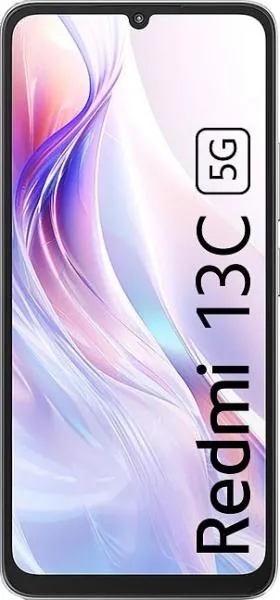
| Dimensions | 285.4 x 185.4 x 6.5 mm | 168 x 78 x 8.1 mm | The Tab S9 FE+ is significantly larger, indicating a tablet form factor, less pocketable. The Redmi 13C 5G is a standard smartphone size. |
| Weight | 627g | 192g | The Tab S9 FE+ is much heavier, impacting portability for extended use. |
| Display | |||
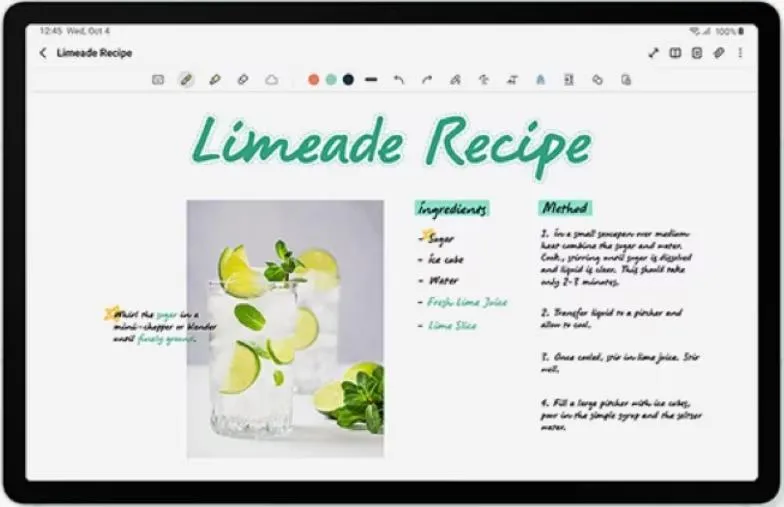
| Size | 12.4" | 6.74" | Massive difference in screen real estate; Tab S9 FE+ is better for media consumption and multitasking, Redmi 13C 5G for one-handed use. |
| Type | IPS LCD, 90Hz | IPS LCD, 90Hz | Both offer smooth scrolling and animations but lack the vibrant colors and deep blacks of OLED. |
| Resolution | 1600 x 2560 | 720 x 1600 | Much sharper visuals on the Tab S9 FE+ due to higher resolution and pixel density (243 ppi vs 260 ppi - but impacted by the larger screen size). |
| Performance | |||
| Chipset | Exynos 1380 (5 nm) | Mediatek Dimensity 6100+ (6 nm) | Both are mid-range chipsets. Exynos 1380 generally offers better performance. |
| CPU | Octa-core (4x2.4 GHz Cortex-A78 & 4x2.0 GHz Cortex-A55) | Octa-core (2x2.2 GHz Cortex-A76 & 6x2.0 GHz Cortex-A55) | Slight difference in core configuration; real-world performance differences might be minimal for everyday tasks but noticeable in demanding applications or gaming. |
| GPU | Mali-G68 MP5 | Mali-G57 MC2 | Tab S9 FE+ has a more powerful GPU, beneficial for gaming and graphics-intensive tasks. |
| RAM/Storage | 12GB/256GB | 6GB/128GB | Tab S9 FE+ offers double the RAM and storage, enabling smoother multitasking and more space for apps and files. |
| Battery | |||
| Capacity | 10090 mAh | 5000 mAh | Significantly larger battery in the Tab S9 FE+, expected to provide much longer battery life given the larger display consumes more power. |
| Other | |||
| OS | Android 13 | Android 13 | Both run on the latest Android version. Long-term software updates are unclear for both. |
| NFC | No | No | Neither phone supports contactless payments. |
| Video Capabilities | 4K@30fps, 1080p@30fps | 1080p@30fps | Tab S9 FE+ supports 4K video recording, offering higher resolution videos. |
2. Key Differences Analysis
Samsung Galaxy Tab S9 FE+ Advantages:
- Larger, higher-resolution display: Superior for media consumption, multitasking, and creative tasks.
- More powerful performance: Smoother experience for demanding apps and games.
- Significantly longer battery life: Ideal for extended use without frequent charging.
- More RAM and storage: Enables seamless multitasking and ample space for files.
- 4K video recording: Captures higher quality video.
Xiaomi Redmi 13C 5G Advantages:
- Much more portable: Significantly smaller and lighter, easier to carry and use one-handed.
- Likely more affordable: Although both are mid-range, the Redmi 13C 5G is expected to be cheaper.
3. User Profiles & Recommendations
Samsung Galaxy Tab S9 FE+: Ideal for users who prioritize a large screen for entertainment, productivity, and creative tasks. Students, artists, and professionals who need a portable workstation would benefit.
Xiaomi Redmi 13C 5G: Suitable for users who prefer a compact and affordable smartphone for everyday communication, social media, and light browsing. Good for users who prioritize portability and value.
4. Decision Framework
Key Questions for Buyers:
- What is your primary use case? (Entertainment, productivity, communication)
- How important is portability? (One-handed use, pocket-friendly vs. large screen)
- What is your budget?
Scenario-Based Recommendations:
- Student needing a device for note-taking and media consumption: Tab S9 FE+
- User on a tight budget needing a basic smartphone: Redmi 13C 5G
- Professional who needs a portable device for presentations and multitasking: Tab S9 FE+
My Choice: Samsung Galaxy Tab S9 FE+
While significantly larger and heavier, the Tab S9 FE+ offers a compelling combination of performance, battery life, and a stunning display. The enhanced productivity and entertainment value offered by the larger screen, coupled with the superior performance, outweigh the portability trade-offs for my personal needs. I value a device that can handle demanding tasks, provide long battery life, and offer an immersive media experience. The Redmi 13C 5G, while a solid budget option, doesn't offer the same level of versatility and power. The lack of 4K video recording is also a drawback for me. Ultimately, the Tab S9 FE+'s superior capabilities make it the better choice for my usage patterns, even considering its larger size.
