1. Specifications Comparison
| Feature | Samsung Galaxy Tab S9 FE+ | Xiaomi Redmi 13 | Practical Impact |
|---|---|---|---|
| Design | |||
| Dimensions | 285.4 x 185.4 x 6.5 mm | 168.6 x 76.3 x 8.3 mm | The Tab S9 FE+ is significantly larger, reflecting its tablet nature. Redmi 13 is a typical smartphone size. |
| Weight | 627g | 205g | The Tab S9 FE+ is much heavier, less portable for one-handed use. |
| Build | Material information missing for both devices, limiting comparison. | ||
| Display | |||
| Size | 12.4" | 6.79" | Much larger screen real estate on the Tab S9 FE+ for media consumption and multitasking. |
| Type | IPS LCD, 90Hz | IPS LCD, 90Hz | Both offer smooth scrolling, but information on color accuracy and outdoor visibility (nits) is missing for the Tab S9 FE+. Redmi 13 specifies 550 nits (HBM), indicating decent brightness. |
| Resolution | 1600 x 2560 | 1080 x 2460 | Higher resolution on the Tab S9 FE+ results in sharper images and text, especially noticeable on the larger display. |
| PPI | 243 | 396 | Despite lower resolution, Redmi 13 has higher pixel density due to smaller screen size, leading to sharper images. |
| Performance | |||
| Chipset | Exynos 1380 (5nm) | Mediatek Helio G91 Ultra (12nm) | Exynos 1380 is built on a smaller process node, generally indicating better power efficiency and potentially higher performance. |
| CPU | Octa-core (4x2.4 GHz Cortex-A78 & 4x2.0 GHz Cortex-A55) | Octa-core (2x2.0 GHz Cortex-A75 & 6x1.8 GHz Cortex-A55) | The Exynos 1380 likely offers better multi-core performance due to faster clock speeds and more powerful Cortex-A78 cores. |
| GPU | Mali-G68 MP5 | Mali-G52 MC2 | Mali-G68 is a more powerful GPU, indicating better gaming and graphics performance on the Tab S9 FE+. |
| RAM | 12GB | 8GB | More RAM on the Tab S9 FE+ enables better multitasking and smoother performance with demanding applications. |
| Storage | 256GB | 256GB | Both offer the same storage capacity. Information on expandable storage is missing. |
| Battery | |||
| Capacity | 10090 mAh | 5030 mAh | Significantly larger battery in the Tab S9 FE+, expected to provide much longer battery life given its larger display. |
| Other | |||
| OS | Android 13 | Android 14 | Redmi 13 comes with a newer Android version out of the box. |
| NFC | No | Yes | Redmi 13 supports NFC for contactless payments and data transfer. |
| Price | Medium | Low | Redmi 13 is positioned as a more budget-friendly option. |
2. Key Differences Analysis
Samsung Galaxy Tab S9 FE+ Advantages:
- Larger Display: Superior for media consumption, multitasking, and creative tasks.
- Higher Performance: More powerful processor and GPU for smoother overall experience and demanding tasks.
- More RAM: Enables better multitasking and smoother performance.
- Significantly Longer Battery Life: Larger battery capacity ensures extended usage.
Xiaomi Redmi 13 Advantages:
- More Portable: Smaller and lighter, ideal for one-handed use and portability.
- Lower Price: More budget-friendly option.
- NFC: Supports contactless payments.
- Newer Android Version: Ships with Android 14, potentially offering newer features and longer software support.
3. User Profiles & Recommendations
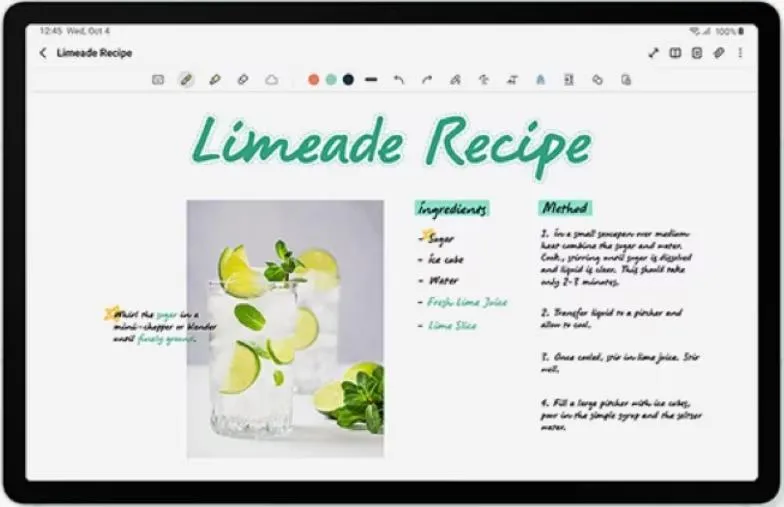
Samsung Galaxy Tab S9 FE+: Ideal for users who prioritize a large screen for media consumption, productivity (with keyboard accessory), creative tasks (drawing, note-taking), and gaming. Suitable for students, artists, and professionals who need a portable workstation.
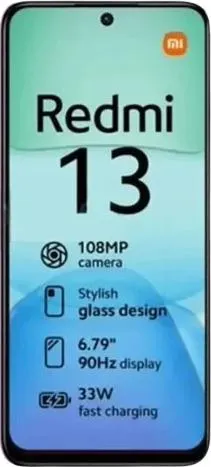
Xiaomi Redmi 13: Best suited for users who prefer a compact and affordable smartphone for everyday communication, social media, web browsing, and light gaming. A good option for budget-conscious users who prioritize portability and value.
4. Decision Framework
Key Questions for Buyers:
- What is your primary use case? (Media consumption, productivity, communication)
- What is your budget?
- Do you prioritize portability or screen size?
Scenario-Based Recommendations:
- Student needing a device for note-taking and media consumption: Samsung Galaxy Tab S9 FE+
- Budget-conscious user needing a reliable phone for communication: Xiaomi Redmi 13
- Professional who requires a portable workstation: Samsung Galaxy Tab S9 FE+ (with keyboard)
My Choice: Samsung Galaxy Tab S9 FE+
While the Redmi 13 offers excellent value for its price, I would choose the Samsung Galaxy Tab S9 FE+. The significantly larger, higher-resolution display, combined with the more powerful processor and longer battery life, outweighs the portability and price advantages of the Redmi 13 for my personal needs. I prioritize a device for media consumption, creative work, and multitasking, which the Tab S9 FE+ is better equipped to handle. The lack of NFC is a minor inconvenience that can be overcome with alternative payment methods. While the Redmi 13 is a good phone, the Tab S9 FE+ offers a superior overall experience for my use case.
