1. Specifications Comparison
| Feature | Samsung Galaxy Tab S9 FE+ | Xiaomi Poco M6 Pro | Practical Impact |
|---|---|---|---|
| Design | |||
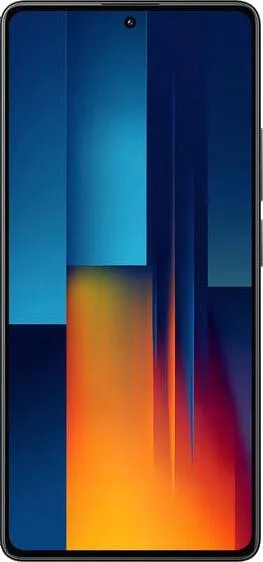
| Dimensions | 285.4 x 185.4 x 6.5 mm | 161.1 x 75 x 8 mm | Tab S9 FE+ is significantly larger, geared towards media consumption and productivity; Poco M6 Pro is a pocketable smartphone. |
| Weight | 627g | 179g | Tab S9 FE+ is much heavier, less portable for one-handed use. |
| Build Material | Unspecified | Unspecified | Material durability and premium feel cannot be compared without further information. |
| Display | |||
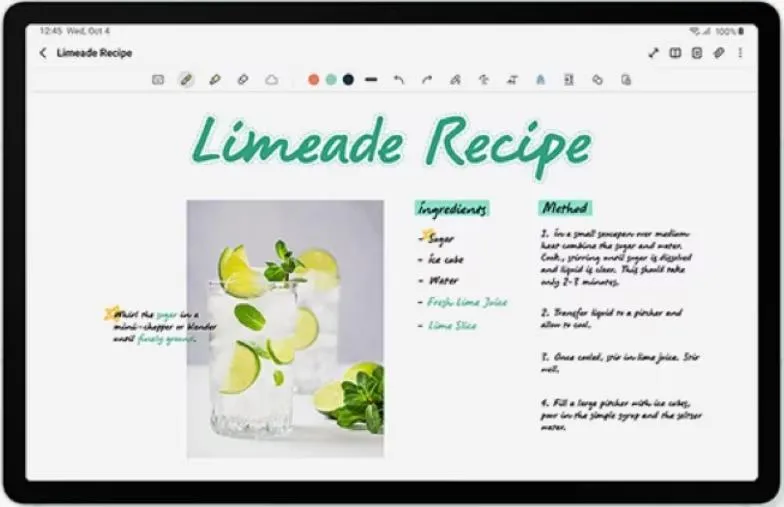
| Size | 12.4" | 6.67" | Tab S9 FE+ offers a much larger screen for immersive content; Poco M6 Pro is more portable. |
| Type | IPS LCD | AMOLED | AMOLED generally offers better contrast, deeper blacks, and potentially brighter colors than IPS LCD. |
| Refresh Rate | 90Hz | 120Hz | Poco M6 Pro's 120Hz display will feel smoother for scrolling and gaming. |
| Resolution | 1600 x 2560 | 1080 x 2400 | Tab S9 FE+ has a higher resolution, resulting in sharper text and images, especially noticeable on a larger display. |
| Peak Brightness | Unspecified | 1300 nits | Poco M6 Pro's higher peak brightness ensures better visibility in direct sunlight. Tab S9 FE+'s unspecified brightness limits comparison. |
| Performance | |||
| Chipset | Exynos 1380 (5 nm) | Mediatek Helio G99 Ultra | Both chipsets target mid-range performance; further benchmarking data is needed for definitive comparison. |
| CPU | Octa-core (4x2.4 GHz Cortex-A78 & 4x2.0 GHz Cortex-A55) | Octa-core (2x2.2 GHz Cortex-A76 & 6x2.0 GHz Cortex-A55) | Core configurations suggest similar performance; real-world usage may vary. |
| GPU | Mali-G68 MP5 | Mali-G57 MC2 | Mali-G68 generally offers better graphical performance, beneficial for gaming on the Tab S9 FE+'s larger screen. |
| RAM | 12GB | 12GB | Both devices have ample RAM for multitasking. |
| Storage | 256GB | 512GB | Poco M6 Pro offers double the storage. |
| Battery | |||
| Capacity | 10090 mAh | 5000 mAh | Tab S9 FE+ has a significantly larger battery, expected to provide much longer usage time considering its larger display. |
| Other | |||
| OS | Android 13 | Android 13 | Both run on the same OS version. |
| NFC | No | Yes | Poco M6 Pro supports contactless payments and data transfer via NFC. |
2. Key Differences Analysis
Samsung Galaxy Tab S9 FE+ Advantages:
- Larger, higher-resolution display: Superior for media consumption, multitasking, and creative work.
- Significantly larger battery: Longer usage time.
- Potentially more powerful GPU: Better gaming performance.
Xiaomi Poco M6 Pro Advantages:
- More portable: Easier to carry and use one-handed.
- Higher refresh rate display: Smoother user experience.
- Higher peak brightness: Better outdoor visibility.
- Larger storage capacity: More space for apps and files.
- NFC support: Enables contactless payments.
- Potentially lower price: Speculated based on historical Poco pricing.
3. User Profiles & Recommendations
Samsung Galaxy Tab S9 FE+: Ideal for users who prioritize a large screen for media consumption, productivity (with keyboard accessory), gaming, and creative tasks. Suitable for students, artists, and anyone who consumes a lot of video content.
Xiaomi Poco M6 Pro: Best suited for users who prefer a pocketable phone with a good balance of performance, battery life, and features. Ideal for everyday communication, social media, light gaming, and on-the-go use.
4. Decision Framework
Key Questions for Buyers:
- What is your primary use case? (Media consumption, productivity, gaming, communication)
- How important is portability? (One-handed use, pocket-friendly vs. larger screen)
- What is your budget? (Considering the expected price difference)
Scenario-Based Recommendations:
- Student needing a device for note-taking and media consumption: Tab S9 FE+ offers a larger canvas for notes and a more immersive video experience.
- Professional needing a portable device for communication and productivity on the go: Poco M6 Pro offers better portability and essential features like NFC.
- Gamer who prioritizes performance and visuals: Tab S9 FE+'s larger display and potentially more powerful GPU might be preferable. Needs further benchmarking confirmation.
My Choice:
I would choose the Xiaomi Poco M6 Pro. While the Tab S9 FE+ offers a compelling large-screen experience, my personal priorities lean towards portability and everyday usability. The Poco M6 Pro seems to strike a better balance between performance, features (like NFC), and portability for my typical usage, which involves communication, web browsing, social media, and occasional light gaming. The higher refresh rate display is also a significant factor for a smoother user experience. The Tab S9 FE+ is a strong contender for media consumption, but its size and weight make it less practical for my daily needs. Ultimately, this decision hinges on personal preference and intended use case.
