1. Specifications Comparison
| Feature | Samsung Galaxy Tab S9 FE+ | Xiaomi Poco F6 Pro | Practical Impact |
|---|---|---|---|
| Design | |||
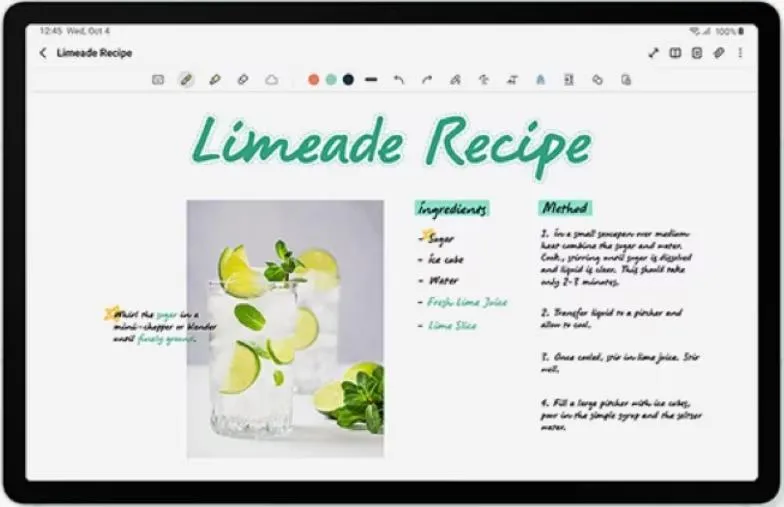
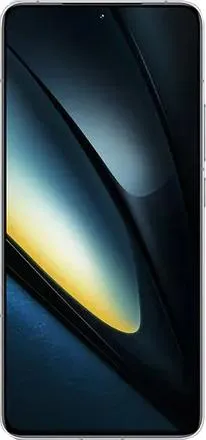
| Dimensions | 285.4 x 185.4 x 6.5 mm | 160.9 x 75 x 8.2 mm | The Tab S9 FE+ is significantly larger, indicating a tablet form factor, while the Poco F6 Pro is a standard smartphone size. |
| Weight | 627g | 209g | The Tab S9 FE+ is much heavier, impacting portability for one-handed use. |
| Display | |||
| Display Size | 12.4" | 6.67" | Larger screen on the Tab S9 FE+ offers more immersive content consumption but reduced portability. |
| Display Type | IPS LCD, 90Hz | AMOLED, 68B colors, 120Hz, Dolby Vision, HDR10+ | The Poco F6 Pro's AMOLED display provides superior contrast, color accuracy, and higher refresh rate for smoother visuals. |
| Resolution | 1600 x 2560 | 1440 x 3200 | Higher resolution on the Poco F6 Pro results in sharper images and text despite a smaller screen size (higher PPI). |
| Peak Brightness | Not specified | 4000 nits | The Poco F6 Pro's significantly higher peak brightness ensures excellent outdoor visibility. Lack of this spec for the Tab S9 FE+ makes comparison impossible. |
| Performance | |||
| Chipset | Exynos 1380 (5 nm) | Snapdragon 8 Gen 2 (4 nm) | The Snapdragon 8 Gen 2 in the Poco F6 Pro offers significantly better performance and efficiency compared to the Exynos 1380. |
| CPU | Octa-core (4x2.4 GHz Cortex-A78 & 4x2.0 GHz Cortex-A55) | Octa-core (1x3.2 GHz Cortex-X3 & 2x2.8 GHz Cortex-A715 & 2x2.8 GHz Cortex-A710 & 3x2.0 GHz Cortex-A510) | The Poco F6 Pro has a more powerful and modern CPU architecture, leading to faster processing speeds. |
| GPU | Mali-G68 MP5 | Adreno 740 | The Adreno 740 provides significantly better gaming and graphics performance. |
| RAM | 12GB | 12GB/16GB | Both offer ample RAM for multitasking, but the Poco F6 Pro offers a higher RAM configuration option. |
| Storage | 256GB | 512GB/1TB | The Poco F6 Pro provides significantly larger storage options. |
| Battery | |||
| Capacity | 10090 mAh | 5000 mAh | The Tab S9 FE+ has a much larger battery capacity, expected given its tablet form factor. Direct battery life comparison is difficult without real-world usage data. |
| Other | |||
| NFC | No | Yes | Poco F6 Pro supports contactless payments and data transfer via NFC. |
2. Key Differences Analysis
Samsung Galaxy Tab S9 FE+ Advantages:
- Larger Display: More immersive experience for media consumption and multitasking.
- Larger Battery: Potentially longer battery life, but needs real-world testing to confirm.
Xiaomi Poco F6 Pro Advantages:
- Significantly Superior Performance: Faster processor, better GPU for gaming and demanding tasks.
- Higher Quality Display: AMOLED with higher resolution, refresh rate, and brightness.
- More Portable: Smaller and lighter, easier for one-handed use and carrying.
- Larger Storage Options: More space for apps, photos, and videos.
- NFC: Enables contactless payments.
3. User Profiles & Recommendations
Samsung Galaxy Tab S9 FE+: Users who prioritize a large screen for media consumption, note-taking, or drawing, and value longer battery life over raw performance. Students and creative professionals might find this appealing.
Xiaomi Poco F6 Pro: Users who prioritize performance, a high-quality display, and portability. Mobile gamers, power users, and those who value a premium smartphone experience would prefer this device.
4. Decision Framework
Key Questions:
- What is your primary use case? (Media consumption, gaming, productivity, etc.)
- Do you prioritize portability or screen size?
- What is your budget? (While both are mid-range, the Poco F6 Pro might be positioned at the higher end)
My Choice: Xiaomi Poco F6 Pro
While the Tab S9 FE+ offers a large screen and battery, the Poco F6 Pro's superior performance, display quality, and portability are more compelling to me. As a smartphone analyst, I value a device that can handle demanding tasks efficiently, provides a premium visual experience, and is easy to carry around. The inclusion of NFC further enhances its practicality. The larger storage options on the Poco F6 Pro also future-proof the device, allowing for ample space for apps and files over time. While the Tab S9 FE+ has its niche, the Poco F6 Pro offers a more well-rounded and powerful package for everyday use.
