1. Specifications Comparison
| Feature | Samsung Galaxy Tab S9 FE+ | Xiaomi 14 Ultra | Practical Impact |
|---|---|---|---|
| Design | |||
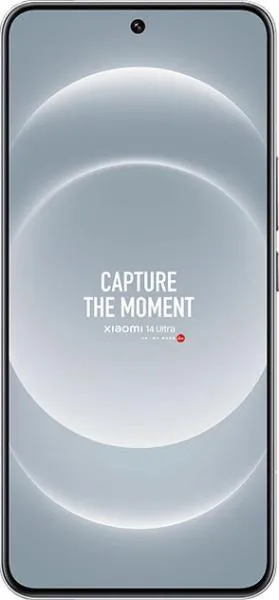
| Dimensions | 285.4 x 185.4 x 6.5 mm | 161.4 x 75.3 x 9.2 mm | The Tab S9 FE+ is significantly larger, indicating a tablet form factor, while the Xiaomi 14 Ultra is a standard smartphone size. |
| Weight | 627g | 229.5g | The Tab S9 FE+ is much heavier, less portable for one-handed use, and more suitable for tabletop use. |
| Display | |||
| Size | 12.4" | 6.73" | Larger display on the Tab S9 FE+ offers more screen real estate for multitasking and media consumption but is less pocketable. |
| Type | IPS LCD, 90Hz | LTPO AMOLED, 120Hz | The Xiaomi 14 Ultra's AMOLED offers superior contrast, deeper blacks, and potentially better power efficiency due to LTPO's variable refresh rate. Its higher refresh rate provides smoother animations. |
| Resolution | 1600 x 2560 | 1440 x 3200 | Higher resolution on the Xiaomi 14 Ultra results in sharper images and text, despite a smaller screen size (higher PPI). |
| Peak Brightness | Not specified | 3000 nits | The Xiaomi 14 Ultra's significantly higher peak brightness ensures excellent outdoor visibility. The lack of data for the Tab S9 FE+ prevents a direct comparison. |
| Performance | |||
| Chipset | Exynos 1380 (5 nm) | Snapdragon 8 Gen 3 (4 nm) | The Snapdragon 8 Gen 3 in the Xiaomi 14 Ultra is a newer, more powerful chipset, expected to provide significantly better performance and efficiency. |
| CPU | Octa-core (4x2.4 GHz Cortex-A78 & 4x2.0 GHz Cortex-A55) | Octa-core (1x3.3 GHz Cortex-X4 & 3x3.2 GHz Cortex-A720 & 2x3.0 GHz Cortex-A720 & 2x2.3 GHz Cortex-A520) | The Xiaomi 14 Ultra's CPU architecture is more modern and powerful, leading to faster processing speeds and smoother multitasking. |
| GPU | Mali-G68 MP5 | Adreno 750 | The Adreno 750 in the Xiaomi 14 Ultra offers superior graphics performance, beneficial for demanding games and applications. |
| RAM | 12GB | 16GB | More RAM on the Xiaomi 14 Ultra allows for more apps to run in the background without performance degradation. |
| Storage | 256GB | 512GB | The Xiaomi 14 Ultra offers double the storage, allowing users to store more files, apps, and media. |
| Battery | |||
| Capacity | 10090 mAh | 5000 mAh | While the Tab S9 FE+ has a much larger battery capacity, its larger display and potentially less efficient chipset could offset this advantage in real-world usage. Direct battery life comparison is difficult without real-world testing. |
| Other | |||
| OS | Android 13 | Android 14 | The Xiaomi 14 Ultra ships with a newer Android version, offering potential feature and security advantages. |
| NFC | No | Yes | The Xiaomi 14 Ultra supports NFC for contactless payments and other functionalities. |
2. Key Differences Analysis
Samsung Galaxy Tab S9 FE+ Advantages:
- Larger Display: Better for multitasking, media consumption, and creative tasks.
- Potentially Longer Battery Life: Larger battery capacity, but real-world usage depends on several factors.
Xiaomi 14 Ultra Advantages:
- Significantly More Powerful: Newer, high-end chipset, CPU, and GPU provide superior performance for demanding tasks and gaming.
- Higher Quality Display: AMOLED with higher resolution, refresh rate, and peak brightness.
- More Compact and Portable: Easier to carry and use one-handed.
- Newer Android Version: Access to latest features and security updates.
- NFC Support: Enables contactless payments and data transfer.
3. User Profiles & Recommendations
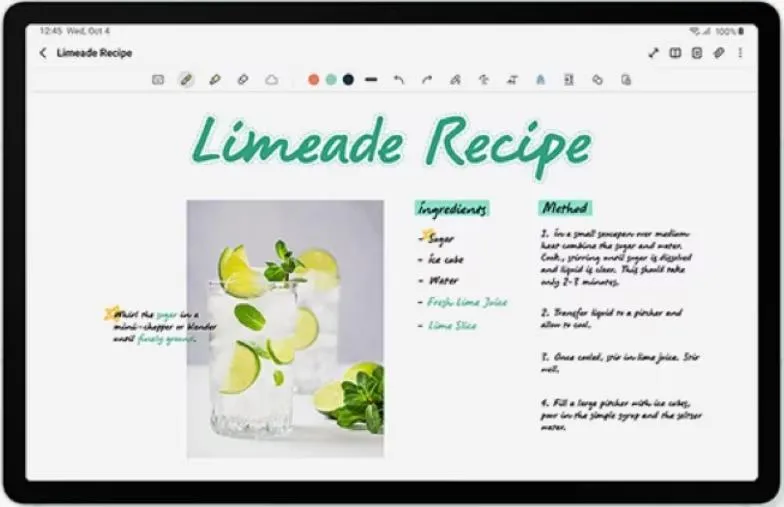
Samsung Galaxy Tab S9 FE+: Ideal for users who prioritize a large screen for media consumption, note-taking, drawing, and light productivity. Students, artists, and those who consume a lot of video content would benefit.
Xiaomi 14 Ultra: Suited for users who demand top-tier performance, a premium display, and a compact form factor. Mobile gamers, power users, and photography enthusiasts would appreciate its capabilities.
4. Decision Framework
Key Questions for Buyers:
- What is your primary use case? (Media consumption, productivity, gaming, photography)
- Do you prioritize portability or screen size?
- What is your budget? (Both are listed as "medium price," but actual pricing may vary.)
Scenario-Based Recommendations:
- Student needing a device for note-taking and media: Samsung Galaxy Tab S9 FE+
- Mobile gamer seeking the best performance: Xiaomi 14 Ultra
- Professional needing a powerful and portable device: Xiaomi 14 Ultra
My Choice: Xiaomi 14 Ultra
While the Tab S9 FE+ offers a larger display and potentially longer battery life, the Xiaomi 14 Ultra is the superior device overall for my needs. The significantly more powerful processor, higher quality display, and more compact form factor are decisive factors. I value performance, a premium visual experience, and portability, all of which the Xiaomi 14 Ultra delivers. The inclusion of NFC for mobile payments is also a significant convenience. While the larger battery of the Tab S9 FE+ is appealing, the superior power efficiency of the Xiaomi 14 Ultra's Snapdragon 8 Gen 3 likely narrows the gap in real-world usage. Lastly, the newer Android version ensures access to the latest features and security updates.
