1. Specifications Comparison
| Feature | Samsung Galaxy Tab S9 FE+ | Motorola Razr 50 | Practical Impact |
|---|---|---|---|
| Design | |||
| Dimensions | 285.4 x 185.4 x 6.5 mm | 171.3 x 74 x 7.3 mm (folded) | Tab S9 FE+ is a large tablet, Razr 50 is a pocketable foldable phone. Portability is significantly different. |
| Weight | 627g | 188.4g | Razr 50 is much lighter and easier to carry. |
| Foldable | No | Yes | Razr 50 offers a compact folded size and a larger screen when unfolded. |
| Display | |||
| Size | 12.4" | 6.9" (unfolded) | Tab S9 FE+ offers a much larger viewing area. |
| Type | IPS LCD | Foldable LTPO AMOLED | Razr 50's AMOLED provides deeper blacks, more vibrant colors, and potentially better power efficiency due to LTPO. |
| Resolution | 1600 x 2560 | 1080 x 2640 | Similar pixel density despite different sizes, due to Razr 50's narrower aspect ratio. |
| Refresh Rate | 90Hz | 120Hz | Razr 50 offers smoother scrolling and animations. |
| Peak Brightness | Not specified | 3000 nits | Razr 50's significantly higher brightness ensures better outdoor visibility. Lack of data for the Tab S9 FE+ prevents a complete comparison. |
| Performance | |||
| Chipset | Exynos 1380 (5nm) | Mediatek Dimensity 7300X (4nm) | Both are mid-range chipsets, but benchmarks would be needed to determine real-world performance differences. A smaller process node generally suggests better power efficiency for the Razr 50. |
| CPU | Octa-core (4x2.4 GHz Cortex-A78 & 4x2.0 GHz Cortex-A55) | Octa-core (4x2.5 GHz Cortex-A78 & 4x2.0 GHz Cortex-A55) | Razr 50 has a slightly faster clock speed on its performance cores. Real-world difference might be minimal. |
| GPU | Mali-G68 MP5 | Mali-G615 MC2 | Benchmarking is needed for accurate GPU comparison. |
| RAM | 12GB | 12GB | Both offer ample RAM for multitasking. |
| Storage | 256GB | 512GB | Razr 50 provides double the storage. |
| Battery | |||
| Capacity | 10090 mAh | 4200 mAh | Tab S9 FE+ has significantly larger battery capacity, but actual battery life depends on usage and display size. |
| Other | |||
| OS | Android 13 | Android 14 | Razr 50 ships with a newer Android version, likely offering more features and longer software support. |
| NFC | No | Yes | Razr 50 supports contactless payments and data transfer. |
2. Key Differences Analysis
Samsung Galaxy Tab S9 FE+ Advantages:
- Larger Display: Significantly larger screen for media consumption, multitasking, and productivity.
- Bigger Battery: Substantially longer battery life expected due to higher capacity.
Motorola Razr 50 Advantages:
- Portability: Foldable design offers a compact size for easy carrying.
- Higher-Quality Display: AMOLED technology with higher brightness and refresh rate for a superior visual experience.
- Newer OS: Comes with Android 14, potentially offering newer features and longer software updates.
- NFC: Supports contactless payments and data transfer.
3. User Profiles & Recommendations
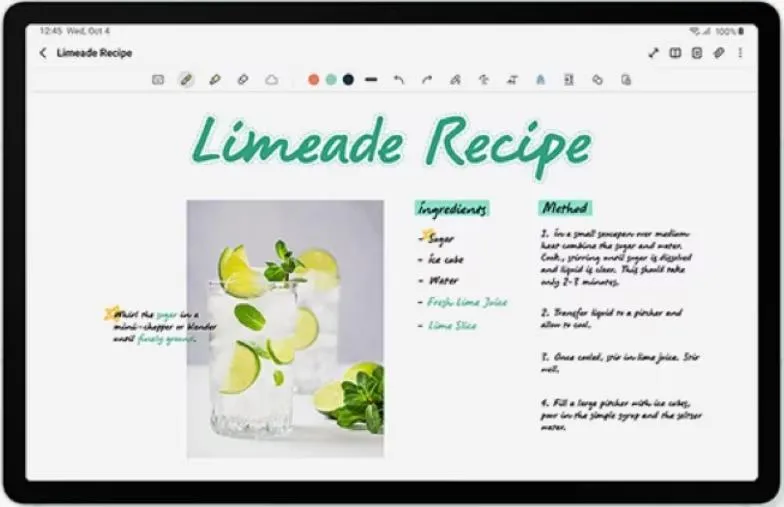
Samsung Galaxy Tab S9 FE+: Ideal for users who prioritize a large screen for media consumption, productivity tasks, drawing, or note-taking. Students, artists, and those who consume a lot of media would benefit.
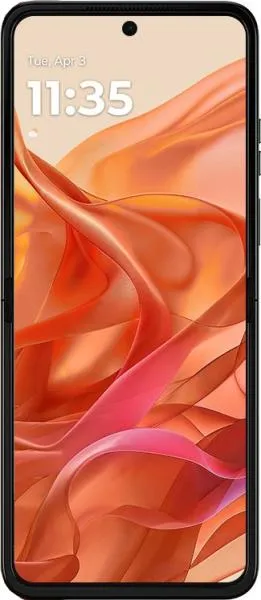
Motorola Razr 50: Ideal for users who prioritize portability and a premium smartphone experience. Those looking for a compact phone with a large screen when needed would prefer this.
4. Decision Framework
Key Questions for Buyers:
- What screen size do you need? Large tablet for media and productivity vs. pocketable phone with a foldable large screen.
- How important is portability? Tablet for home/office use vs. compact phone for on-the-go.
- What is your budget and what features are you prioritizing? Prioritize display quality, portability, battery life, or raw performance.
My Choice: Motorola Razr 50
While the Tab S9 FE+ offers a tempting large screen and battery, the Motorola Razr 50 better suits my needs. I prioritize portability and a premium smartphone experience. The foldable design makes it incredibly pocketable, while the AMOLED display with a 120Hz refresh rate provides a superior visual experience. The newer Android version and inclusion of NFC further solidify my choice. Although the battery is smaller, the more efficient display technology and chipset might offset that in real-world usage. The compact form factor and innovative design of the Razr 50 outweigh the benefits of the larger tablet for my personal use case.
