1. Specifications Comparison
| Feature | Samsung Galaxy Tab S9 FE+ | Motorola Moto G Stylus 5G (2024) | Practical Impact |
|---|---|---|---|
| Design | |||
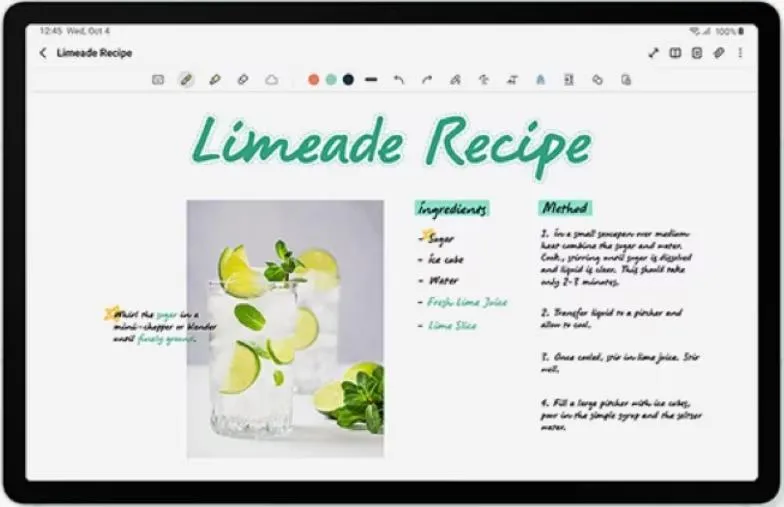
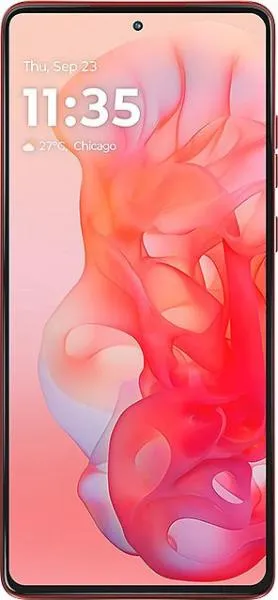
| Dimensions | 285.4 x 185.4 x 6.5 mm | 162.6 x 74.8 x 8.3 mm | The Samsung tablet is significantly larger and heavier, impacting portability. The Motorola phone is a more typical smartphone size. |
| Weight | 627g | 190g | The significant weight difference makes the Motorola phone much easier to hold and carry for extended periods. |
| Stylus Support | Yes (sold separately) | Yes (integrated) | The Motorola phone having an integrated stylus makes note-taking and drawing more convenient. |
| Display | |||
| Size | 12.4" | 6.7" | The Samsung tablet offers a much larger screen for media consumption and multitasking, while the Motorola phone is more pocketable. |
| Type | IPS LCD | P-OLED | The Motorola's P-OLED display offers deeper blacks, richer colors, and potentially better power efficiency compared to the Samsung's IPS LCD. |
| Refresh Rate | 90Hz | 120Hz | The Motorola phone's 120Hz display provides smoother scrolling and animations, resulting in a more fluid user experience. |
| Resolution | 1600 x 2560 | 1080 x 2400 | While the Samsung tablet has a higher resolution, the difference in pixel density (PPI) is not significant due to the larger screen size. The Motorola phone's higher PPI (395 vs 243) will result in sharper text and images. |
| Peak Brightness | Not specified | 1200 nits | The Motorola phone's high peak brightness ensures better visibility in direct sunlight. The lack of data for the Samsung tablet makes a direct comparison impossible. |
| Performance | |||
| Chipset | Exynos 1380 (5nm) | Snapdragon 6 Gen 1 (4nm) | Both chipsets are aimed at mid-range performance. Benchmarking comparisons would be needed for a definitive performance assessment. |
| CPU | Octa-core (4x2.4 GHz Cortex-A78 & 4x2.0 GHz Cortex-A55) | Octa-core (4x2.2 GHz Cortex-A78 & 4x1.8 GHz Cortex-A55) | While core configurations are similar, slight clock speed differences and architectural variations may lead to performance differences. Real-world usage and benchmarks are needed for a clear comparison. |
| GPU | Mali-G68 MP5 | Adreno 710 | GPU performance differences would be best evaluated through gaming and graphics-intensive tasks. Direct comparison based solely on model numbers is inconclusive. |
| RAM | 12GB | 8GB | The Samsung tablet's larger RAM capacity allows for more apps to run in the background and smoother multitasking. |
| Storage | 256GB | 256GB | Both devices offer the same storage capacity. |
| Battery | |||
| Capacity | 10090 mAh | 5000 mAh | The Samsung tablet has a substantially larger battery, likely offering significantly longer battery life, especially considering the larger display. |
| Other | |||
| OS | Android 13 | Android 14 | The Motorola phone ships with a newer Android version, potentially offering newer features and longer software support. |
| NFC | No | Yes | The Motorola phone's NFC capability enables contactless payments and data transfer. |
2. Key Differences Analysis
Samsung Galaxy Tab S9 FE+ Advantages:
- Larger Display: Ideal for media consumption, multitasking, and creative tasks.
- Higher RAM: Enables smoother multitasking and better performance with demanding applications.
- Significantly Larger Battery: Provides much longer usage time between charges.
Motorola Moto G Stylus 5G (2024) Advantages:
- More Portable: Smaller size and weight make it easier to carry and use one-handed.
- Superior Display Quality: P-OLED technology offers better colors, contrast, and power efficiency. Higher refresh rate delivers a smoother user experience.
- Integrated Stylus: Convenient for note-taking and drawing without needing a separate accessory.
- NFC: Enables contactless payments and other NFC functionalities.
- Newer Android Version: Likely to receive longer software updates and has newer features.
3. User Profiles & Recommendations
Samsung Galaxy Tab S9 FE+: Ideal for users who prioritize a large screen for media consumption, productivity, and creative tasks. Students, artists, and anyone who consumes a lot of media would benefit.
Motorola Moto G Stylus 5G (2024): Suitable for users who need a portable and versatile smartphone with stylus functionality for note-taking, sketching, and general use. Its more modern display and newer OS make it a good all-around choice.
4. Decision Framework
Key Questions for Buyers:
- What is your primary use case? (Media consumption, productivity, communication, note-taking)
- How important is portability? (Do you need a device that easily fits in a pocket or bag?)
- What is your budget? (While both are mid-range, actual pricing may vary)
My Choice: Motorola Moto G Stylus 5G (2024)
While the Samsung tablet offers a compelling large screen experience and longer battery life, I would choose the Motorola Moto G Stylus 5G (2024). Its portability, modern display technology (P-OLED with 120Hz), integrated stylus, NFC functionality, and newer Android version make it a more versatile and practical device for my everyday needs. I prioritize a phone that's easy to carry and use on the go, and the Motorola phone better fits that profile. The integrated stylus is a valuable addition for quick notes and sketches. The Samsung tablet's advantages are geared more towards users who need a larger canvas for their work or entertainment, which isn't a priority for me.
