
1. Specifications Comparison
| Feature | Samsung Galaxy Tab S9 FE+ | Motorola Edge 50 Fusion | Practical Impact |
|---|---|---|---|
| Design | |||
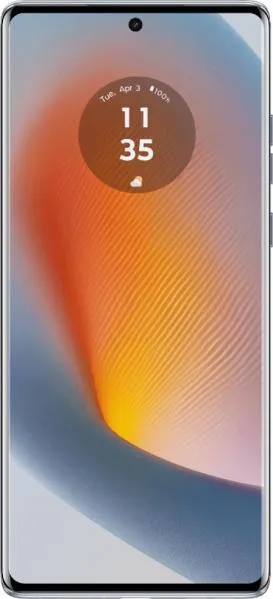
| Dimensions | 285.4 x 185.4 x 6.5 mm | 161.9 x 73.1 x 7.9 mm | The Tab S9 FE+ is significantly larger, reflecting its tablet nature. The Edge 50 Fusion is a more pocketable traditional smartphone. |
| Weight | 627g | 174.9g | The Tab S9 FE+ is much heavier, less suitable for one-handed use or extended holding. |
| Build | Material specifications are missing for both, limiting a comprehensive comparison. | ||
| Display | |||
| Size | 12.4" | 6.7" | Massively different screen real estate; Tab S9 FE+ better for media consumption and multitasking, Edge 50 Fusion for portability. |
| Type | IPS LCD | P-OLED | OLED generally offers better contrast, deeper blacks, and potentially better power efficiency. |
| Resolution | 1600 x 2560 | 1080 x 2400 | Higher resolution on the Tab S9 FE+ results in sharper text and images, especially noticeable given the larger screen size. Edge 50 Fusion's resolution is standard for its size. |
| Refresh Rate | 90Hz | 120Hz (up to 144Hz) | Smoother scrolling and animations on the Edge 50 Fusion, especially beneficial for gaming. |
| Peak Brightness | Not specified | 1600 nits | The Edge 50 Fusion's high peak brightness ensures excellent outdoor visibility. The lack of data for the Tab S9 FE+ hinders comparison. |
| Performance | |||
| Chipset | Exynos 1380 (5nm) | Snapdragon 7s Gen 2 (4nm) | Both are mid-range chipsets. Performance differences likely exist but require benchmarking comparisons for accurate assessment. |
| CPU | Octa-core (4x2.4 GHz & 4x2.0 GHz) | Octa-core (4x2.4 GHz & 4x1.95 GHz) | Very similar CPU configurations; minor performance differences expected. |
| GPU | Mali-G68 MP5 | Adreno 710 | GPU performance differences exist but require dedicated gaming benchmarks for accurate comparison. |
| RAM | 12GB | 8GB | More RAM on the Tab S9 FE+ allows for better multitasking and potentially smoother performance with demanding applications. |
| Storage | 256GB | 256GB | Equal storage capacity. |
| Battery | |||
| Capacity | 10090 mAh | 5000 mAh | Significantly larger battery in the Tab S9 FE+ likely translates to much longer battery life, expected given its tablet form factor. |
| Other | |||
| OS | Android 13 | Android 14 | Edge 50 Fusion ships with a newer Android version, offering potential feature and security advantages. |
| NFC | No | Yes | Edge 50 Fusion supports contactless payments and data transfer via NFC. |
2. Key Differences Analysis
Samsung Galaxy Tab S9 FE+ Advantages:
- Larger Display: Significantly more screen real estate for productivity and media consumption.
- Higher Resolution: Sharper images and text.
- More RAM: Better multitasking and handling of demanding applications.
- Significantly Larger Battery: Much longer battery life.
Motorola Edge 50 Fusion Advantages:
- More Portable: Smaller and lighter, easier for one-handed use and portability.
- Superior Display Technology: OLED offers better contrast and potentially lower power consumption.
- Higher Refresh Rate: Smoother user experience, especially in gaming.
- Brighter Display: Better outdoor visibility.
- NFC: Supports contactless payments.
- Newer OS: Access to latest Android features and security updates.
3. User Profiles & Recommendations
Samsung Galaxy Tab S9 FE+: Ideal for users who prioritize a large screen for media consumption, multitasking, note-taking, and drawing. Students, artists, and content consumers would benefit.
Motorola Edge 50 Fusion: Suitable for users who prefer a traditional smartphone form factor with a good balance of performance, features, and portability. Gamers might appreciate the higher refresh rate display.
4. Decision Framework
Key Questions for Buyers:
- Tablet or Smartphone? Do you need a large screen for productivity and media or a portable device for everyday use?
- Display Quality vs. Battery Life? Prioritize OLED's vibrant colors and contrast or extended battery life?
- Performance Needs? Are you a heavy multitasker or gamer who needs higher RAM and refresh rates, or is moderate performance sufficient?
My Choice: Motorola Edge 50 Fusion
While the Tab S9 FE+ offers a compelling large-screen experience and exceptional battery life, I would choose the Motorola Edge 50 Fusion. As someone who values portability and a premium display, the Fusion's OLED screen, higher refresh rate, and manageable size are more appealing. The inclusion of NFC for contactless payments is also a significant factor. Although the Tab S9 FE+ has more RAM, the 8GB in the Fusion is sufficient for my needs. The significantly lighter weight and smaller form factor of the Fusion are crucial for everyday carry and comfortable use. While battery life might be shorter, it's a trade-off I'm willing to make for the overall superior user experience the Fusion offers in a traditional smartphone form factor. The lack of peak brightness information for the Tab S9 FE+ makes it harder to fully compare displays, but the Fusion's 1600 nits is a strong selling point.
