1. Specifications Comparison
| Feature | Samsung Galaxy Tab S9 FE+ | Huawei Pura 70 | Practical Impact |
|---|---|---|---|
| Design | |||
| Dimensions | 285.4 x 185.4 x 6.5 mm | 157.6 x 74.3 x 8 mm | The Tab S9 FE+ is significantly larger, indicating a tablet form factor. The Pura 70 is a standard smartphone size. |
| Weight | 627g | 207g | The Tab S9 FE+ is much heavier, impacting portability for one-handed use. |
| Display | |||
| Size | 12.4" | 6.6" | Massive difference in screen real estate. Tab S9 FE+ is better for media consumption and multitasking; Pura 70 is more pocketable. |
| Type | IPS LCD, 90Hz | LTPO OLED, 120Hz | OLED offers superior contrast, deeper blacks, and potentially better power efficiency. 120Hz on the Pura 70 provides smoother animations. |
| Resolution | 1600 x 2560 | 1256 x 2760 | Comparable sharpness despite the size difference, with the Pura 70 having a slightly higher pixel density (460 ppi vs 243 ppi). |
| Peak Brightness | Not specified | 2500 nits | The Pura 70's exceptional brightness ensures great outdoor visibility. Lack of data for the Tab S9 FE+ prevents comparison. |
| Performance | |||
| Chipset | Exynos 1380 (5 nm) | Kirin 9000S1 | Performance comparison is difficult without benchmark data for the Kirin chip. Both are likely capable for everyday tasks. |
| CPU | Octa-core (4x2.4 GHz Cortex-A78 & 4x2.0 GHz Cortex-A55) | Octa-core | Specific core configuration for the Pura 70 is missing, hindering detailed comparison. |
| GPU | Mali-G68 MP5 | 8 | The vague "8" for the Pura 70's GPU offers no meaningful comparison. |
| RAM | 12GB | 12GB | Both offer ample RAM for multitasking. |
| Storage | 256GB | 512GB | The Pura 70 offers double the storage. |
| Battery | |||
| Capacity | 10090 mAh | 4900 mAh | The Tab S9 FE+ has a much larger battery, expected given its size. Actual battery life depends on usage and screen-on time. |
| Other | |||
| OS | Android 13 | Unspecified | A significant unknown for the Pura 70. OS impacts user experience and app availability. |
| NFC | No | Yes | Pura 70 allows for contactless payments and other NFC interactions. |
| USB | USB Type-C 2.0, magnetic connector | USB Type-C 3.1, OTG, DisplayPort 1.2 | Pura 70 offers faster data transfer and video output capabilities. |
| Video Capabilities | 4K@30fps, 1080p@30fps | Not Specified | The Tab S9 FE+ can record 4K video; video capabilities for the Pura 70 are unknown. |
2. Key Differences Analysis
Samsung Galaxy Tab S9 FE+ Advantages:
- Larger Display: Better for media consumption, multitasking, and productivity.
- Bigger Battery: Potentially longer battery life.
Huawei Pura 70 Advantages:
- Superior Display Quality: OLED with higher refresh rate and brightness.
- More Storage: Double the storage capacity.
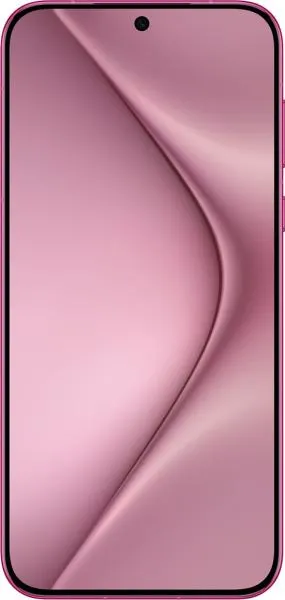
- More Compact: Easier to carry and use one-handed.
- NFC: Enables contactless payments.
- Faster USB: Enables faster data transfer and video output.
Trade-offs:
- Size and Portability: The Tab S9 FE+'s larger screen comes at the cost of portability.
- Display Technology: The Pura 70's OLED likely offers a better visual experience but may be prone to burn-in. The LCD on the Tab S9 FE+ is generally more durable.
3. User Profiles & Recommendations
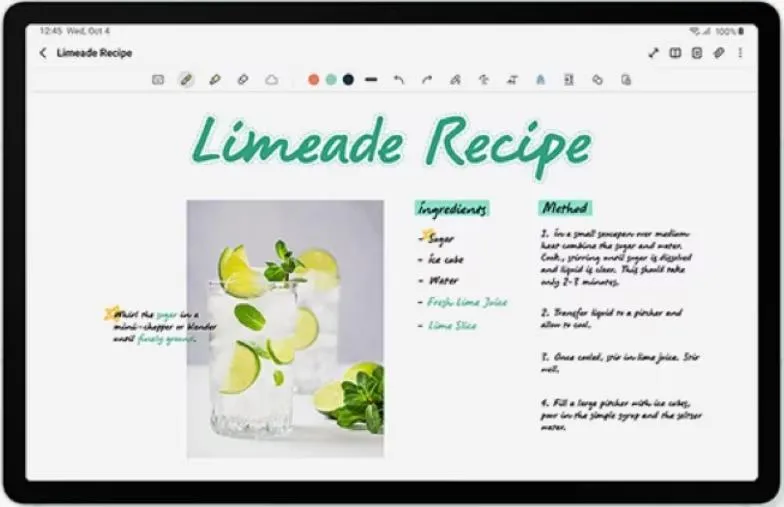
Samsung Galaxy Tab S9 FE+: Ideal for users who prioritize a large screen for media consumption, productivity tasks, note-taking, and drawing. Students, artists, and professionals who need a portable workstation might prefer this device.
Huawei Pura 70: Suitable for users who prefer a compact, high-performance smartphone with a premium display. Lack of clear OS information limits specific recommendations.
4. Decision Framework
Key Questions for Buyers:
- Tablet or Smartphone?: Do you need a large screen for productivity and media, or a pocketable device for communication and on-the-go tasks?
- Display Quality vs. Durability: Is a vibrant OLED display with potential burn-in risk preferable over a durable LCD?
- Operating System: What apps and ecosystem are you invested in? (Critical information missing for the Pura 70)
My Choice: Samsung Galaxy Tab S9 FE+
While the Huawei Pura 70 boasts impressive display specs and a more compact design, the lack of crucial information, particularly regarding the Operating System and detailed GPU/CPU specs, makes it impossible for me to confidently recommend it.
The Samsung Galaxy Tab S9 FE+, despite its size and LCD screen, offers a known and reliable Android experience. Its large screen and battery are significant advantages for my personal use, which heavily involves content creation, reading, and note-taking. I prioritize a device that can function as a portable workstation, and the Tab S9 FE+ better fits that need. The known specifications and established ecosystem of the Tab S9 FE+ outweigh the potential benefits of the Pura 70 given the missing information.
