1. Specifications Comparison
| Feature | Samsung Galaxy Tab S9 FE+ | Google Pixel 9 | Practical Impact |
|---|---|---|---|
| Design | |||
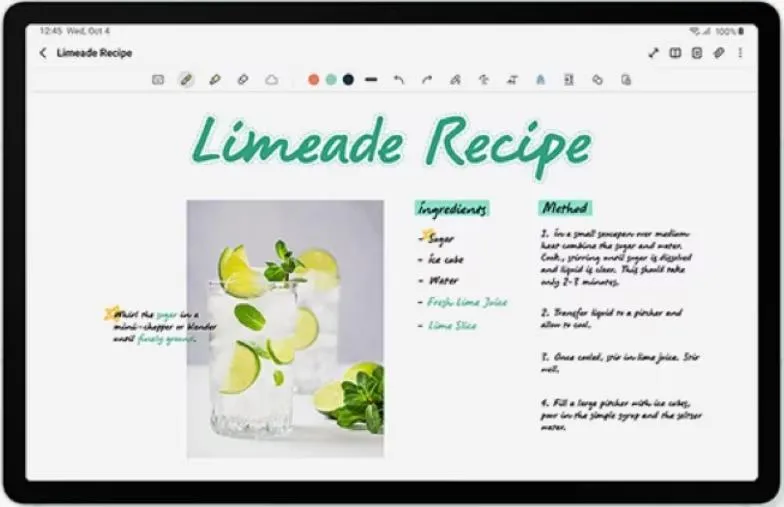
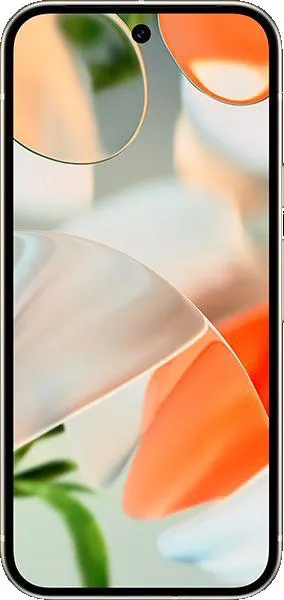
| Dimensions | 285.4 x 185.4 x 6.5 mm | 152.8 x 72 x 8.5 mm | The Pixel 9 is a much smaller, one-handed phone while the Tab S9 FE+ is a large tablet. Portability is significantly different. |
| Weight | 627g | 198g | The Tab S9 FE+ is much heavier due to its larger size, making it less suitable for extended one-handed use. |
| Display | |||
| Size | 12.4" | 6.3" | Massive difference in screen real estate. Tab S9 FE+ better for media consumption and multitasking; Pixel 9 for portability. |
| Type | IPS LCD, 90Hz | OLED, 120Hz, HDR10+ | Pixel 9 offers superior contrast, deeper blacks, and smoother scrolling thanks to OLED and 120Hz. HDR10+ enhances video quality. |
| Resolution | 1600 x 2560 | 1080 x 2424 | Similar pixel density (~243 vs 422 ppi), but Pixel 9's higher ppi results in sharper text and images on its smaller screen. |
| Peak Brightness | Not specified | 2700 nits | Pixel 9's exceptional brightness ensures excellent outdoor visibility. Lack of data for Tab S9 FE+ prevents direct comparison. |
| Performance | |||
| Chipset | Exynos 1380 (5nm) | Google Tensor G4 (4nm) | Tensor G4 is likely more powerful and efficient due to newer architecture and smaller process node. |
| CPU | Octa-core (4x2.4 GHz Cortex-A78 & 4x2.0 GHz Cortex-A55) | Octa-core (1x3.1 GHz Cortex-X4 & 3x2.6 GHz Cortex-A720 & 4x1.92 GHz Cortex-A520) | Tensor G4's Cortex-X4 core suggests significantly better peak performance. |
| GPU | Mali-G68 MP5 | Mali-G715 MC7 | Tensor G4's GPU likely offers better gaming and graphics performance. |
| RAM | 12GB | 12GB | Both offer ample RAM for multitasking. |
| Battery | |||
| Capacity | 10090 mAh | 4700 mAh | Tab S9 FE+ has much larger battery capacity, expected to last significantly longer. However, its larger display also consumes more power. |
| Other | |||
| OS | Android 13 | Android 14 | Pixel 9 launches with the latest Android version and likely longer software support. |
| NFC | No | Yes | Pixel 9 supports contactless payments and data transfer via NFC. |
| USB | USB Type-C 2.0 | USB Type-C 3.2 | Pixel 9 offers significantly faster data transfer speeds. |
2. Key Differences Analysis
Samsung Galaxy Tab S9 FE+ Advantages:
- Larger Display: Superior for media consumption, multitasking, and creative tasks.
- Longer Battery Life (Expected): Massive battery capacity suggests significantly longer usage time between charges.
Google Pixel 9 Advantages:
- Superior Performance: Newer, more powerful chipset for smoother performance in demanding applications and games.
- Higher Quality Display: OLED technology offers better contrast, deeper blacks, and HDR support. 120Hz refresh rate provides smoother scrolling.
- More Compact and Portable: Easier to carry and use one-handed.
- Latest Android Version and Features: Ensures access to the newest features and longer software updates.
- NFC for Contactless Payments: Adds convenience for mobile payments and data transfer.
- Faster Data Transfer: USB 3.2 significantly speeds up file transfers.
3. User Profiles & Recommendations
Samsung Galaxy Tab S9 FE+: Ideal for users who prioritize a large screen for media consumption, productivity (with keyboard accessory), drawing/note-taking, and casual gaming. Students, artists, and those who consume a lot of video content would benefit.
Google Pixel 9: Suitable for users who prefer a compact, powerful phone with a great camera, smooth performance, and the latest features. Ideal for those who value portability, mobile photography, gaming, and staying up-to-date with software.
4. Decision Framework
Key Questions for Buyers:
- What screen size do you need? Large tablet for media consumption or a pocketable phone for convenience?
- What is your budget? Both are mid-range, but specific pricing may vary.
- What are your primary use cases? Gaming, photography, productivity, media consumption?
My Choice: Google Pixel 9
While the Tab S9 FE+ offers a tempting large screen and long battery life, I would choose the Google Pixel 9. Its superior performance, higher quality display, more compact size, and inclusion of crucial features like NFC and faster USB make it a more well-rounded and future-proof device for my needs. I prioritize portability, a smooth user experience, having the latest features, and good overall performance, which the Pixel 9 delivers more effectively. The Tab S9 FE+ excels as a media consumption and productivity device, but its size and older technology make it less appealing for my everyday use. I also value the likely longer software support that comes with a Pixel phone.
