1. Specifications Comparison
| Feature | Category | Samsung Galaxy Tab S9 FE+ | Cubot KingKong X | Practical Impact |
|---|---|---|---|---|
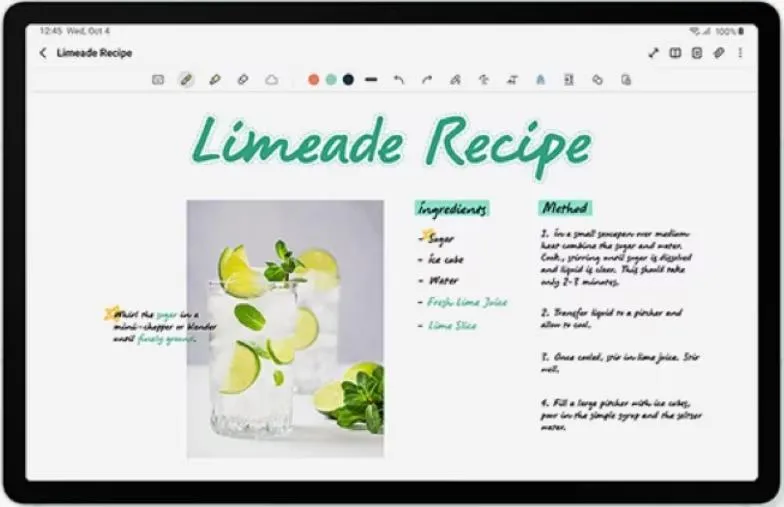
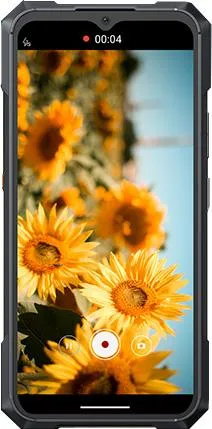
| Dimensions | Design | 285.4 x 185.4 x 6.5 mm | 170.9 x 82.2 x 18.7 mm | The Tab S9 FE+ is significantly larger, geared towards media consumption and productivity due to its tablet form factor. The KingKong X is a more pocketable, traditional smartphone size. |
| Weight | Design | 627g | 388g | The Tab S9 FE+ is much heavier, less suitable for one-handed use or extended portability. KingKong X offers easier handling and portability. |
| Display Size | Display | 12.4" | 6.58" | Tab S9 FE+ provides a much larger screen for immersive content consumption, multitasking, and creative work. KingKong X is better for one-handed use and portability. |
| Display Type | Display | IPS LCD, 90Hz | IPS LCD, 120Hz | Both use LCD technology. KingKong X's 120Hz refresh rate provides smoother animations and scrolling compared to the Tab S9 FE+'s 90Hz. |
| Resolution | Display | 1600 x 2560 | 1080 x 2408 | Tab S9 FE+ offers a sharper display (243 ppi) due to its higher resolution, beneficial for detailed content. KingKong X has a decent resolution (401 ppi) suitable for everyday use. |
| Chipset | Performance | Exynos 1380 (5nm) | Mediatek Dimensity 7050 (6nm) | Both are mid-range chipsets. Performance differences might be subtle in everyday tasks, though benchmarks would be needed for a definitive comparison. |
| CPU | Performance | Octa-core (4x2.4 GHz Cortex-A78 & 4x2.0 GHz Cortex-A55) | Octa-core (2x2.6 GHz Cortex-A78 & 6x2.0 GHz Cortex-A55) | Slight differences in core configuration; real-world performance differences may be minimal without benchmark data. |
| GPU | Performance | Mali-G68 MP5 | Mali-G68 MC4 | Tab S9 FE+ likely has a slight edge in graphics performance due to the higher core count in its GPU. |
| RAM | Performance | 12GB | 16GB | KingKong X offers more RAM, enabling better multitasking and smoother performance with multiple open apps. |
| Storage | Performance | 256 GB | 512 GB | KingKong X provides significantly more storage for apps, media, and files. |
| Battery Capacity | Battery | 10090 mAh | 10200 mAh | Very similar battery capacities. Actual battery life depends heavily on usage patterns and software optimization. |
| OS | Software | Android 13 | Android 14 | KingKong X ships with a newer Android version, potentially offering newer features and longer software support. |
| NFC | Connectivity | False | True | KingKong X supports NFC for contactless payments and other functionalities, while the Tab S9 FE+ does not. |
2. Key Differences Analysis
Samsung Galaxy Tab S9 FE+ Advantages:
- Larger, sharper display: Ideal for media consumption, multitasking, and creative tasks.
- Potentially slightly better GPU: May offer a slight advantage in graphics-intensive applications.
Cubot KingKong X Advantages:
- Higher refresh rate display: Smoother scrolling and animations.
- More RAM and storage: Better for multitasking and storing large files.
- Newer Android version: Likely to receive longer software updates and have newer features.
- NFC support: Enables contactless payments and data transfer.
- Significantly lighter and more portable: Easier to carry and use one-handed.
3. User Profiles & Recommendations
Samsung Galaxy Tab S9 FE+: Ideal for users who prioritize a large, high-quality display for media consumption, productivity, creative work, and some light gaming. Students, artists, and professionals who need a portable workstation would benefit.
Cubot KingKong X: Suitable for users who prefer a more traditional smartphone form factor with good performance, ample storage, and the latest features. Its portability makes it ideal for users on the go.
4. Decision Framework
Key Questions for Buyers:
- What is your primary use case? (Media consumption, productivity, gaming, communication)
- How important is portability? (Do you need a device that easily fits in a pocket?)
- What is your budget? (Consider the price-to-performance ratio of each device.)
My Choice: Cubot KingKong X
While the Tab S9 FE+'s larger display is tempting for media consumption, I would choose the Cubot KingKong X. Its more manageable size and weight, coupled with the higher refresh rate, larger RAM and storage, newer Android version, and NFC functionality, make it a more versatile and practical device for everyday use. The KingKong X offers a well-rounded package that caters to a broader range of users and usage scenarios. The lack of NFC on a modern tablet like the Tab S9 FE+ is a significant drawback. Although the Tab S9 FE+ might offer a slightly better visual experience for specific tasks, the KingKong X's overall advantages outweigh this for my personal needs.
