1. Specifications Comparison
| Feature | Samsung Galaxy Tab S9 FE+ | Apple iPhone 16 Pro Max | Practical Impact |
|---|---|---|---|
| Design | |||
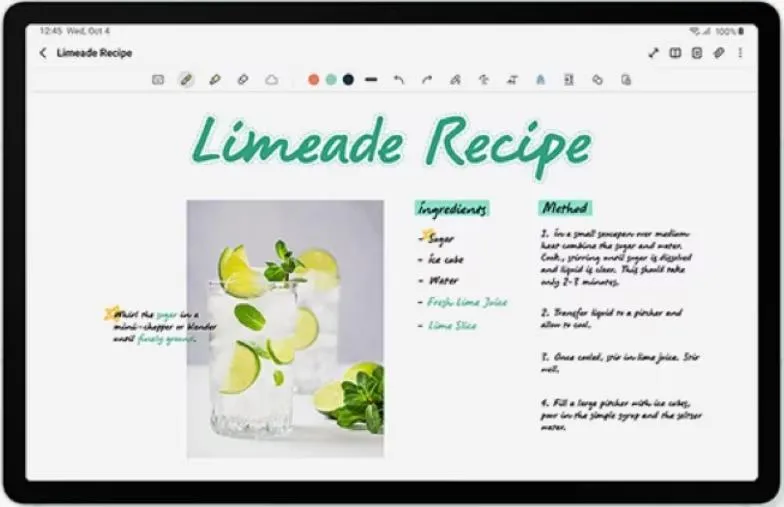
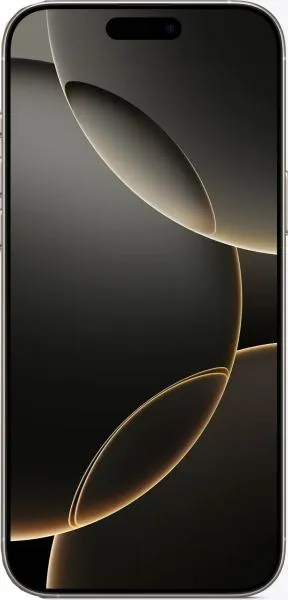
| Dimensions | 285.4 x 185.4 x 6.5 mm | 163 x 77.6 x 8.3 mm | Tab S9 FE+ significantly larger; pocketability favored by iPhone. Tab S9 FE+ better suited for media consumption and productivity due to larger screen. |
| Weight | 627g | 227g | iPhone 16 Pro Max much lighter and easier to hold for extended periods. |
| Build Materials | Not specified | Titanium | Durability and premium feel likely better on iPhone due to titanium frame; information lacking for Tab S9 FE+. |
| Display | |||
| Display Type | IPS LCD, 90Hz | LTPO Super Retina XDR OLED, 120Hz | iPhone boasts superior contrast, deeper blacks, and smoother scrolling with OLED and higher refresh rate. |
| Display Size | 12.4" | 6.9" | Larger display on Tab S9 FE+ ideal for multitasking and media consumption. iPhone better for one-handed use. |
| Resolution | 1600 x 2560 | 1320 x 2868 | Comparable pixel density (Tab S9 FE+: 243 ppi, iPhone: 460 ppi), but iPhone's higher resolution on a smaller screen provides sharper visuals. |
| Performance | |||
| Chipset | Exynos 1380 (5nm) | Apple A18 Pro (3nm) | A18 Pro expected to significantly outperform Exynos 1380 in speed and efficiency due to newer architecture and manufacturing process. |
| CPU | Octa-core (4x2.4 GHz & 4x2.0 GHz) | Hexa-core (2x4.05 GHz + 4x2.42 GHz) | A18 Pro likely to deliver faster processing speeds, especially in demanding tasks. |
| GPU | Mali-G68 MP5 | Apple GPU (6-core) | Apple's custom GPU expected to offer superior graphics performance for gaming and demanding applications. Specific details on Apple GPU performance are lacking, however. |
| RAM | 12GB | 8GB | Tab S9 FE+ has more RAM, potentially benefiting multitasking, but iOS optimization may mitigate this advantage in real-world use. |
| Battery | |||
| Capacity | 10090 mAh | 4685 mAh | Significantly larger battery in Tab S9 FE+ expected to provide much longer battery life. |
| Other | |||
| OS | Android 13 | iOS 18 | Different operating systems cater to different user preferences and ecosystems. |
| NFC | False | True | iPhone supports contactless payments and data transfer via NFC, while Tab S9 FE+ does not. |
| USB | USB Type-C 2.0 | USB Type-C 3.2 Gen 2 | Faster data transfer speeds on iPhone. |
| Price Range | Medium | High | iPhone 16 Pro Max significantly more expensive. |
2. Key Differences Analysis
Samsung Galaxy Tab S9 FE+ Advantages:
- Larger Display: Better for media consumption, multitasking, and productivity.
- Longer Battery Life: Significantly larger battery capacity.
- More Affordable: Positioned in the mid-price range.
Apple iPhone 16 Pro Max Advantages:
- Superior Performance: A18 Pro chip expected to deliver significant performance gains.
- Higher Quality Display: OLED technology offers better contrast, colors, and refresh rate.
- Premium Design and Build: Titanium construction and refined design.
- Advanced Camera Features: (Not detailed in provided specs, but generally expected based on Apple's history).
- More robust ecosystem: Seamless integration with other Apple devices.
Trade-offs:
- Size and Portability: Tab S9 FE+'s larger size compromises portability.
- Price: iPhone 16 Pro Max commands a premium price.
3. User Profiles & Recommendations
Samsung Galaxy Tab S9 FE+: Students, artists, media consumers who prioritize a large screen, long battery life, and affordability. Use cases: note-taking, drawing, watching movies, browsing the web.
Apple iPhone 16 Pro Max: Users who demand top-tier performance, a premium mobile experience, and value the Apple ecosystem. Use cases: demanding mobile gaming, professional photography/videography, seamless integration with other Apple devices.
4. Decision Framework
Key Questions for Buyers:
- What screen size do you need? Prioritize portability or screen real estate?
- What is your budget? iPhone 16 Pro Max significantly more expensive.
- What operating system do you prefer? Android or iOS?
My Choice: Apple iPhone 16 Pro Max
While the Samsung Galaxy Tab S9 FE+ offers a compelling large-screen experience at a more affordable price, I would choose the Apple iPhone 16 Pro Max. The superior performance, higher-quality display, and premium design are crucial factors for me. Although the battery life is smaller, the A18 Pro's efficiency might close the gap in real-world usage. The robust iOS ecosystem and expected advancements in camera technology further solidify my choice. While the price is a significant consideration, the overall user experience and longevity offered by the iPhone 16 Pro Max outweigh the cost for my personal needs and preferences. I value a powerful, pocketable device with a premium feel, and the iPhone 16 Pro Max aligns better with those priorities.
