1. Specifications Comparison
| Feature | Samsung Galaxy Tab S9 FE+ | Apple iPhone 16 | Practical Impact |
|---|---|---|---|
| Design | |||
| Dimensions | 285.4 x 185.4 x 6.5 mm | 147.6 x 71.6 x 7.8 mm | The Tab S9 FE+ is significantly larger, geared towards media consumption and productivity on the go; the iPhone 16 is a pocketable one-handed device. |
| Weight | 627g | 170g | The Tab S9 FE+ is much heavier, less suitable for extended single-hand use. |
| Display | |||
| Size | 12.4" | 6.1" | Larger screen of the Tab S9 FE+ offers more immersive content consumption and multitasking space. |
| Type | IPS LCD, 90Hz | Super Retina XDR OLED, HDR10, Dolby Vision | OLED display on iPhone 16 offers superior contrast, deeper blacks, and potentially higher brightness, resulting in a more vibrant viewing experience. |
| Resolution | 1600 x 2560 | 1179 x 2556 | Comparable sharpness despite size difference, though iPhone 16 has a slightly higher pixel density (460 ppi vs 243 ppi). |
| Refresh Rate | 90Hz | Unspecified | 90Hz on the Tab S9 FE+ provides smoother scrolling and animations compared to a standard 60Hz likely on the iPhone 16. |
| Performance | |||
| Chipset | Exynos 1380 (5 nm) | Apple A18 (3 nm) | A18 is expected to significantly outperform the Exynos 1380 in terms of speed and efficiency due to newer architecture and manufacturing process. |
| CPU | Octa-core (4x2.4 GHz Cortex-A78 & 4x2.0 GHz Cortex-A55) | Hexa-core (2x4.04 GHz + 4x2.20 GHz) | A18's core configuration suggests higher peak performance. |
| GPU | Mali-G68 MP5 | Apple GPU (5-core graphics) | Apple's custom GPUs are generally highly optimized, likely outperforming the Mali-G68 MP5, especially in graphics-intensive tasks and games. |
| RAM | 12GB | 8GB | More RAM in Tab S9 FE+ could aid in multitasking and keeping more apps open in the background. |
| Battery | |||
| Capacity | 10090 mAh | 3561 mAh | Significantly larger battery in the Tab S9 FE+ should provide much longer battery life, crucial for a tablet. |
| Other | |||
| OS | Android 13 | iOS 18 | Different operating systems cater to different user preferences and ecosystems. |
| NFC | False | True | iPhone 16 supports contactless payments and data transfer via NFC. |
| Storage | 256GB 12GB RAM | 256GB/8GB RAM, 512GB/8GB RAM | iPhone 16 offers a 512GB storage option. |
2. Key Differences Analysis
Samsung Galaxy Tab S9 FE+ Advantages:
- Larger Display: Better for media consumption, multitasking, and creative work.
- Longer Battery Life: Essential for extended use on a tablet.
- More RAM: Improved multitasking performance.
Apple iPhone 16 Advantages:
- Superior Performance: Faster and more efficient processor for demanding tasks and gaming.
- Higher Quality Display: OLED technology delivers richer visuals.
- More Compact and Portable: Easier to carry and use one-handed.
- NFC: Enables contactless payments and other NFC functionalities.
3. User Profiles & Recommendations
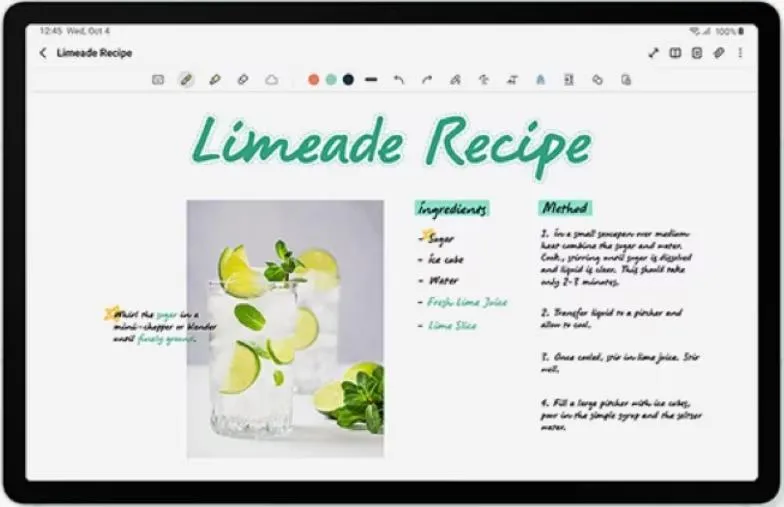
Samsung Galaxy Tab S9 FE+: Ideal for users who prioritize media consumption, productivity on the go, note-taking, drawing, and multitasking. Students, artists, and professionals who need a large screen for work or entertainment would benefit.
Apple iPhone 16: Suitable for users who prefer a compact and powerful phone for everyday use, gaming, and photography. Individuals who value portability, performance, and the iOS ecosystem would find it a good fit.
4. Decision Framework
Key Questions for Buyers:
- What is your primary use case? (Media consumption, productivity, communication, gaming)
- How important is portability? (One-handed use, pocket-ability vs. larger screen)
- Which operating system do you prefer? (Android vs. iOS)
Scenario-Based Recommendations:
- Student needing a device for note-taking and media consumption: Tab S9 FE+
- Professional requiring a powerful and portable device for communication and productivity: iPhone 16
- Gamer seeking the best possible performance: iPhone 16
My Choice: Apple iPhone 16
While the Tab S9 FE+ offers a compelling large-screen experience, I would choose the iPhone 16. The significantly superior performance of the A18 chip, coupled with the vibrant OLED display and compact form factor, better suits my needs. I prioritize a smooth and responsive user experience for everyday tasks, gaming, and content consumption. Although battery life is a consideration, I value the portability and power efficiency offered by the iPhone 16. The inclusion of NFC for contactless payments is also a significant advantage for my daily use. While I acknowledge the benefits of the Tab S9 FE+'s larger screen and battery, the iPhone 16's overall performance and portability make it a more compelling device for my personal preferences and usage patterns.
