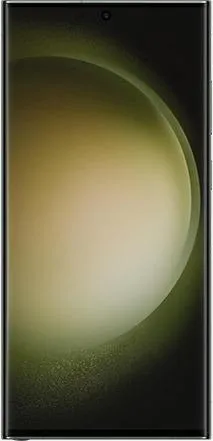
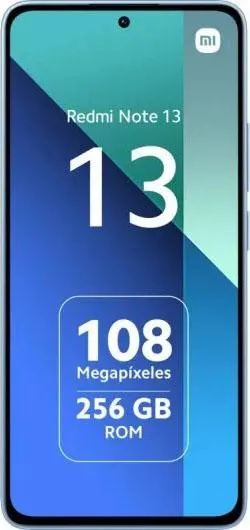
1. Specifications Comparison
| Feature | Samsung Galaxy S23 Ultra | Xiaomi Redmi Note 13 4G | Practical Impact |
|---|---|---|---|
| Design | |||
| Dimensions (mm) | 163.4 x 78.1 x 8.9 | 162.3 x 75.6 x 8.0 | S23 Ultra slightly larger, may feel less comfortable in smaller hands. |
| Weight (g) | 234 | 188.5 | Redmi Note 13 noticeably lighter, reducing hand fatigue. |
| Build | Material information missing for both, impacting durability and premium feel perception. | ||
| Display | |||
| Size (inches) | 6.8 | 6.67 | Negligible size difference in real-world usage. |
| Resolution | 1440 x 3088 | 1080 x 2400 | S23 Ultra significantly sharper, offering crisper text and images. |
| Panel Type | Dynamic AMOLED 2X | AMOLED | S23 Ultra likely to have better color accuracy, contrast, and brightness. Dynamic AMOLED 2X generally implies HDR10+ support leading to a wider color gamut and higher peak brightness. |
| Refresh Rate (Hz) | 120 | 120 | Both offer smooth scrolling and animations. |
| Peak Brightness (nits) | 1750 | 1800 | Redmi Note 13 boasts slightly higher peak brightness; however, real-world visibility depends on various factors including brightness implementation. |
| Performance | |||
| Chipset | Snapdragon 8 Gen 2 (4 nm) | Snapdragon 685 (6 nm) | S23 Ultra significantly more powerful, enabling smoother multitasking, demanding gaming, and faster app loading. |
| CPU | Octa-core (1x3.36 GHz Cortex-X3 & ...) | Octa-core (4x2.8 GHz Cortex-A73 & ...) | S23 Ultra's newer and more powerful CPU architecture delivers superior performance. |
| GPU | Adreno 740 | Adreno 610 | S23 Ultra offers vastly improved graphics performance for gaming and graphically intensive tasks. |
| RAM (GB) | 8/12 | 6/8 | S23 Ultra offers configurations with more RAM, improving multitasking capabilities. |
| Camera | |||
| Main Camera (MP) | 200 | 108 | S23 Ultra has a much higher resolution main sensor, potentially capturing more detail. However, image quality depends on processing as well. |
| Zoom | 100x Digital, 10x Optical | Digital Zoom (amount unspecified) | S23 Ultra offers superior zoom capabilities, particularly at longer ranges thanks to a dedicated periscope telephoto lens. Redmi Note 13 zoom capability unclear. |
| Video Recording | Up to 8K@30fps | Up to 1080p@30fps | S23 Ultra capable of significantly higher resolution video recording. |
| Battery | |||
| Capacity (mAh) | 5000 | 5000 | Similar battery capacity. Actual battery life depends on usage and optimization. |
| Fast Charging (W) | 45 | 33 | S23 Ultra charges faster. |
2. Key Differences Analysis
Samsung Galaxy S23 Ultra Advantages:
- Significantly more powerful: Superior chipset, CPU, and GPU for demanding tasks and gaming.
- Sharper display: Higher resolution for crisper visuals.
- Better camera system: Higher resolution sensors, superior zoom capabilities, 8K video recording.
- Faster charging: Reduces downtime.
Xiaomi Redmi Note 13 4G Advantages:
- Lighter and potentially more comfortable to hold.
- Lower price: Offers a more budget-friendly option. (Based on provided price data)
3. User Profiles & Recommendations
Samsung Galaxy S23 Ultra: Users who prioritize performance, a top-tier camera system, a vibrant display, and are willing to pay a premium. Ideal for:
- Power users: Demanding apps, multitasking, gaming.
- Photography enthusiasts: High-quality photos and videos, zoom capabilities.
- Content creators: 8K video recording, large screen for editing.
Xiaomi Redmi Note 13 4G: Budget-conscious users who prioritize basic smartphone functionality and a lightweight design. Ideal for:
- Casual users: Primarily using social media, browsing, and communication apps.
- Users seeking a lighter phone: Reduces hand fatigue.
4. Decision Framework
Key Questions for Buyers:
- What is your budget? The S23 Ultra is significantly more expensive.
- What are your primary smartphone usage patterns? Casual vs. Power user.
- How important are camera quality and performance?
My Choice: Samsung Galaxy S23 Ultra
While the Redmi Note 13 4G offers a compelling price point, the Samsung Galaxy S23 Ultra is the superior device overall. Its flagship-level performance, exceptional camera system, and stunning display make it a clear winner for my needs. I prioritize a smooth and responsive user experience, high-quality photography, and the ability to handle demanding tasks. The price difference is justified by the significant leap in performance and features. The S23 Ultra's longevity as a powerful device also factors into my decision, making it a worthwhile investment in the long run.
