1. Specifications Comparison
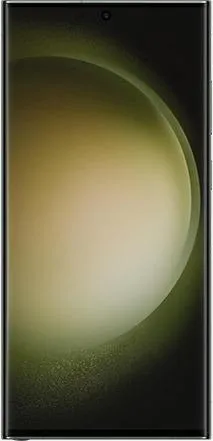
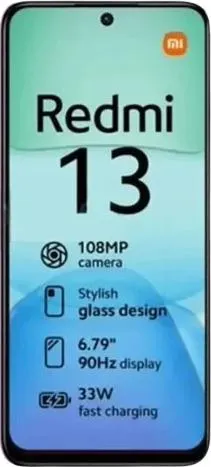
| Feature | Samsung Galaxy S23 Ultra | Xiaomi Redmi 13 | Practical Impact |
|---|---|---|---|
| Design | |||
| Dimensions (mm) | 163.4 x 78.1 x 8.9 | 168.6 x 76.3 x 8.3 | S23 Ultra is slightly smaller and thinner, potentially easier to handle despite being heavier. |
| Weight (g) | 234 | 205 | Redmi 13 is noticeably lighter, reducing hand fatigue during extended use. |
| Build | Information Missing | Information Missing | Build materials impact durability and premium feel; information needed for meaningful comparison. |
| Display | |||
| Display Type | Dynamic AMOLED 2X | IPS LCD | S23 Ultra offers significantly better contrast, colors, and viewing angles with AMOLED technology. |
| Display Size (inches) | 6.8 | 6.79 | Negligible size difference; both offer large, immersive screens. |
| Resolution | 1440 x 3088 | 1080 x 2460 | S23 Ultra boasts much sharper visuals due to higher resolution, noticeable in text clarity and image detail. |
| Refresh Rate (Hz) | 120 | 90 | S23 Ultra provides smoother animations and scrolling with a higher refresh rate. |
| Peak Brightness (nits) | 1750 | 550 | S23 Ultra is drastically brighter, ensuring better visibility in direct sunlight. |
| Performance | |||
| Chipset | Snapdragon 8 Gen 2 (4 nm) | Helio G91 Ultra (12 nm) | S23 Ultra offers significantly faster processing speeds and improved power efficiency due to superior chipset and smaller manufacturing process node. |
| CPU | Octa-core (1x3.36 GHz Cortex-X3 & 2x2.8 GHz Cortex-A715 & 2x2.8 GHz Cortex-A710 & 3x2.0 GHz Cortex-A510) | Octa-core (2x2.0 GHz Cortex-A75 & 6x1.8 GHz Cortex-A55) | S23 Ultra's CPU configuration and higher clock speeds translate to much faster performance in demanding tasks and multitasking. |
| GPU | Adreno 740 | Mali-G52 MC2 | S23 Ultra offers superior graphics performance, enabling smoother gaming and faster rendering. |
| RAM | 8GB | 8GB | RAM amounts are comparable in some versions; more RAM improves multitasking and app loading speed. Redmi 13 also comes in 6GB RAM version* | |
| Camera | |||
| Main Camera (MP) | 200 | 108 | S23 Ultra's higher resolution main camera potentially captures more detail. |
| Other Cameras | Telephoto, Wide Angle, Periscope Telephoto | Portrait mode (depth) | S23 Ultra offers greater versatility with dedicated telephoto and wide-angle lenses. |
| Video Recording | Up to 8K@30fps | Up to 1080p@30fps | S23 Ultra supports much higher video resolution and frame rates. |
| Battery | |||
| Capacity (mAh) | 5000 | 5030 | Negligible difference in battery capacity. |
| Fast Charging (W) | 45 | 33 | S23 Ultra charges significantly faster. |
2. Key Differences Analysis
Samsung Galaxy S23 Ultra Advantages:
- Superior Performance: Significantly faster processor, GPU, and higher refresh rate display deliver a smoother and more responsive user experience.
- Brighter and More Vibrant Display: AMOLED technology offers superior contrast, color accuracy, and outdoor visibility.
- More Versatile Camera System: Multiple high-quality lenses provide a wider range of shooting options.
- Faster Charging: Reduces downtime significantly.
Xiaomi Redmi 13 Advantages:
- Lower Price: Offers a much more affordable entry point.
- Lighter Weight: More comfortable for extended use.
3. User Profiles & Recommendations
Samsung Galaxy S23 Ultra: Ideal for power users, mobile gamers, photography enthusiasts, and professionals who demand top-tier performance and features.
Xiaomi Redmi 13: Suitable for budget-conscious users who prioritize affordability and basic functionality for everyday tasks like social media, browsing, and communication. Good for users who prefer lighter phones.
4. Decision Framework
Key Questions for Buyers:
- What is your budget? The S23 Ultra is a premium flagship device, while the Redmi 13 is a budget-friendly option.
- What are your performance needs? Do you require top-tier processing power for demanding tasks or gaming?
- How important is camera quality and versatility?
My Choice: Samsung Galaxy S23 Ultra
While the Redmi 13 offers excellent value for its price, the S23 Ultra's significantly superior performance, display, and camera system make it the clear winner for me. I prioritize a smooth and responsive user experience, excellent image quality, and future-proofing my device with a powerful chipset. The faster charging is also a significant benefit. The price difference is substantial, but the S23 Ultra delivers a premium experience that justifies the cost for my needs. The lighter weight of the Redmi 13 is tempting, but not a significant enough factor to outweigh the other benefits of the S23 Ultra.
