1. Specifications Comparison
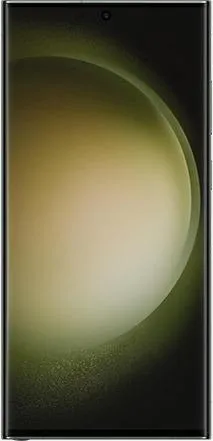
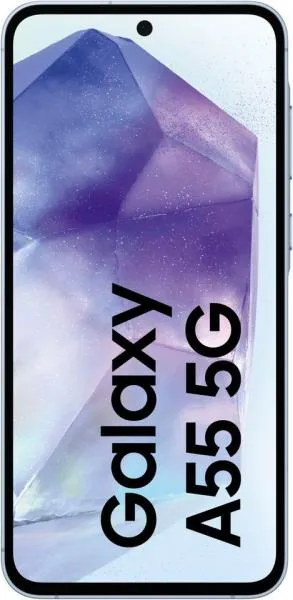
| Feature | Samsung Galaxy S23 Ultra | Samsung Galaxy A55 | Practical Impact |
|---|---|---|---|
| Design | |||
| Dimensions (mm) | 163.4 x 78.1 x 8.9 | 161.1 x 77.4 x 8.2 | S23 Ultra slightly larger, may feel less comfortable in some hands. |
| Weight (g) | 234 | 213 | A55 noticeably lighter, reducing hand fatigue during extended use. |
| Build Materials | Missing | Missing | Cannot compare build quality and durability. |
| Display | |||
| Display Size (inches) | 6.8 | 6.6 | S23 Ultra offers a larger viewing area for media consumption. |
| Resolution (pixels) | 1440 x 3088 | 1080 x 2340 | S23 Ultra significantly sharper, noticeable in text clarity and image detail. Higher pixel density (500 vs 403 ppi). |
| Display Type | Dynamic AMOLED 2X | Super AMOLED | Both offer vibrant colors and deep blacks. S23 Ultra's Dynamic AMOLED 2X likely offers better brightness and HDR performance due to the 1200 nits (HBM) vs 1000nits on the A55. |
| Refresh Rate (Hz) | 120 | 120 | Both provide smooth scrolling and animations. |
| Performance | |||
| Chipset | Snapdragon 8 Gen 2 | Exynos 1480 | S23 Ultra expected to have significantly better CPU and GPU performance, leading to smoother multitasking, faster app loading, and better gaming capabilities. |
| CPU | Octa-core (1x3.36 GHz X3 & ...) | Octa-core (4x2.75 GHz A78 & ...) | S23 Ultra's newer core architecture provides a performance advantage. |
| GPU | Adreno 740 | Xclipse 530 | S23 Ultra boasts a more powerful GPU, crucial for demanding games and graphics-intensive tasks. |
| RAM (GB) | 8/12 | 8/12 | RAM parity for base models but the S23 Ultra has configurations up to 12GB which will aid with heavy multi-tasking |
| Camera | |||
| Main Camera (MP) | 200 | 50 | S23 Ultra has much higher resolution, potentially capturing more detail. Practical impact depends on sensor and processing quality, not just megapixel count. |
| Zoom | 3x & 10x Optical, 100x Digital | Digital Zoom only | S23 Ultra offers significantly superior zoom capabilities, enabling clearer long-range shots. Missing specific details for the A55 digital zoom capabilities |
| Video Recording | Up to 8K@30fps | Up to 4K@30fps | S23 Ultra capable of higher resolution video recording. |
| Battery | |||
| Capacity (mAh) | 5000 | 5000 | Similar battery capacity, expected similar battery life depending on usage and optimization. |
| Fast Charging (W) | 45 | 25 | S23 Ultra charges significantly faster, minimizing downtime. |
2. Key Differences Analysis
S23 Ultra Advantages:
- Superior Performance: Significantly faster processor and GPU.
- Sharper Display: Higher resolution and potentially brighter.
- Advanced Camera System: Higher resolution main sensor, optical zoom, 8K video recording.
- Faster Charging: 45W vs 25W.
A55 Advantages:
- Lighter and More Compact: Easier to handle and carry.
- Lower Price: Offers good value for its features.
3. User Profiles & Recommendations
S23 Ultra: Power users, photographers, videographers, gamers, those who demand the best performance and display.
A55: Budget-conscious users, casual users, those prioritizing a lightweight and comfortable phone.
4. Decision Framework
Key Questions:
- What is your budget? The S23 Ultra is significantly more expensive.
- What are your primary use cases? (e.g., photography, gaming, social media)
- Do you prioritize performance or portability?
Scenario-Based Recommendations:
- Heavy user, large budget: S23 Ultra
- Light user, limited budget: A55
- Photographer on a budget: Consider other options, A55 camera is decent but S23 Ultra offers significant advantages.
My Choice: Samsung Galaxy S23 Ultra
While the A55 offers good value, the S23 Ultra's superior performance, stunning display, and advanced camera system are decisive factors for me. I prioritize a smooth user experience, high-quality photos and videos, and the ability to handle demanding tasks. The faster charging is a welcome bonus. The price difference is significant, but the S23 Ultra offers a tangible upgrade in key areas that justify the cost for my needs. The slightly larger size and weight are acceptable trade-offs for the significant performance and feature gains.
