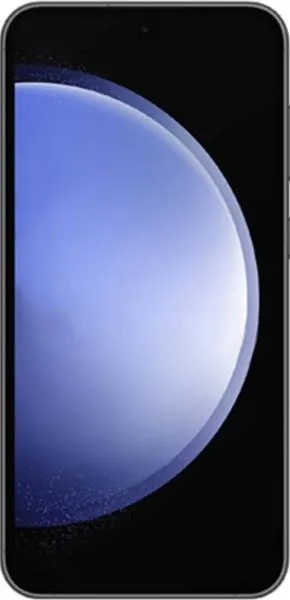
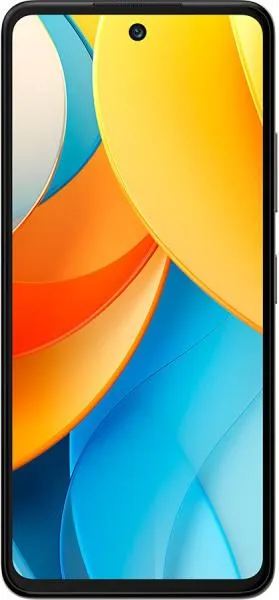
1. Specifications Comparison
| Feature | Samsung Galaxy S23 FE | ZTE Blade V60 Design | Practical Impact |
|---|---|---|---|
| Design | |||
| Dimensions (mm) | 158 x 76.5 x 8.2 | 164.2 x 75.3 x 8.6 | The S23 FE is slightly smaller and thinner, potentially offering a more comfortable one-handed grip. |
| Weight (g) | 209 | 198 | The ZTE is slightly lighter. The weight difference is minimal in practical use. |
| Build Materials | Not specified | Not specified | Build materials impact durability and premium feel; this information is missing. |
| Display | |||
| Display Type | Dynamic AMOLED 2X | IPS LCD | AMOLED offers significantly better contrast, color accuracy, and deeper blacks resulting in a more vibrant viewing experience. |
| Size (inches) | 6.4 | 6.6 | The ZTE has a slightly larger screen, providing more screen real estate but potentially less comfortable one-handed use. |
| Resolution | 1080 x 2340 | 720 x 1612 | The S23 FE has a much sharper display (403 ppi vs 267 ppi), resulting in clearer text and images. The difference will be noticeable in everyday use. |
| Refresh Rate (Hz) | 120 | 90 | The S23 FE's 120Hz refresh rate provides smoother animations and scrolling compared to the ZTE's 90Hz. This contributes to a more fluid and responsive user experience. |
| Peak Brightness (nits) | 1450 | Not specified | The S23 FE's high peak brightness ensures excellent outdoor visibility. The lack of data for the ZTE makes comparison impossible. |
| Performance | |||
| Chipset | Exynos 2200 (4nm) | Unisoc T606 (12nm) | The Exynos 2200 is a significantly more powerful chipset built on a more advanced process, leading to better performance, especially in demanding tasks like gaming and multitasking. |
| CPU | Octa-core (1x2.8 GHz Cortex-X2 & 3x2.50 GHz Cortex-A710 & 4x1.8 GHz Cortex-A510) | Octa-core (2x1.6 GHz Cortex-A75 & 6x1.6 GHz Cortex-A55) | The S23 FE possesses a more powerful CPU architecture, translating to faster app loading, smoother multitasking, and better overall responsiveness. |
| GPU | Xclipse 920 | Mali-G57 MP1 | The Xclipse 920 provides a substantial advantage in graphics processing, enabling a superior gaming experience and smoother performance in graphics-intensive applications. |
| RAM | 8GB | 6GB | More RAM allows for smoother multitasking and better performance with multiple apps open. |
| Storage | 256GB | 256GB | Both offer the same storage capacity. |
| Camera | |||
| Rear Camera | Not specified | Not specified | Detailed camera specifications are missing, hindering a comprehensive comparison. |
| Video Recording | 8K@24fps, 4K@60fps... | 1080p@30fps | The S23 FE offers significantly higher video resolution and frame rate options, allowing for more detailed and smoother video recordings. |
| Battery | |||
| Capacity (mAh) | 4500 | 5000 | The ZTE has a larger battery capacity, potentially offering longer battery life. However, real-world battery life depends on numerous factors, including software optimization and display type. |
2. Key Differences Analysis
Samsung Galaxy S23 FE Advantages:
- Significantly more powerful: The Exynos 2200 and superior GPU deliver a noticeable performance advantage for demanding tasks and gaming.
- Higher quality display: The Dynamic AMOLED 2X with 120Hz refresh rate offers vibrant colors, deep blacks, and smooth scrolling.
- More versatile video recording: Supports higher resolutions and frame rates.
ZTE Blade V60 Design Advantages:
- Larger battery: The 5000mAh battery potentially offers longer battery life, but real-world usage will vary.
- Lower price: Belonging to the "low price" range, the ZTE is expected to be significantly more affordable.
Trade-offs:
- The ZTE compromises on performance and display quality for a lower price and potentially longer battery life.
- The S23 FE prioritizes performance and a premium display, likely at a higher price point.
3. User Profiles & Recommendations
Samsung Galaxy S23 FE: Users who prioritize performance, a high-quality display, and smooth user experience for demanding tasks, gaming, and media consumption.
ZTE Blade V60 Design: Users on a tight budget who prioritize basic functionality, long battery life, and are less concerned with high-end performance or display quality. Best for casual usage like web browsing, social media, and light gaming.
4. Decision Framework
Key Questions:
- What is your budget? The S23 FE will likely be considerably more expensive.
- What are your primary smartphone uses? Demanding tasks and gaming benefit from the S23 FE's performance. Basic tasks function well on both.
- How important is display quality? The S23 FE's AMOLED display provides a significantly better visual experience.
Scenario-Based Recommendations:
- Heavy user: If you play demanding games, multitask extensively, and value a premium display, the S23 FE is the better choice.
- Budget-conscious user: If your primary needs are calling, texting, browsing, and social media, the ZTE offers acceptable performance at a lower price.
My Choice: Samsung Galaxy S23 FE
While the ZTE Blade V60 Design offers a larger battery and a lower price point, the Samsung Galaxy S23 FE provides a significantly superior overall experience. The vastly improved performance, higher quality display, and more versatile video recording capabilities outweigh the potential benefits of the ZTE. The smoother 120Hz refresh rate and vibrant AMOLED screen would make daily usage far more enjoyable. While battery life is a concern, I prioritize performance and a quality display, and am willing to invest in a faster charger or power bank to mitigate any battery shortcomings. The significant difference in chipset and display technology would result in a more future-proof device.
